
Last updated November 15, 2026
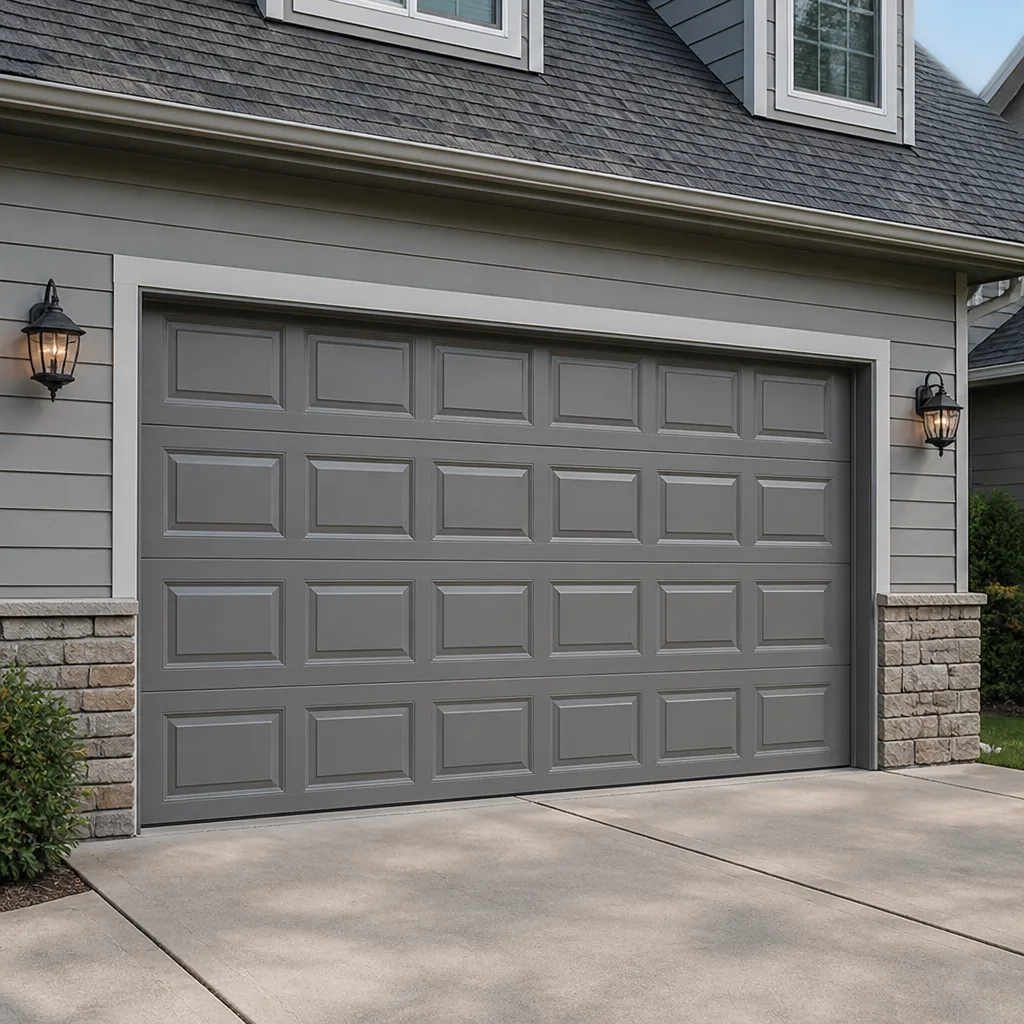 Raised-panel steel
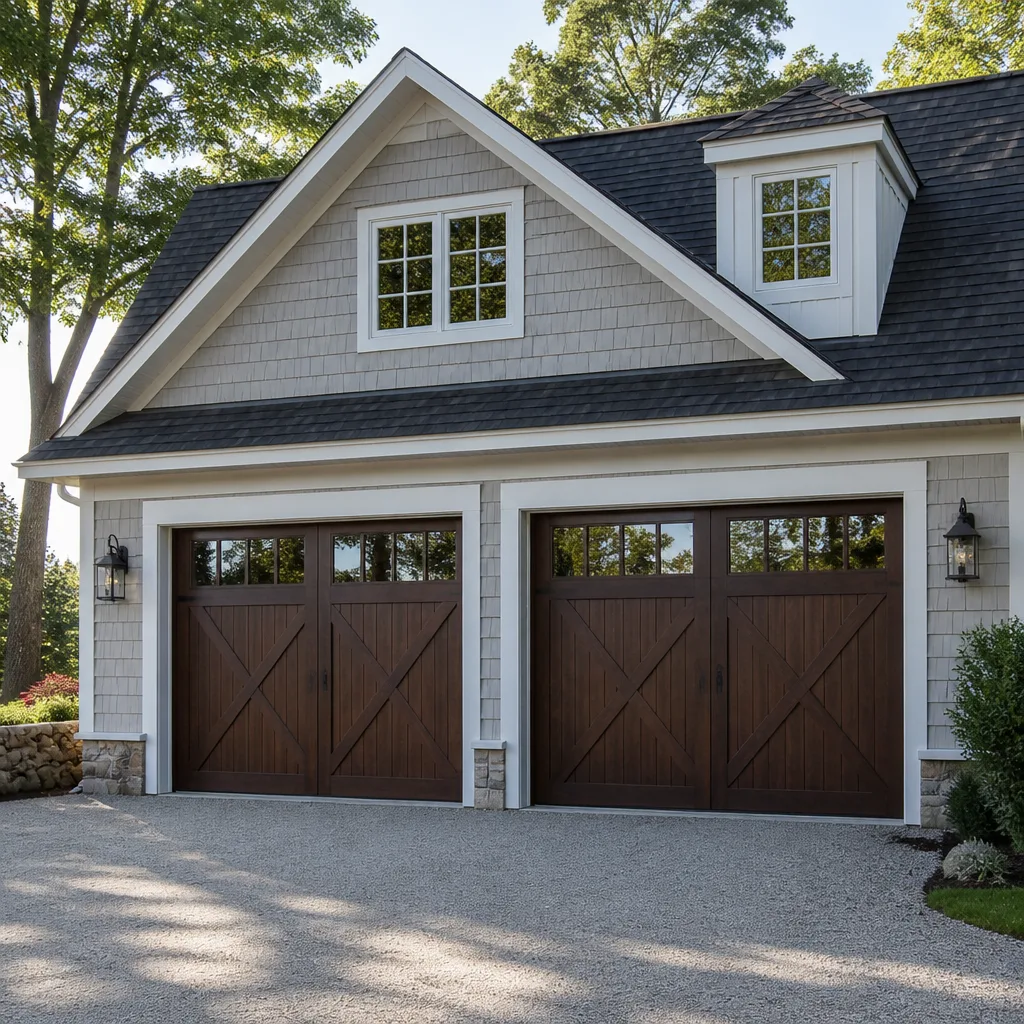 Carriage house
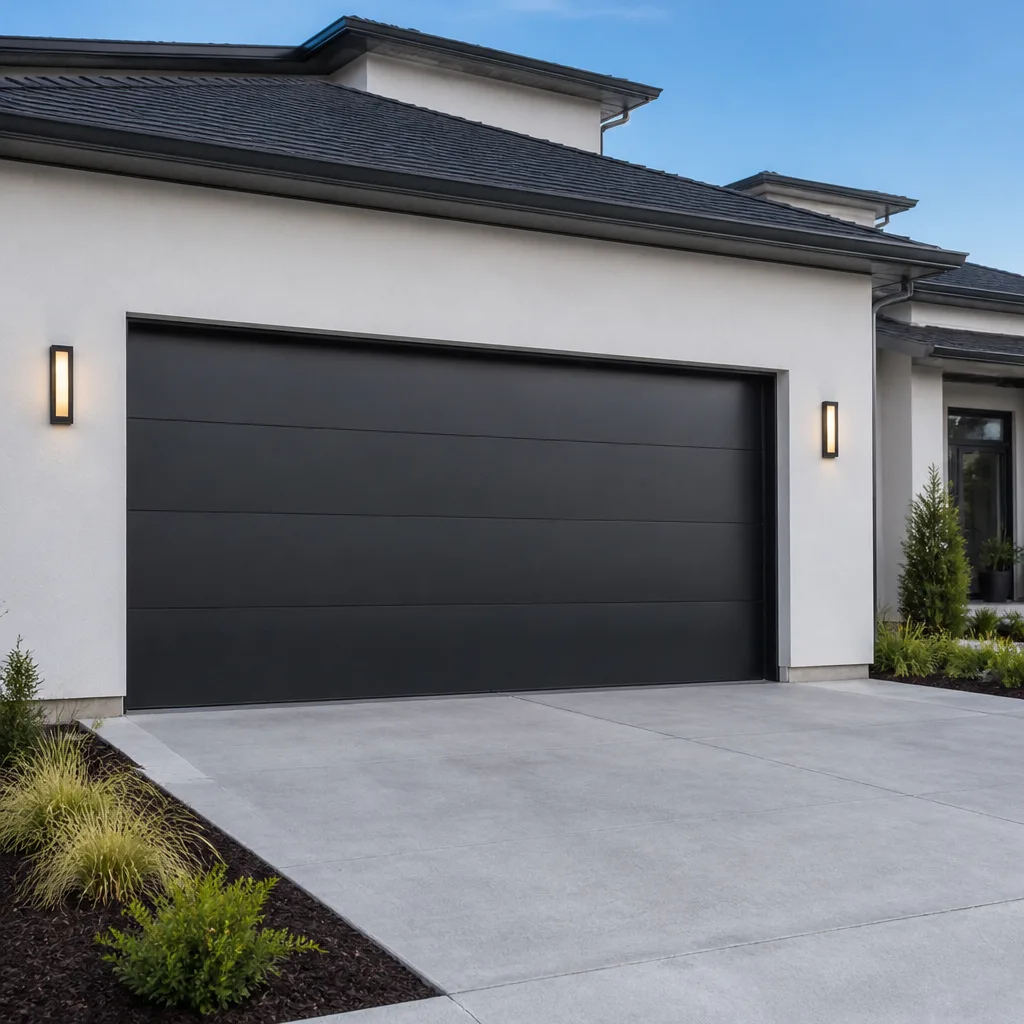 Modern flush
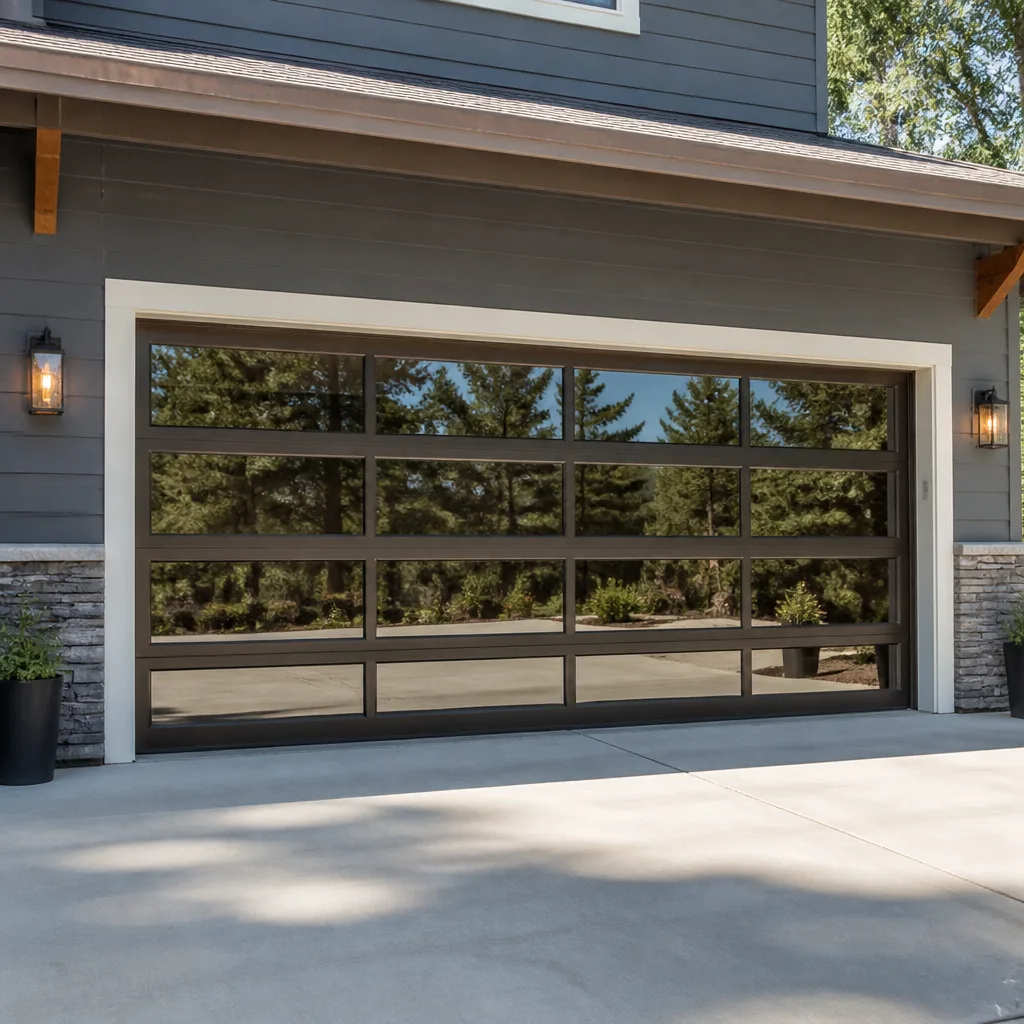 Full-view glass
 LiftMaster openers
 Chamberlain openers
Full 25-point door and opener safety check with every visit - springs, cables, rollers, tracks, and your LiftMaster or Chamberlain opener included
You get a price before we start. It does not change when the pro arrives.
Get your free estimateGarage Door Emergency Preparedness Guide for Nampa Homes
Most Nampa homeowners have a fire extinguisher, a flashlight, and a plan for where to meet if the power goes out. Very few have ever practiced getting their car out of a garage that won’t open. That’s the gap nobody talks about. When the Intermountain West wildfires sent smoke and evacuation orders across the valley in 2020, plenty of people walked out to their cars, pressed the remote, and heard nothing. The opener wasn’t broken. They’d simply never learned to disengage the trolley, and years of sitting idle had frozen the release cord in place. This guide walks you through the parts of garage door emergency planning that actually matter in Nampa: how to release a door by hand, what to check after a tremor, which battery backups are worth owning, and how to run a five-minute drill that makes all of it second nature.
Quick Answer
A garage door emergency plan in Nampa comes down to four things: knowing how to manually release your opener’s trolley, keeping a battery-backup opener sized for real use, checking your tracks and springs after any seismic event, and securing the door against forced entry when the automatic lock stops working. Practice the release once with every adult in the house, and you’ll be able to get a car out or lock the house down in under a minute when it counts.
Styles & brands we work with
- Raised-panel steel
- Carriage house
- Modern flush
- Full-view glass
- LiftMaster openers
- Chamberlain openers
Table of Contents
- How to Release a Garage Door Manually
- T-Rail vs. C-Rail Disengagement: The Differences That Matter
- What Seismic Activity Does to Garage Door Tracks
- Battery Backup Openers: Real Emergency Function vs. Marketing Backup
- How to Secure a Manually Operated Door Against Forced Entry
- The Five-Minute Emergency Drill
- Wildfire Smoke, Power Shutoffs, and Garage Door Seals
- When the Door Isn’t Safe to Use at All
How to Release a Garage Door Manually
Pulling the red release cord detaches the door from the opener so you can lift it by hand. That’s the whole idea, and it works on nearly every residential opener in Nampa. The catch is that the cord has to actually move. Springs, hinges, and cables all carry stored tension, so do this with the door fully closed and the room clear of anyone standing under the door.
Here’s the sequence for the most common setup:
- Close the door all the way and unplug the opener from its outlet. If it’s hardwired, switch off the breaker that feeds the garage.
- Find the release cord, usually red, hanging from the trolley carriage on the rail. It’s often zip-tied or clipped close to the rail.
- Pull the handle firmly toward the door and slightly down. You should feel the carriage disconnect with a click.
- Lift the door by the bottom section with both hands, evenly. A properly balanced door should rise with steady effort and stay up when you let go at about halfway.
- Lower it slowly when you’re done. If it drops fast or feels heavier than you expected, stop and call for garage door repair rather than fighting it.
Reconnecting is the reverse: close the door, pull the cord once more to reset the carriage, then run the opener and let it re-engage on its own. If the cord won’t budge, don’t yank harder. A seized release is one of the most common things we find on older Nampa doors, and it usually means a worn carriage assembly rather than a simple stuck handle.
T-Rail vs. C-Rail Disengagement: The Differences That Matter
The rail shape tells you how the trolley locks into the carriage, and it changes how the release behaves. On a T-rail opener, the trolley rides over a flat-topped rail with an inverted T profile. The release mechanism pulls a latch out of a notch in the carriage, and once it’s free the carriage slides along the rail by hand. The motion is usually smooth, and the carriage stays put where you leave it.
On a C-rail, the rail is shaped like a channel and the trolley runs inside it. Disengagement works the same way in principle, but the carriage tends to slide more freely on the rail and can drift toward the door or the motor head once you let go. Two practical differences follow:
- Reconnect position matters more on a C-rail. Slide the carriage back toward the motor head before you pull the cord to reset, or the opener may not catch on the first cycle.
- T-rail carriages are easier to find by feel in the dark. Many C-rail carriages sit deeper inside the channel, so keep a small flashlight clipped near the opener head if your garage gets dark.
We work on LiftMaster, Chamberlain, Genie, Craftsman, and Raynor openers across Nampa every week, and the rail type varies door to door even within the same neighborhood. Whichever you have, the test is the same: with the door closed, the cord should pull with light resistance and release cleanly. If it takes real force, the carriage is due for service. Working around a door under spring tension is not a job to improvise, so this is one of those checks where a trained technician is worth the call.
What Seismic Activity Does to Garage Door Tracks and How to Assess It
A tremor doesn’t have to be strong to knock a garage door out of alignment. The door panels are a large, flexible surface, and the tracks are anchored into framing that can shift a fraction of an inch. That’s enough to make a door bind, scrape, or come off its rollers partway.
After any noticeable shaking in Nampa, do a visual-only inspection before you touch the opener:
- Stand back and look at the vertical tracks on both sides. They should be plumb and parallel to each other.
- Check the gap between each track and the door edge. It should stay even top to bottom.
- Look for bent track sections, popped roller brackets, or a door that’s visibly off-center in the opening.
- Inspect the springs above the door for gaps, stretched coils, or a coil that looks separated from the rest.
- Check that the door panels sit flush with each other. A panel that’s popped out of its hinge means the door isn’t safe to run.
If anything looks off, don’t press the remote. A misaligned door under spring tension can come down or jump a track when the opener pulls on it. Springs and cables carry dangerous stored force, so leave those to a trained professional. Call us, and we’ll assess whether the door can be repaired in place or needs new track hardware. Our technicians have up to 12 years of experience reading exactly this kind of post-event damage.
Battery Backup Openers: Real Emergency Function vs. Marketing Backup
A battery backup opener only helps if the battery holds enough charge to move the door multiple times. Under garage door safety rules, most openers sold in recent years have to include battery backup that can run the door at least a couple of full open-close cycles during a power outage. That’s the standard. The question is whether the unit in your garage actually delivers it.
In practice, we see two categories:
- Real backup. A dedicated battery pack sized for the opener, with a status light or beep that tells you when it’s weak. These will get you in and out several times over a multi-day outage.
- Marketing-grade backup. A small battery that technically passes the minimum but is years old and never tested. It runs the door once or twice and quits, usually right when you need it most.
The fix is simple. Once a year, unplug the opener at the wall and run the door through open, close, open, close. If it slows down or stops partway, the battery is due for replacement. Do this test in daylight, not during a storm. If you want to upgrade rather than replace, tell us how you actually use the garage and we’ll point you to the right unit rather than the biggest one. Chamberlain, Genie, LiftMaster, and Craftsman all offer backup-capable models, and we carry the parts to service what you’ve already got or swap in something that fits how your household works.
How to Secure a Manually Operated Door Against Forced Entry
Most automatic garage door openers have a lock or latch that engages when the door is closed. Disengage the trolley and that lock goes with it. The door is now just a heavy panel sitting in tracks, and the tracks are a lot easier to lift than you’d think from the outside.
Here’s the practical answer: use a manual locking bar. Two options both work.
- Inside slide locks. Bolt-through slide bolts on the inside of each vertical track, set to grab the door’s second section. You engage them from inside the garage. They’re simple, and they won’t interfere with the opener when the trolley is engaged.
- A locking bar across the tracks. A steel bar dropped into the tracks on both sides, essentially a pair of padlocks with one crossbar. Fast to remove from inside, and it stops the door from lifting.
Two things to remember. First, never lock a door that’s connected to an opener. If you engage a manual lock and later reconnect the trolley, the opener will fight the lock and damage the door. Second, disconnect and re-engage the trolley only when the lock is off. For a door used as the main entry point of a Nampa home, secure it the same way you’d secure a sliding door: inside, on both sides, from a spot the person outside can’t reach. If you’ve got a Clopay or Amarr panel door, mention the model when you call and we can tell you what locking hardware fits without creating a fit issue.
The Five-Minute Emergency Drill Every Nampa Household Should Run
The drill is the whole point. Walking an adult through manual release for the first time in the middle of an evacuation isn’t a plan. Here’s the version we recommend you run until every adult in the house has done it once:
- Two minutes: walk the garage. Everyone puts a hand on the release cord and confirms where it is. No pulling yet.
- One minute: disengage. Unplug the opener, pull the release, and lift the door halfway. Everyone does it themselves.
- One minute: reconnect. Close the door, reset the carriage, plug the opener back in, and confirm it engages.
- Thirty seconds: secure the house. Show each adult where the manual slide locks or bar are stored and how they engage.
- Thirty seconds: battery check. Unplug, run one open-close on battery, plug back in, and note the date on the calendar.
Run it in daylight and run it together. Kids old enough to be home alone should see it done once so they know which cord to reach for. If the release is stiff, or the door won’t hold halfway, the drill just found you a problem before the emergency did. That’s a good use of five minutes for any household in Nampa.
Wildfire Smoke, Power Shutoffs, and Garage Door Seals
Smoke season in the Treasure Valley is a real annual stressor, and the garage is one of the leakiest rooms in the house. Weatherstripping around the door, the bottom seal, and the gaps at the corners all pass smoke when they’re worn. It’s a small detail in a big-picture evacuation plan, but it matters when the air quality goes bad and you’re spending days inside.
Run a hand along the bottom seal with the door closed. If you can feel air moving under it, the seal is due for replacement. Same check at the vertical weatherstrip on the sides. A well-sealed door cuts drafts, smoke, and dust. When a public safety power shutoff hits and your opener goes dark, the same steps from the manual release section apply. If you want a real inspection of your seals, tracks, springs, and opener before the next smoke event or windstorm, that’s exactly the kind of check a specialist should be doing. Get in touch with Nampa Garage Door Service and we’ll look the whole door over, not just the part you noticed.
When the Door Isn’t Safe to Use at All
Some situations call for stopping entirely rather than troubleshooting. A door with a broken spring should never be operated, even by hand: the counterbalance is gone and the door can drop fast. A door off its tracks on one side shouldn’t be pushed back into place by anyone but a trained technician. Cables with visible fraying or slack are a real hazard, because the cable is under tension and can snap. If the door goes up crooked, stops partway, or makes a loud bang when it moves, stop using it and leave it closed if it will stay.
The bottom line for every one of these: don’t put your hands between the door panels or into the track to check what’s wrong. Springs and cables are designed to hold enormous force, and they don’t warn you before they let go. Call for garage door opener repair if the opener itself is the problem, or ask for a full door evaluation if it’s the door. Same for anybody in your household who isn’t trained on it.
Common Mistakes to Avoid
- Never testing the release cord. A cord that hasn’t been pulled in years can seize in its bracket. Test it once a year so a working handle stays a working handle.
- Pulling the emergency cord with the door open. If the trolley lets go while the door is up, the door can crash down. Always release with the door fully closed.
- Trusting a battery backup you’ve never run. A backup that’s never been tested is a placeholder. Run the open-close test once a year, in daylight.
- Leaving the garage door as a proxy for a security system. An automatic lock releases when the trolley disengages. Add a manual inside lock before you rely on the door for security during a power outage.
- Reconnecting the opener with a manual lock engaged. The opener will try to lift against the lock and damage the door, the carriage, or both.
- Operating a door after a tremor without checking the tracks. A door that’s off the track can bind and drop. Look before you press the remote.
- Assuming a slow-moving door is normal. Sticking, grinding, or hesitation are the symptoms most Nampa door failures show before they become emergency calls.
See the difference
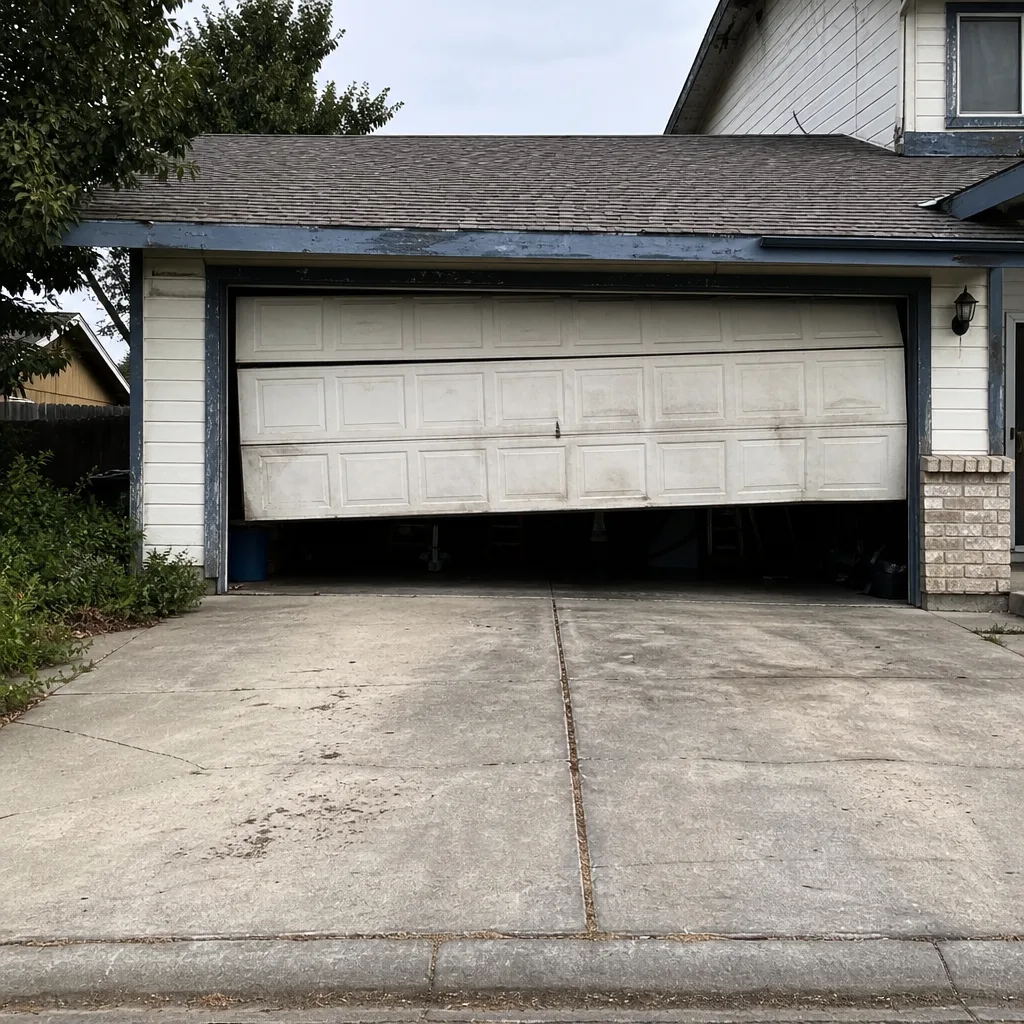 Before
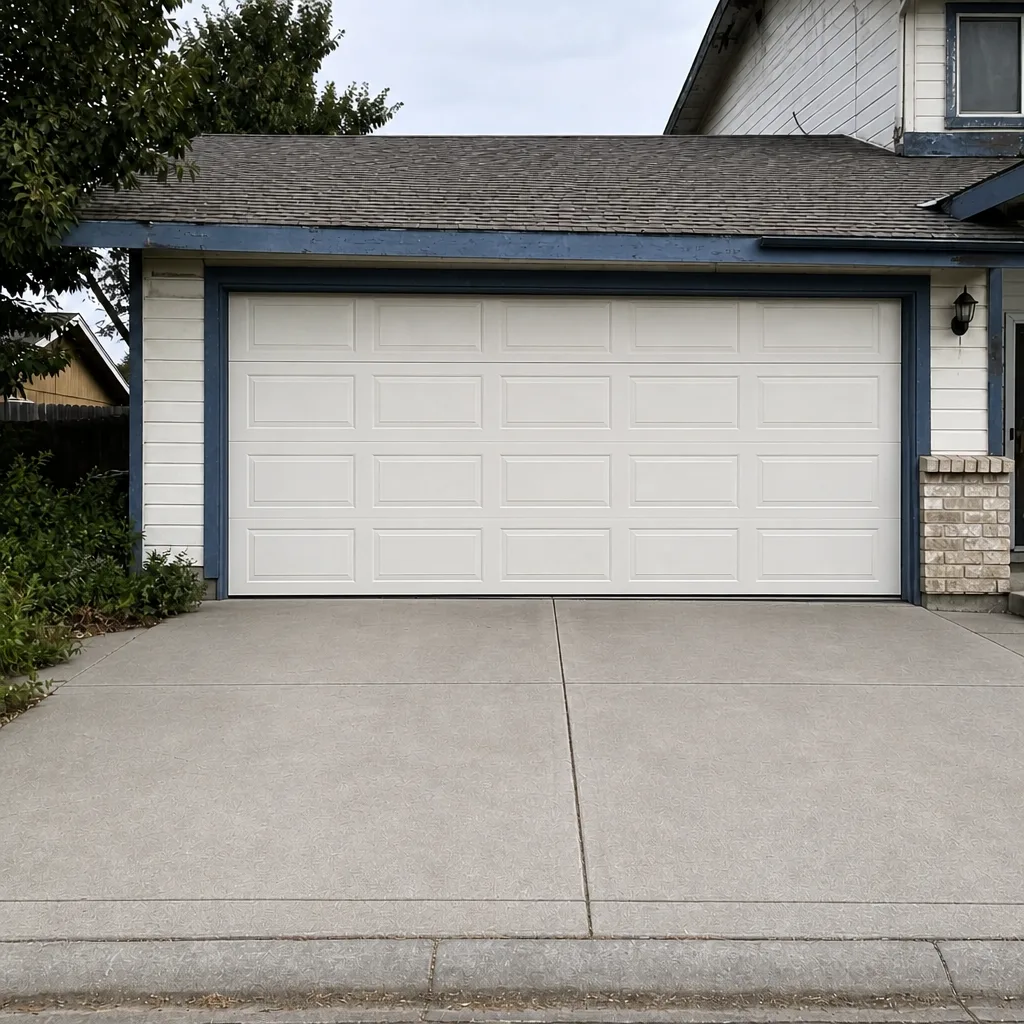 After
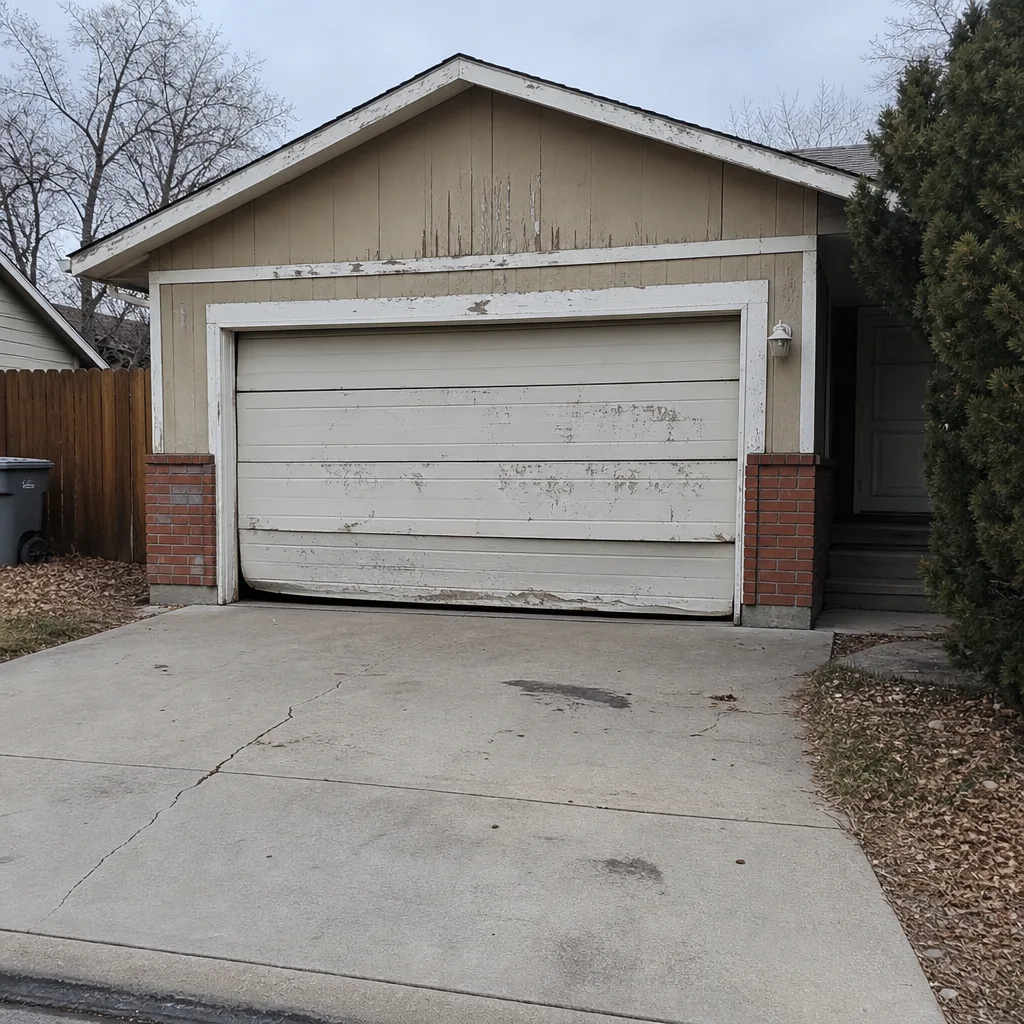 Before
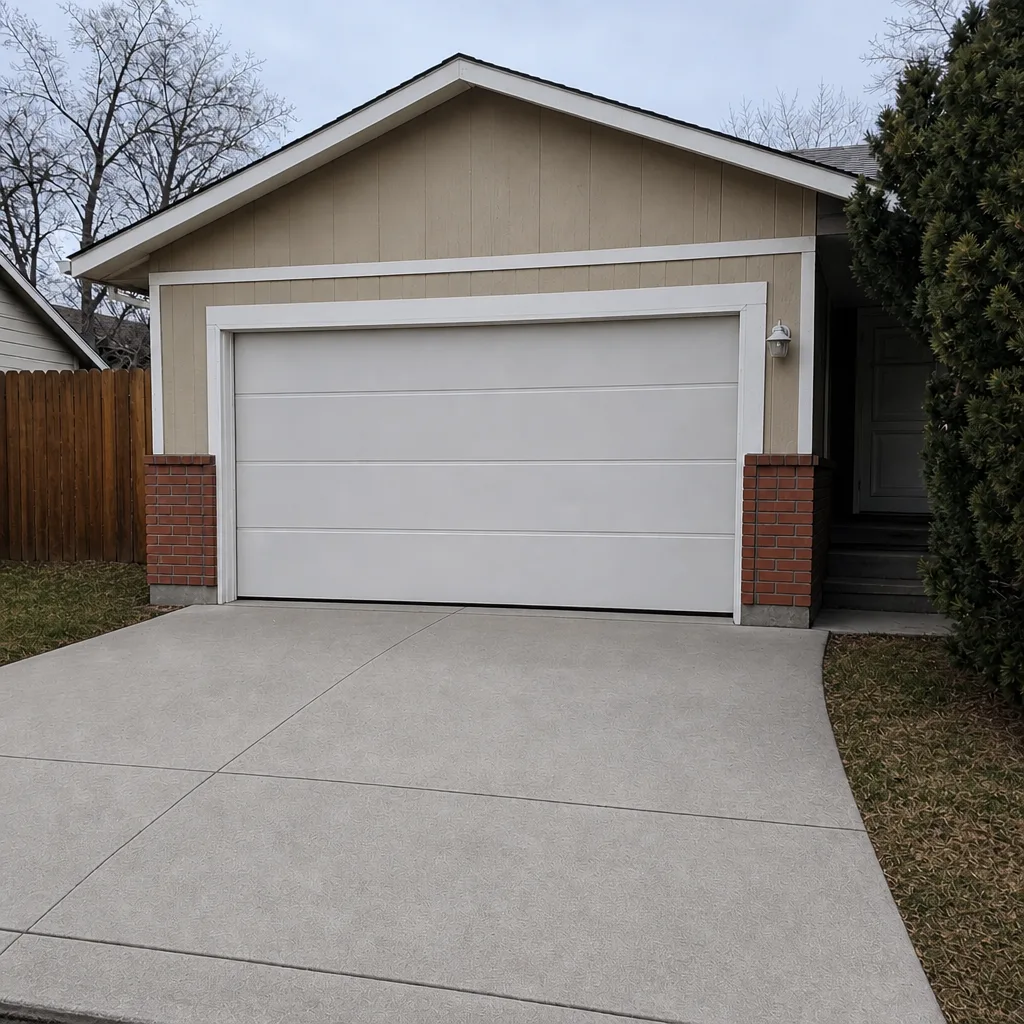 After
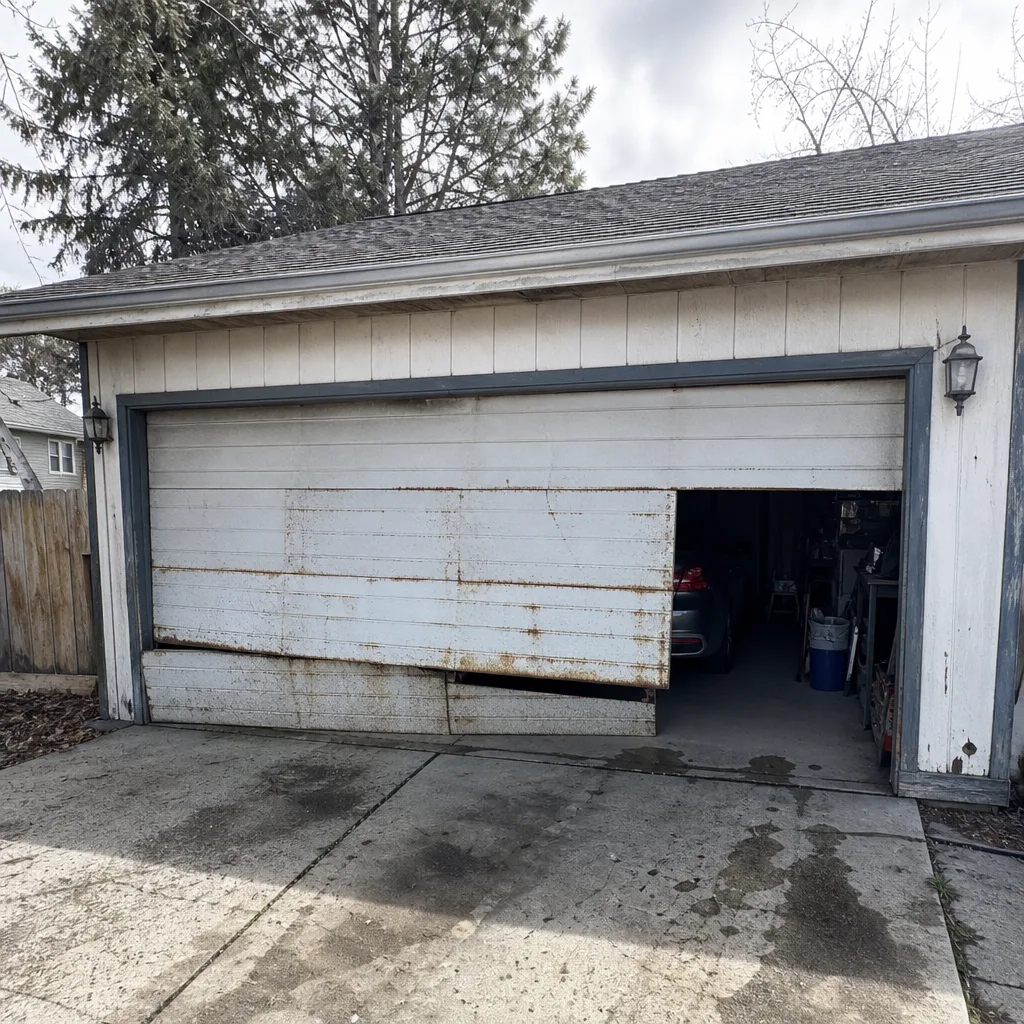 Before
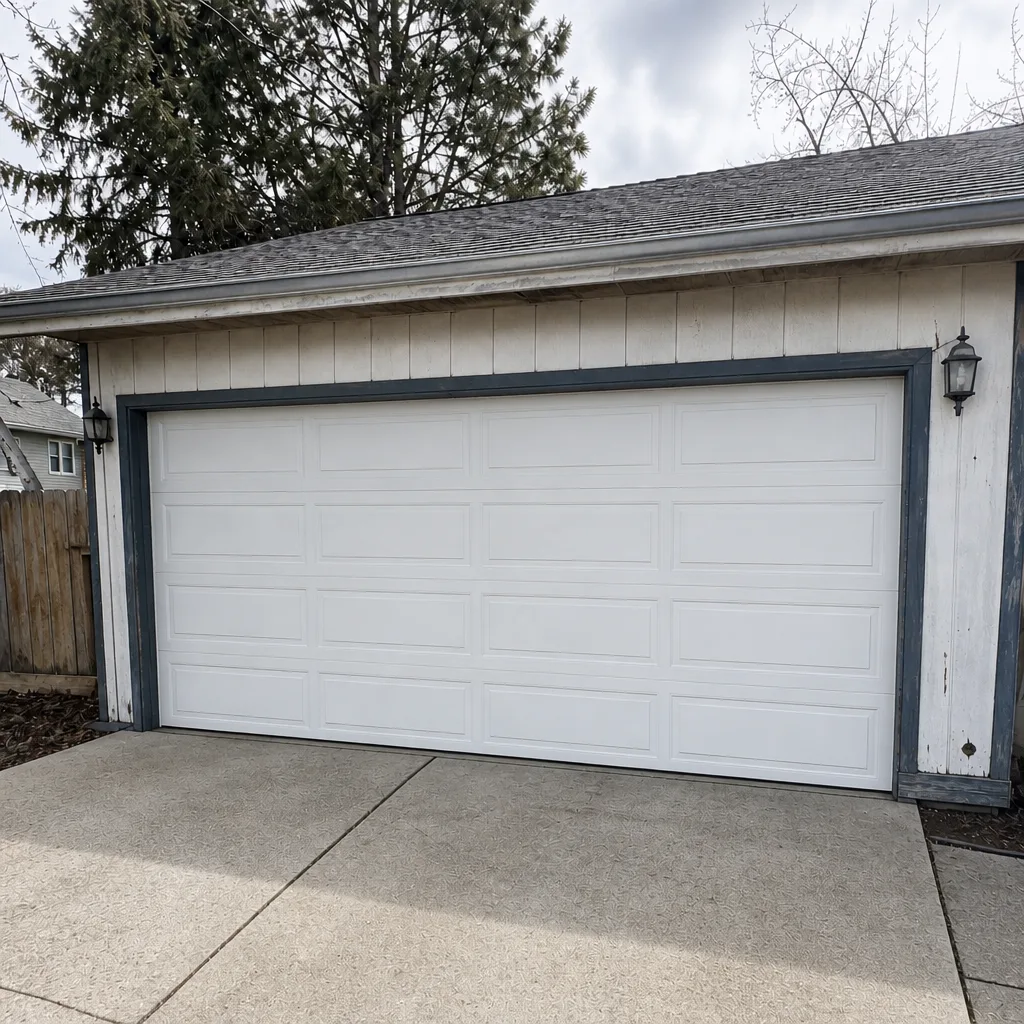 After
When to Call a Professional
Call a specialist when the release cord won’t pull, when the door won’t hold halfway up, when you see a bent track or a spring with a gap in it, or when the opener runs but the door doesn’t move. Also call if the door has been in one position for a long stretch and you’re not sure it’s safe to move. Nampa Garage Door Service offers free estimates in Nampa, and we work on Nampa homes across every brand we service. Call (866) 942-7318. We answer 24/7. Fast dispatch from 7am to 7pm, Sunday through Friday. Our technicians have up to 12 years of experience, and the price is quoted and agreed before any work starts. If you want to compare your options before you commit, we’ll walk you through the repair versus replacement decision without pressure.
Frequently Asked Questions
Yes, if the door is properly balanced and you’ve disengaged the trolley with the release cord. Close the door fully, unplug the opener, pull the red cord, then lift the door by the bottom section with both hands. If the door feels very heavy or drops when you let go at halfway, it isn’t balanced and shouldn’t be operated by hand.
Unplug the opener and run the door through a full open-close-open-close cycle. A real backup will complete all of it at normal speed. If the door slows, stops, or the opener beeps a low-battery warning, the battery is due for replacement. Run this test once a year in daylight rather than discovering it during a real outage.
Check that both vertical tracks are plumb, that the gap between each track and the door edge is even, and that no panels have popped out of their hinges. Look at the springs for gaps or separation. If anything looks off, don’t run the opener. A door that’s off the track can bind or drop when it moves.
Only after you’ve checked the release and confirmed the battery backup works. The door itself is usually fine after a smoke event, but the release cord and opener backup are the two things that stop working from disuse. Practice the manual release once before you need it.
No. The written estimate sets the price. We quote the job, you agree, then work starts. If something unexpected shows up once the door is opened, we stop and re-quote before touching anything, so you’re never surprised by a higher invoice.
Yes. Our technicians are experienced with every brand we service, including LiftMaster, Chamberlain, Genie, Clopay, Amarr, Wayne Dalton, Craftsman, and Raynor, and they’re trained specifically on garage doors rather than general repairs. Call (866) 942-7318 for an exact quote. Estimates are free.
The Bottom Line
A garage door is a critical home system, and the best time to learn it is before you need it. In Nampa, that means knowing how to release your opener’s trolley, running a five-minute drill with every adult in the house, testing the battery backup once a year, and checking the tracks after any tremor. Those four habits cover most of what a real emergency asks of the door. When something looks wrong, or when the release won’t move, call a specialist rather than forcing it. Call (866) 942-7318 for a free estimate. We answer 24/7, and fast dispatch runs from 7am to 7pm, Sunday through Friday. Every job is quoted and agreed before work starts.
Written by the team at Nampa Garage Door Service.