
Last updated November 15, 2026
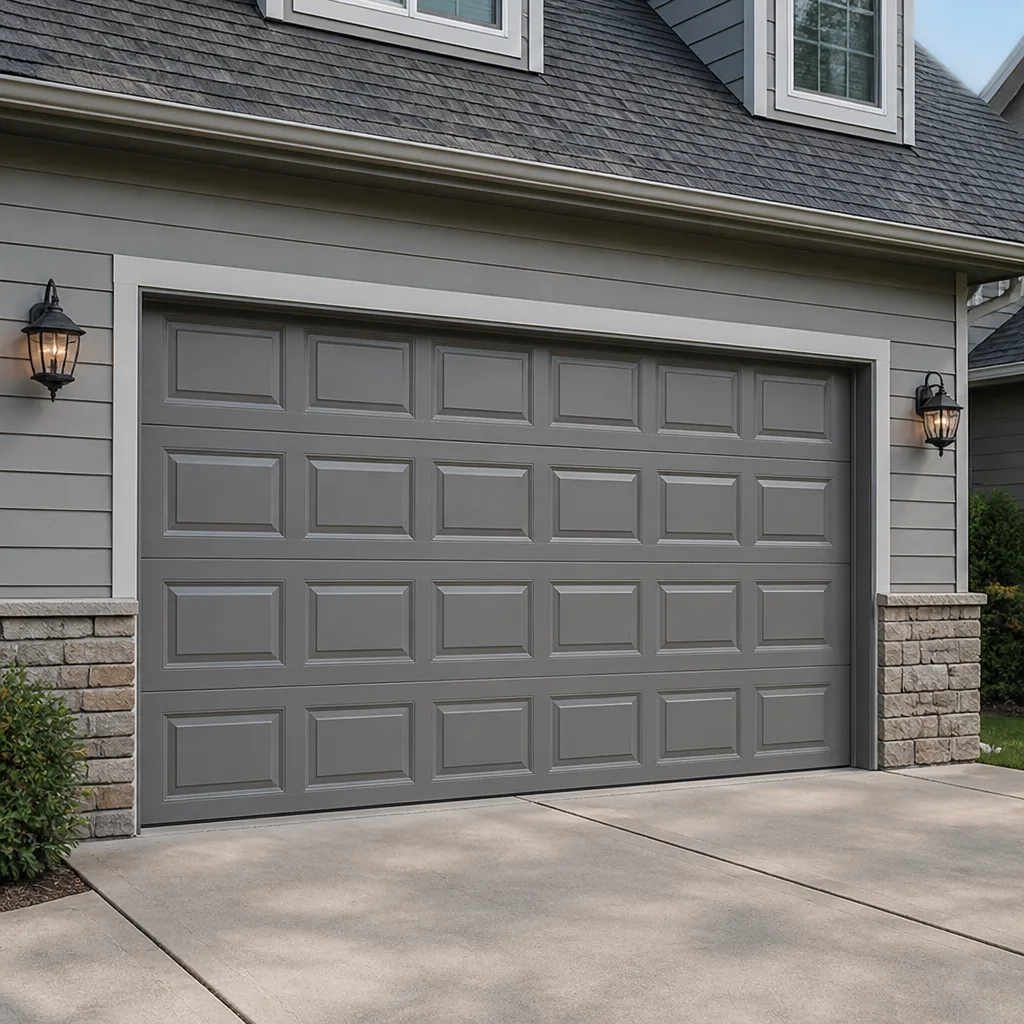 Raised-panel steel
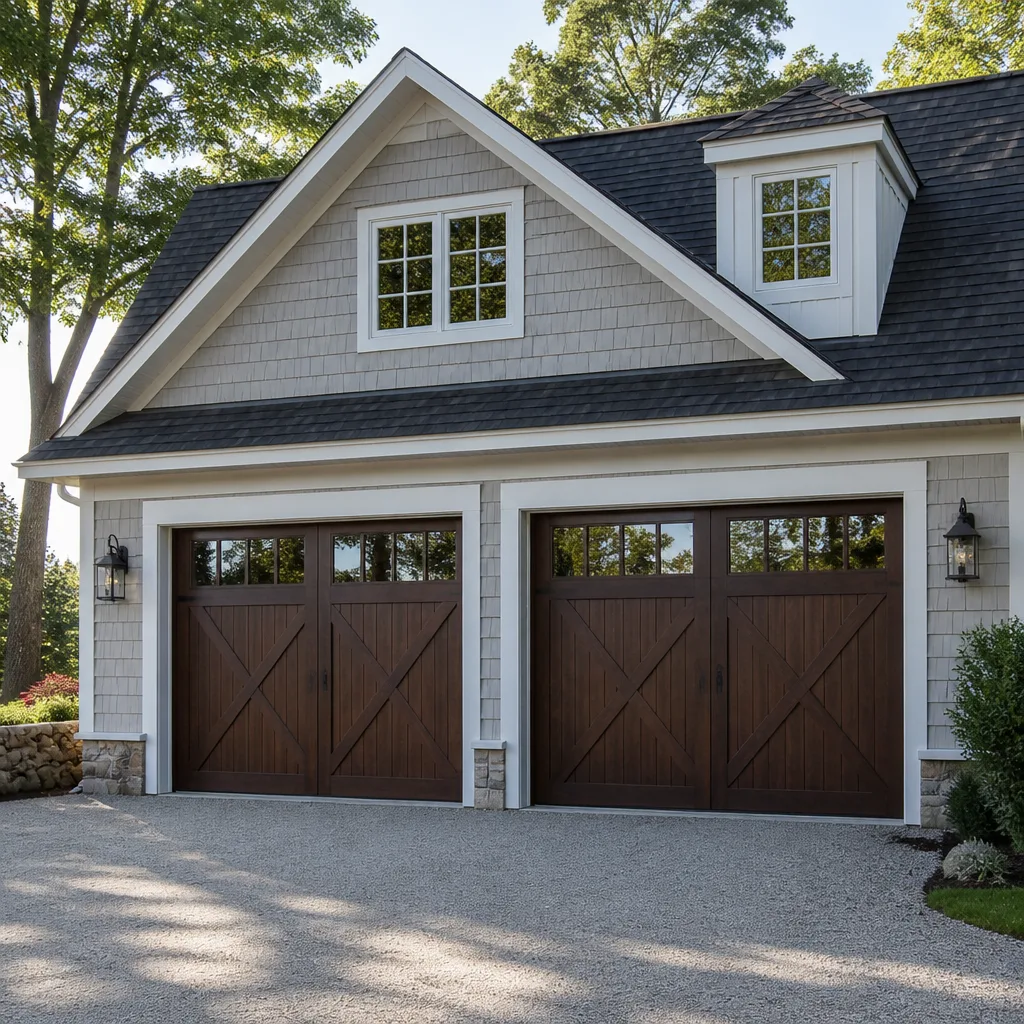 Carriage house
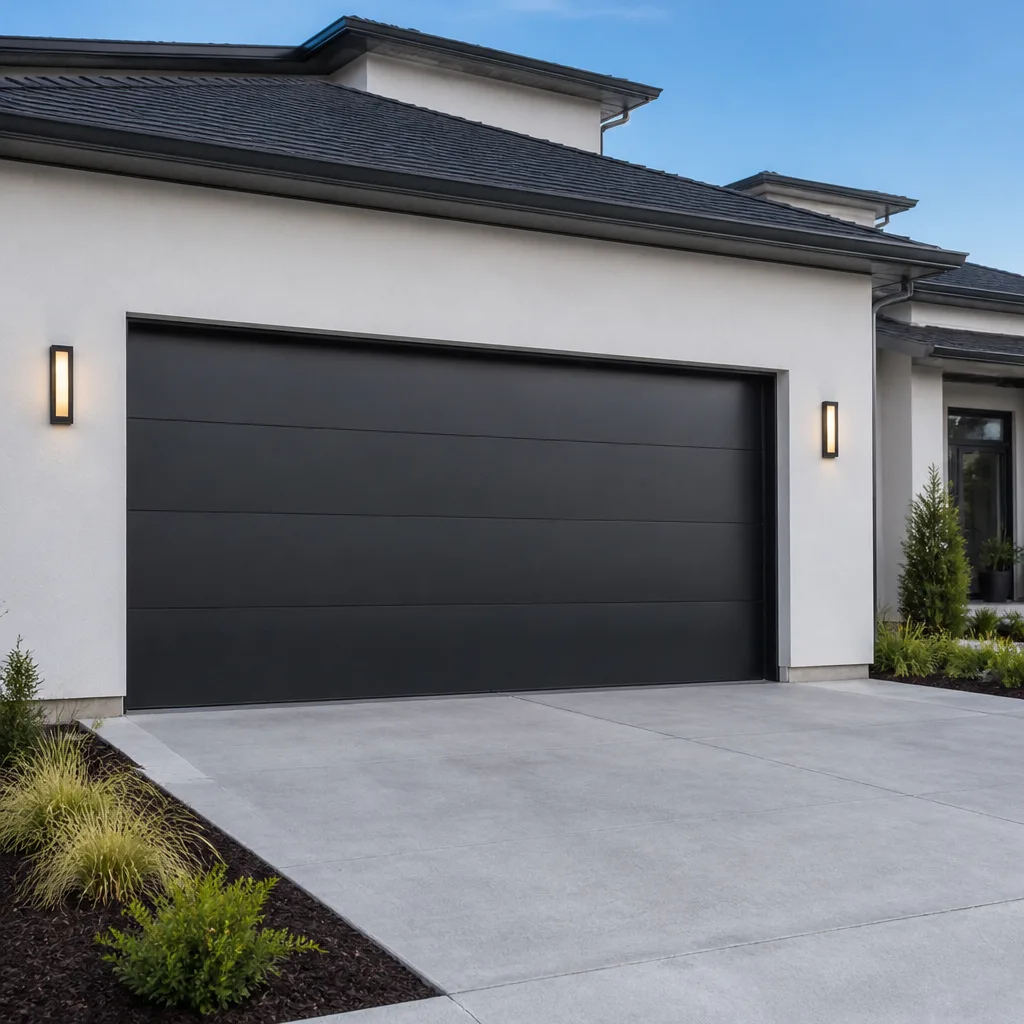 Modern flush
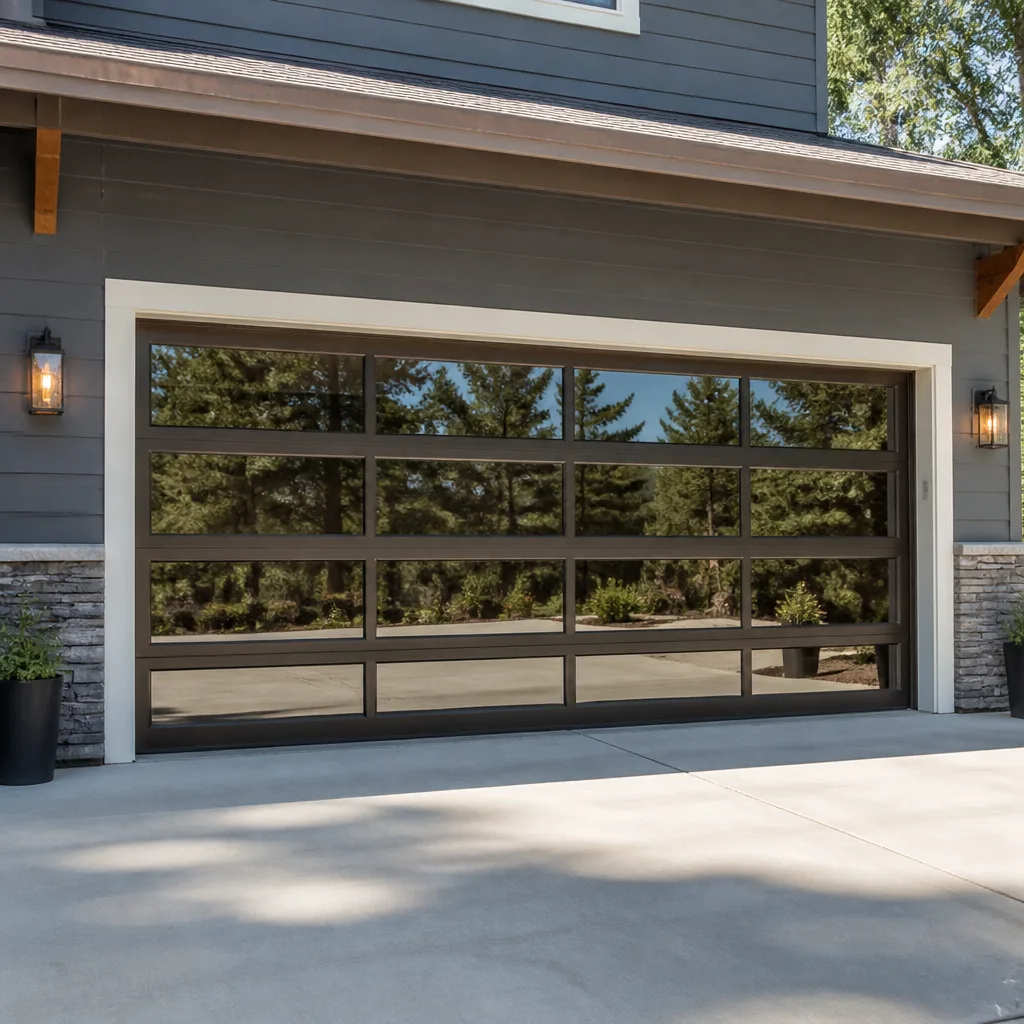 Full-view glass
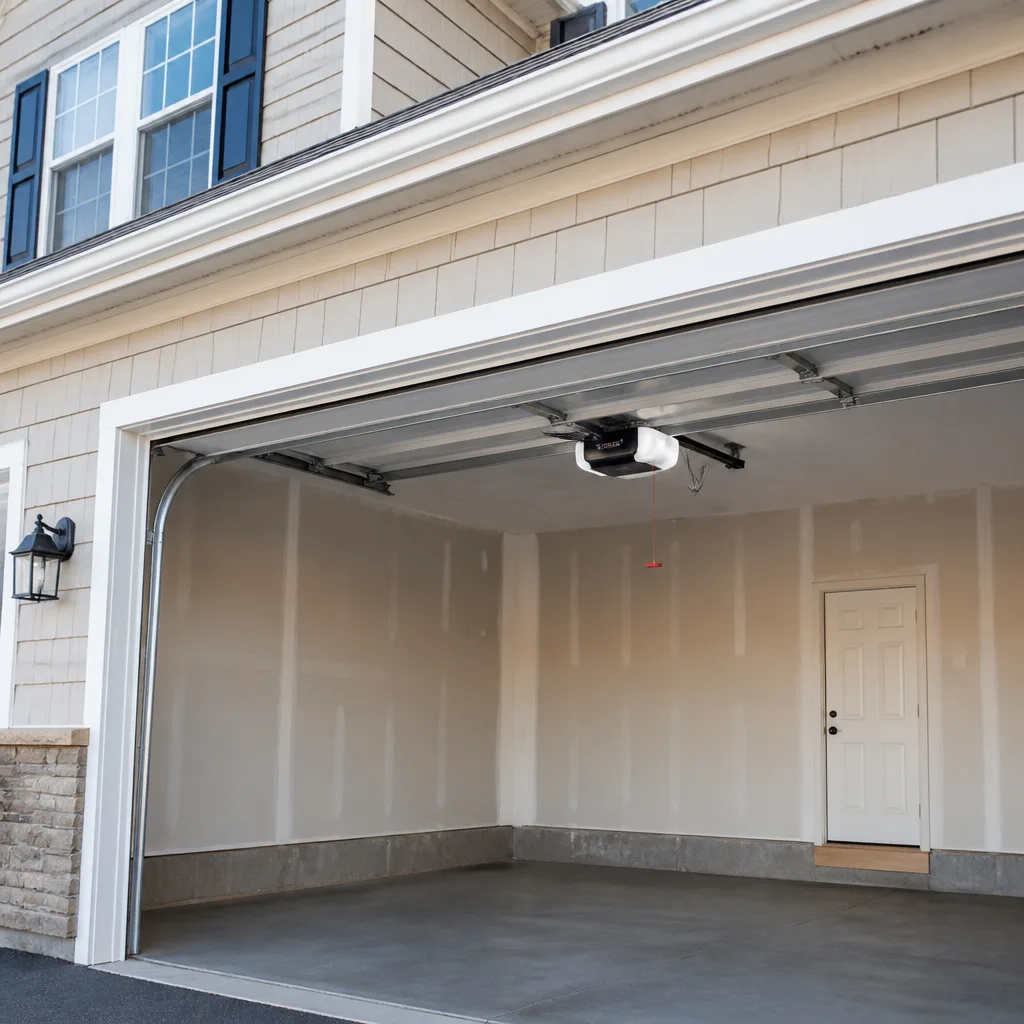 LiftMaster openers
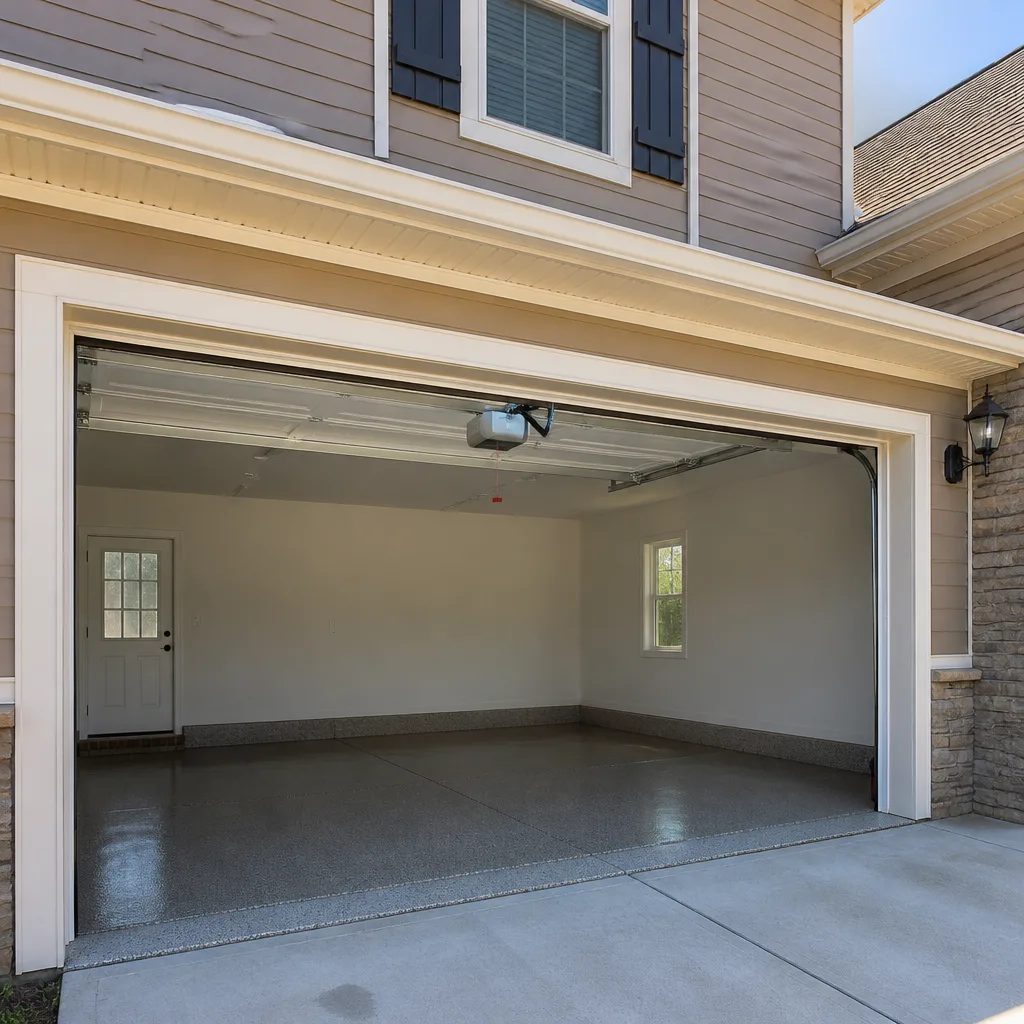 Chamberlain openers
Full 25-point door and opener safety check with every visit - springs, cables, rollers, tracks, and your LiftMaster or Chamberlain opener included
You get a price before we start. It does not change when the pro arrives.
Get your free estimateGarage Door Repair Maintenance Checklist for Nampa Homeowners
The number-one call we get after a Nampa winter isn’t a broken spring. It’s a door that’s binding because nobody re-tensioned the cables after repeated freeze-thaw cycles heaved the concrete and shifted the track alignment by a quarter inch. That slow misalignment grinds the rollers, overloads the opener, and eventually snaps something that costs real money to fix. A generic checklist tells you to “lubricate moving parts,” which is about as useful as telling someone to “check the car.” This guide is built around the specific failure points we see most on Nampa service calls, ranked by how often they cause complete door failures. You’ll learn which five components do the most damage, what lubricant goes where (and what never belongs on a cable), how to inspect a cable without touching it, and what to check monthly versus what to leave to a technician.
Quick Answer
A garage door maintenance checklist for Nampa should focus on five components: springs, cables, rollers, track alignment, and the opener’s safety reverse. Check the door balance and listen for grinding monthly, inspect cables and springs visually each season, and have a technician re-tension cables and re-level track annually, especially after freeze-thaw cycles shift your concrete. Lubricate rollers, hinges, and the torsion bar with a garage-door-specific lubricant, but never put grease on nylon-coated cables.
Styles & brands we work with
- Raised-panel steel
- Carriage house
- Modern flush
- Full-view glass
- LiftMaster openers
- Chamberlain openers
Table of Contents
- The Five Components Behind Most Nampa Repair Calls
- How to Do a Cable Tension Check Without Touching the Hardware
- Lubrication by Component: Why the Wrong Grease Ruins Cables
- Track Alignment and Nampa’s Clay-Heavy Soils
- Opener Checks: Safety Reverse, Sensors, and Smart Openers
- Monthly, Seasonal, and Annual: A Realistic Service Interval Table
- What Different Door Brands Need From You
- Preparing Your Door for a Nampa Winter
The Five Components Behind Most Nampa Repair Calls
In our experience, roughly 80% of the repair calls we handle in Nampa trace back to the same five components. Knowing what each one does and how it fails will help you spot trouble before it becomes a full breakdown.
- Torsion springs. These are the coiled springs above your door that counterbalance its weight. They fail from metal fatigue, and the constant freeze-thaw cycling in a Nampa winter speeds that up. A snapped spring means the door won’t lift, or drops dangerously. You can often spot the warning signs: a visible gap in the coil, a door that feels unusually heavy, or a loud bang from the garage.
- Cables. The cables run from the bottom corners up to the spring system and keep the door level. They fray, kink, or slip off their drums when a track shifts. A frayed cable is a genuine safety hazard and should never be ignored.
- Rollers. These are the wheels that ride in the track. Steel rollers wear flat spots and get noisy; nylon rollers crack with age. Binding rollers are one of the most common causes of a door that shudders or strains.
- Track alignment. The vertical and horizontal tracks guide the door. When they bend or shift, the door binds, the rollers wear unevenly, and the opener works twice as hard. This is the component most affected by Nampa’s soil movement.
- The opener. Motors, gears, sensors, and remotes all wear out. A strained opener is often the symptom of a door problem, not the cause. If your opener is struggling, it’s usually telling you the door is out of balance.
Notice the pattern: four of the five are mechanical parts of the door itself, not the electronics. That’s the diagnostic focus that comes with working on garage doors all day, every day. When a generalist looks at your door, they often start with the opener. We start with the door and work up. For a faster diagnosis on any of these, our garage door repair service covers the full range of Nampa homes.
How to Do a Cable Tension Check Without Touching the Hardware
This is the section where we need to be direct about safety. Garage door cables are under extreme tension. They can cause serious injury if handled incorrectly, and a snapped cable whips with enough force to break bones. So the check below is a visual inspection only. You look. You do not touch, adjust, or re-tension cables yourself. That work belongs to a trained technician every time.
What to look for from a safe distance, with the door fully closed and the power to the opener off:
- Fraying or broken strands. Look along each cable for any stray wires sticking out. Fraying means the cable is near failure.
- Kinks or bends. A healthy cable runs smooth and straight. A kink or a sharp bend signals it’s been overloaded or has slipped.
- Uneven drum winding. The cable should wind evenly around its drum at the top corners. A cable crossed over itself or loose on the drum is a problem.
- Slack on one side. Stand back and compare the two sides. One cable noticeably looser than the other means the door is no longer balanced.
- A gap at the bottom. If the door doesn’t sit level on the floor, one cable has likely lost tension.
If you see any of these, stop using the door. A cable issue is not something to monitor and hope for the best. Our technicians have up to 12 years of experience, and every one of them treats a cable as a two-handed, locked-out job. When the time comes to fix it, our Nampa Garage Door Service team handles the repair and can advise you on whether it’s the cable alone or a symptom of a larger track problem.
Lubrication by Component: Why the Wrong Grease Ruins Cables
Here’s the mistake that does the most hidden damage: people grab a tub of white grease or a can of WD-40 and spray the whole mechanism. That approach causes problems. Each component takes a different product, and putting the wrong one on a cable can actually damage it.
- Rollers: Use a garage-door-specific lubricant, not heavy grease. A few drops on the roller’s bearing surface and inside the track are enough. Too much attracts dust and grit, which grinds the rollers.
- Hinges and pivot points: A light spray of door-track lubricant or a small dab of white lithium grease at each hinge. Keep it off the door panels.
- Torsion spring and bar: A thin coat of garage-door lubricant on the coil and the torsion bar. This quiets the spring noise that comes with cold weather.
- Cables (nylon-coated): This is the critical one. Never put grease, oil, or WD-40 on a nylon-coated cable. The grease degrades the nylon coating, and once that coating fails, the steel inside rusts and frays. If a cable needs attention, that’s a professional inspection, not a lubrication task.
- Door panels: Keep all lubricant off the painted panels. It will stain, and it collects dirt that dulls the finish. Clean panels with mild soap and water only.
The rule of thumb we share with homeowners in Nampa: lubricate the moving metal parts, protect the coated parts, and keep everything off the paint. A door that’s been over-lubricated with the wrong product often runs louder, not quieter. For a fresh start on a door that’s been mis-lubricated, our repair and tune-up service can recondition the rollers and hinges.
Track Alignment and Nampa’s Clay-Heavy Soils
Nampa sits on clay-heavy ground, and clay moves. It swells when wet and shrinks when dry. Through a Nampa winter, the repeated freeze-thaw cycles heave the concrete slab your garage sits on, and that movement is what most people miss. Your tracks are bolted to your doorframe, which is tied to that slab. When the concrete shifts even a fraction of an inch, the track alignment shifts with it.
That quarter-inch misalignment is enough to make the whole door bind. It’s the most common spring-adjacent problem we find in Nampa homes, and it’s entirely preventable with an annual check.
How to check track alignment yourself, safely:
- Look for bends. Stand inside the garage and sight down each vertical track. It should look perfectly straight. Any kink or outward bow is a red flag.
- Check the gap to the door. The track should be evenly spaced from the door edge along its length. A gap that’s wider at the bottom than the top means the track has moved.
- Test the door’s travel with the opener disconnected. Pull the release cord to disengage the opener, then lift the door by hand. It should move smoothly. If it binds or feels stiff in one spot, the track is likely misaligned.
- Check the floor gap. Close the door and look across the bottom. A gap on one side points to a track or cable issue.
- Don’t try to bend the track back yourself. Track is thin gauge steel that bends the wrong way easily. A trained technician can re-align it or replace the affected section correctly.
Because Nampa’s ground moves with the seasons, we recommend checking alignment after the first winter thaw and again before the cold returns. For deeper help with a door that’s drifted out of alignment, a garage door repair visit will get the door running true again.
Opener Checks: Safety Reverse, Sensors, and Smart Openers
Your opener is the most-tested component on the whole system, and it’s also where a door problem shows up first. A strained door overloads the motor, which is why people call about a “broken opener” when the real issue is binding. Before you replace any opener, rule out the door itself.
Two checks do the most work:
- The safety reverse test. This is the most important opener safety feature. With the door open, place a roll of paper towels or a piece of lumber under the door and close it with the button. The door should reverse immediately on contact. If it continues to press down, stop using it and call for service. This is a genuine safety issue, not a convenience one.
- The photo-eye sensor test. The little sensors near the floor on each side of the door should be aligned and clean. Wave an object between them as the door closes; the door should reverse. If the door won’t close at all, a dirty or misaligned sensor is the usual cause.
Smart and Wi-Fi-enabled openers need the same checks plus a firmware and app connection review each season. Legacy openers from brands like garage door opener repair service calls often just need new gears, a fresh battery in the remotes, or a sensor reset. Whether you have a LiftMaster, a Chamberlain, a Genie, or a Craftsmart-style opener, the testing routine is the same. Our team works with all of them.
Monthly, Seasonal, and Annual: A Realistic Service Interval Table
Most checklists either overload you with tasks or tell you almost nothing. Here’s a realistic schedule divided into what you can do, what you should watch, and what needs a technician.
- Monthly
- Run the door up and down; listen for new noises.
- Test the safety reverse and photo-eye sensors.
- Look for debris, leaves, or ice at the door’s base.
- Seasonally (spring and fall)
- Visually inspect cables for fraying or slack.
- Check the track for bends or misalignment.
- Lubricate rollers, hinges, and the torsion bar with the correct product.
- Wipe down and inspect panel surfaces.
- Annually (technician)
- Re-tension cables and re-level track after soil movement.
- Inspect springs for fatigue and cycle wear.
- Check opener motor, gears, and safety settings.
- Full balance test and door adjustment.
- Immediately (call a technician)
- A snapped spring or a door that won’t lift.
- A visibly frayed or loose cable.
- A door that’s come off its tracks.
- Any grinding or scraping sound from the opener.
The annual technician visit is the one people skip, and it’s the one that saves the most money. A technician catches the quarter-inch track shift before it chews through a set of rollers. If you’re in Nampa and it’s been more than a year since anyone looked at the door, book a check before the next winter.
What Different Door Brands Need From You
Different manufacturers build doors with slightly different hardware, and knowing yours helps you maintain it correctly. Most homes in Nampa have one of a handful of common brands, and each has its own quirks.
- Amarr doors are common on newer Nampa builds because of their insulation options. Their rollers and hinges still need the same seasonal lubrication, and their panel finishes benefit from a gentle wash.
- Wayne Dalton doors sometimes use proprietary track brackets. When track alignment drifts, the brackets need a proper check rather than a generic bend-back.
- Craftsman openers are everywhere in Nampa garages. Their gears and logic boards wear over time, and their remotes occasionally need re-pairing after a power cut.
- Raynor doors are a solid choice for heavy use, but their heavier panels put more strain on cables and springs. Those parts need a closer annual look.
We work on eight major brands: LiftMaster, Chamberlain, Genie, Clopay, Amarr, Wayne Dalton, Craftsman, and Raynor. Because we service all of them, our recommendations are based on what fits your situation, not on a single-brand dealership incentive. If you’re unsure what brand your door or opener is, the nameplate on the opener motor or the door’s bottom panel usually tells you.
Preparing Your Door for a Nampa Winter
Nampa winters bring repeated freeze-thaw cycles, and that’s the enemy of a smooth-running garage door. The shifting ground affects your tracks, the cold stiffens lubricant, and ice can build up at the door’s base. A little preparation in fall saves a lot of spring repair work.
Work through these before the cold sets in:
- Lubricate with the right product. Cold makes old lubricant thick. Clean the rollers and hinges and apply a suitable door lubricant so nothing seizes.
- Test the balance. Disconnect the opener and lift the door by hand. It should feel manageable and stay put halfway up. If it’s heavy, the springs need a technician’s attention before winter.
- Clear the base. Make sure nothing sits in the door’s path that could freeze and jam it. A jammed door strains the opener.
- Check the weather seal. The rubber seal along the bottom should close against the floor without gaps. A worn seal lets in cold air and moisture.
- Check the track after the thaw. Nampa’s soil shifts most in late winter and early spring. That’s when track alignment needs its annual check.
Do this work in fall and the door will open reliably through the cold months. If anything feels wrong, stop calling the opener the culprit and have the door checked. Our Nampa service route covers homes across the city, and a spring call-out is often the best prevention.
Common Mistakes to Avoid
- Spraying WD-40 on everything. It’s a solvent, not a lubricant, and it strips the protective coating off nylon cables. Use garage-door-specific lubricant on the metal parts and never on the cables.
- Bending a track back by hand. Track is thin steel that bends the wrong direction easily. You can turn a small alignment issue into a door that won’t close at all.
- Ignoring the quarter-inch track shift. In Nampa, soil movement is constant. A track that’s a fraction off will grind rollers and overload the opener over months, not days.
- Replacing the opener when the door is the problem. A struggling opener is usually reacting to a binding door. Diagnose the door first, then the electronics.
- Trying to fix a cable or spring yourself. These parts hold enormous stored energy. A frayed cable or a heavy door is a call-to-a-technician situation, not a weekend project.
- Skipping the annual balance check. Springs lose tension gradually. You won’t notice until the door gets heavy, and by then a technician is already needed.
- Forgetting the safety reverse test. It’s the one check that keeps children and pets safe. Test it monthly, not once a year.
See the difference
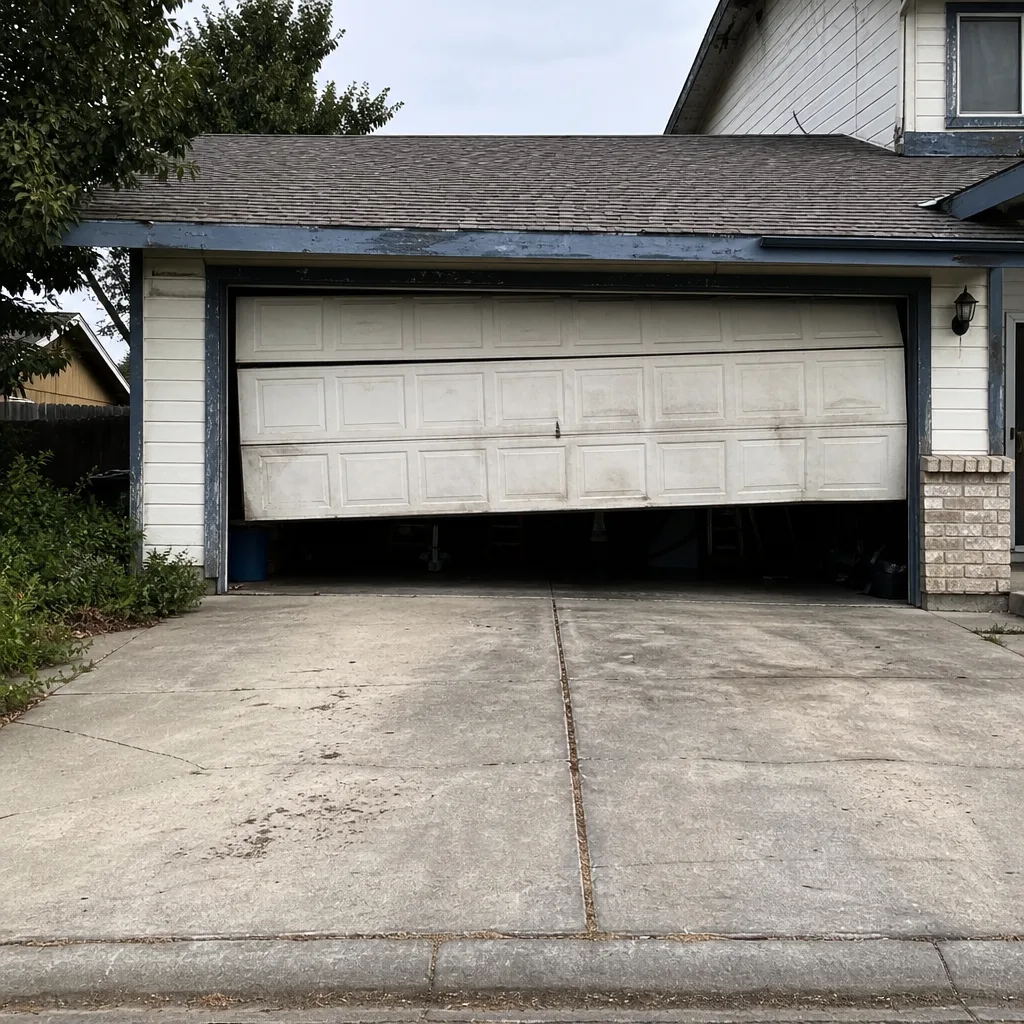 Before
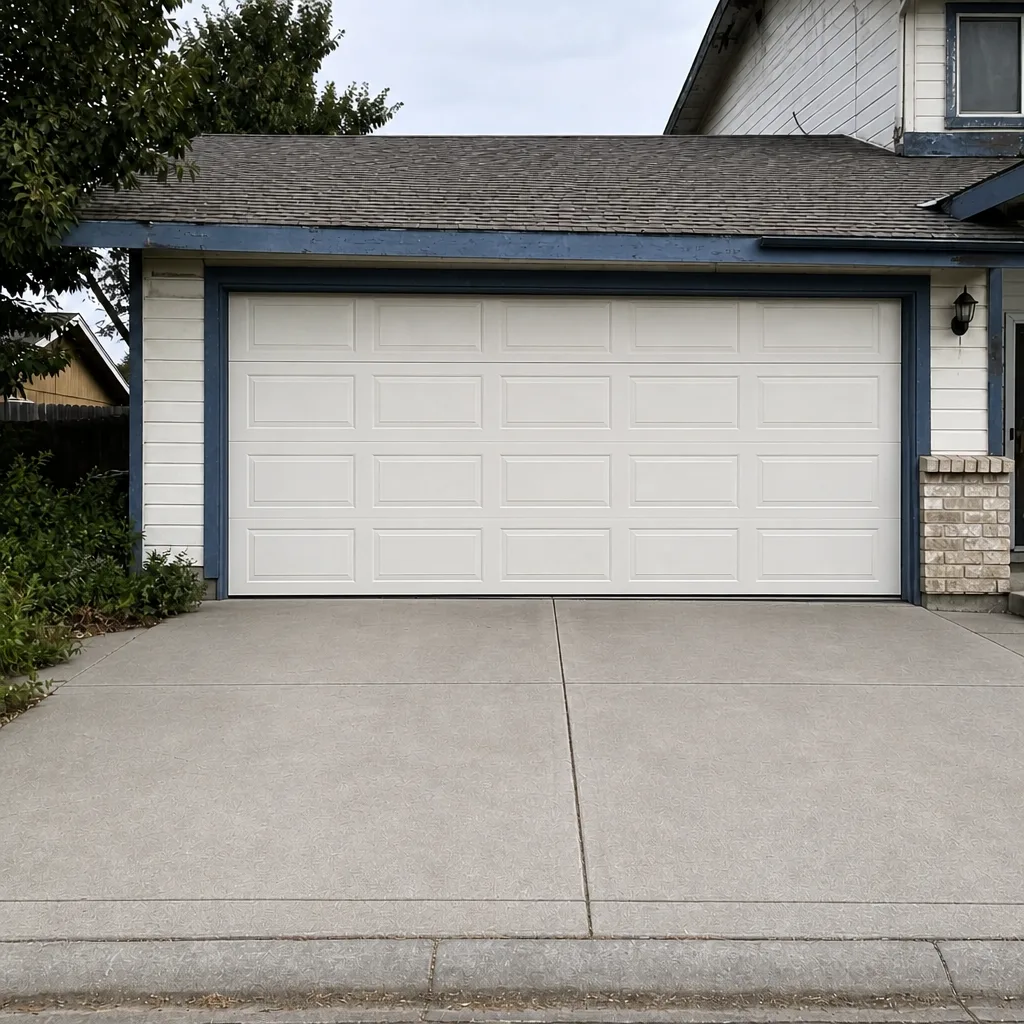 After
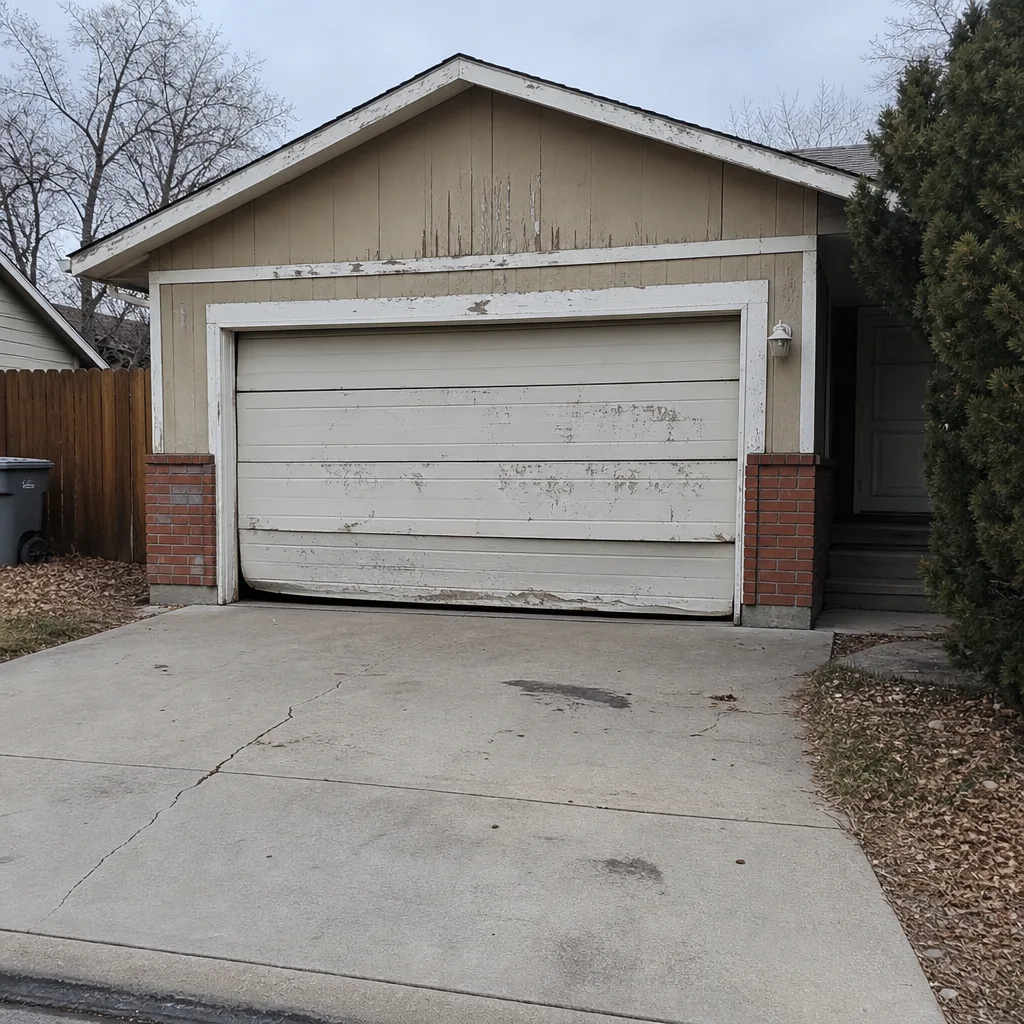 Before
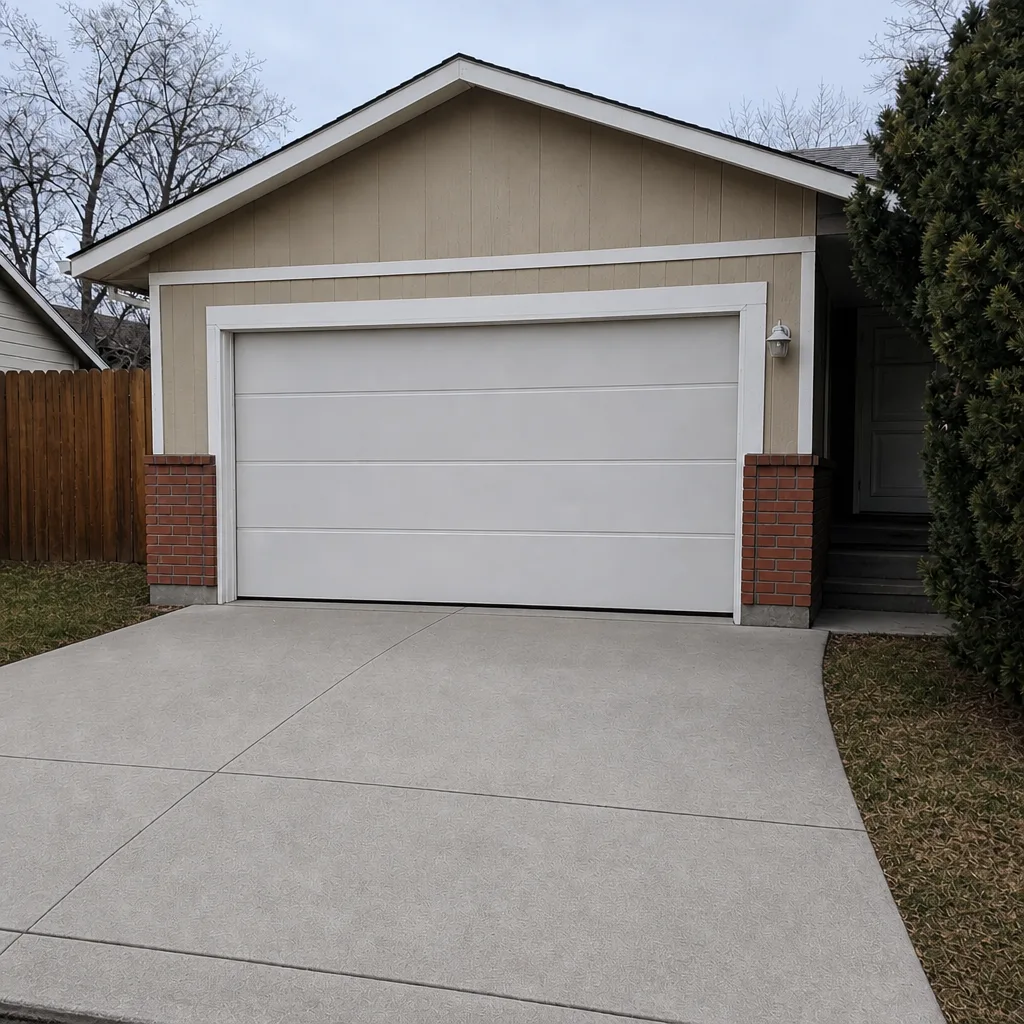 After
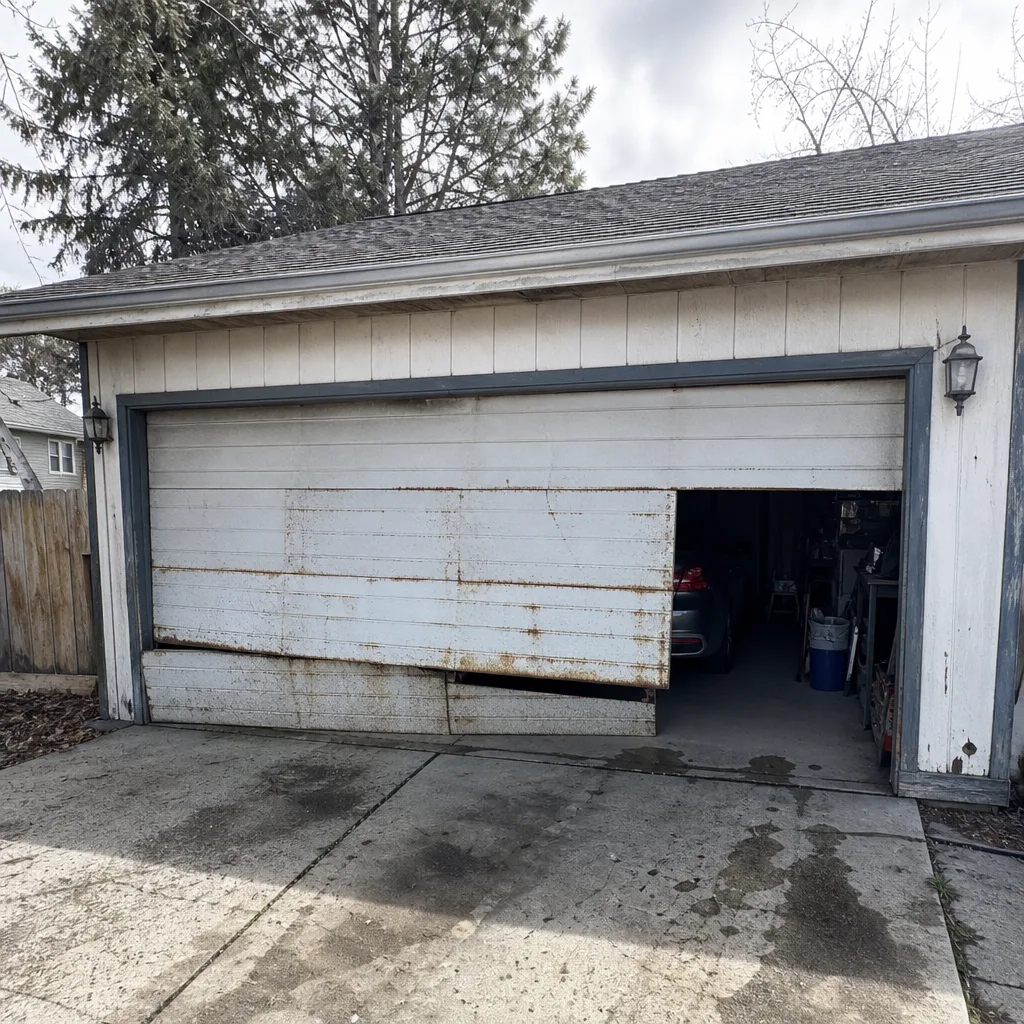 Before
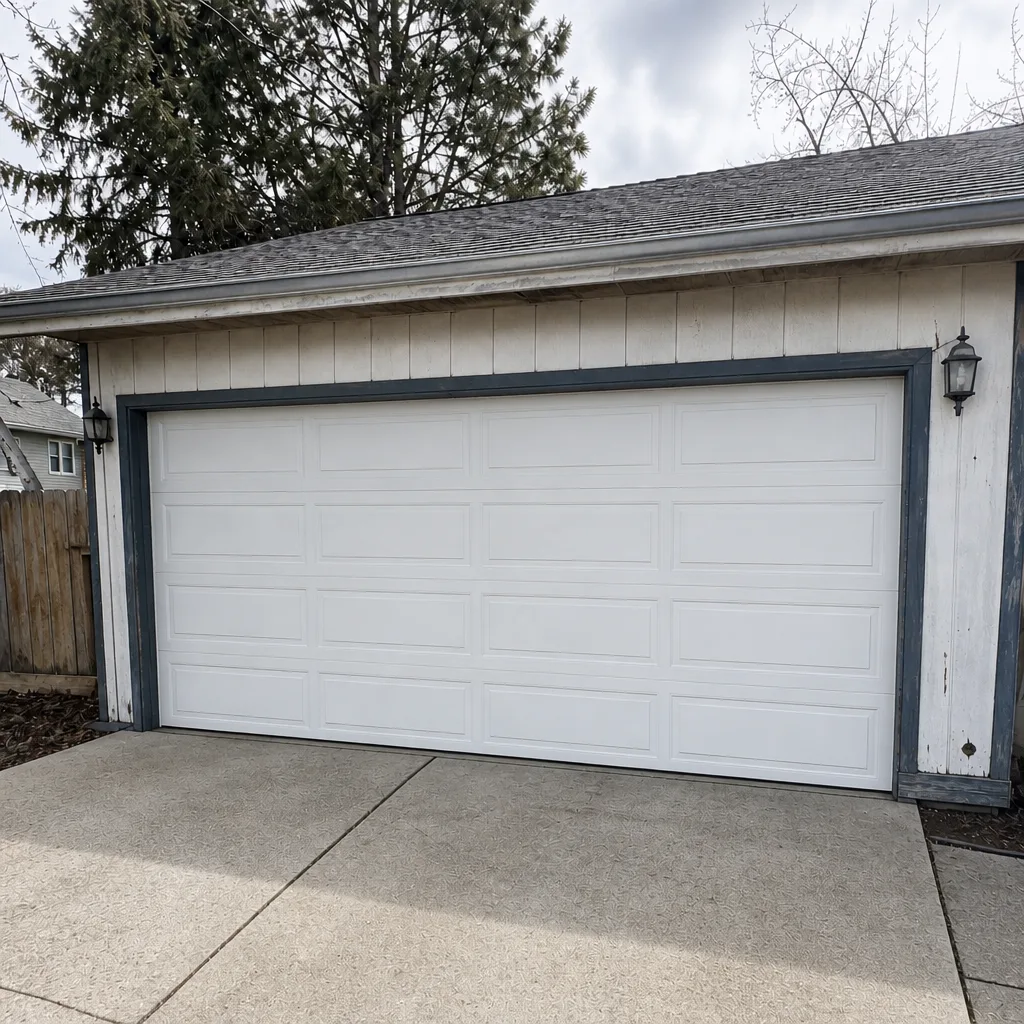 After
When to Call a Professional
Some tasks are for you: lubricating rollers, testing the safety reverse, checking the track for bends. Others carry real risk. Call a professional immediately if you spot a frayed or loose cable, if the door won’t lift or feels unexpectedly heavy, if it’s come off its tracks, if a spring has visibly snapped, or if the door grinds or shudders as it moves. Those all involve high-tension hardware or alignment work that a trained technician should handle. Our technicians have up to 12 years of experience, and we offer free estimates in Nampa. Call (866) 942-7318. We answer 24/7. Fast dispatch from 7am to 7pm, Sunday through Friday. The price is quoted and agreed before any work starts, so there are no surprises.
Frequently Asked Questions
Plan on a professional service visit once a year, with homeowner checks monthly and seasonally. Nampa’s freeze-thaw cycles and clay soils shift track alignment more often than in a stable climate, so an annual technician check catches the small drifts before they wear out rollers and springs. Call (866) 942-7318 for a free estimate on a service check.
Yes, you can safely lubricate rollers, hinges, and the torsion bar with a garage-door-specific lubricant, but never apply grease or oil to nylon-coated cables. If you’re not sure which product goes where or the door still runs rough afterward, a technician can sort it out quickly. Call (866) 942-7318 and we’ll book a look.
Cold-weather stiffness or a heavy door usually means either lubrication has thickened or the springs have lost tension. Repeated freeze-thaw cycles also shift the concrete, which pulls your track out of alignment and makes the door bind. A technician can measure the balance and re-level the track. Call (866) 942-7318 for a free estimate.
Yes. A cable under tension can snap without warning and cause serious injury, so a frayed, kinked, or slack cable is a stop-using-the-door situation. Don’t touch or adjust it, and don’t try to lubricate it to quiet the noise. Have a trained technician inspect and replace it.
Look for bends in the vertical tracks, an uneven gap between the track and the door edge, or a door that binds in one spot when you lift it by hand with the opener disconnected. In Nampa, this happens most after a thaw as the soil shifts. If you spot any of it, book a repair visit.
Yes. Our opener repair covers both legacy units and modern smart and Wi-Fi-enabled openers across the major brands, including LiftMaster, Chamberlain, Genie, and Craftsman. Sensor resets, gear replacement, and remote re-pairing are all part of the service. Call (866) 942-7318 for an exact quote; estimates are free.
The Bottom Line
Garage door maintenance in Nampa comes down to watching the parts that actually fail. The five components that cause most repair calls are springs, cables, rollers, track alignment, and the opener, and four of those are mechanical parts of the door. An annual technician check catches the soil-driven track shift that a generic checklist never mentions, while a monthly safety reverse test and seasonal lubrication keep the door running between visits. The right lubricant on the right part, a visual-only cable check, and a genuine respect for high-tension hardware will save you the bigger repair. When in doubt, call. We answer 24/7. Fast dispatch from 7am to 7pm, Sunday through Friday.
Ready to get your door running right? Call (866) 942-7318 for a free estimate on any repair, tune-up, or new installation in Nampa.
Written by the team at Nampa Garage Door Service.