
Last updated November 15, 2026
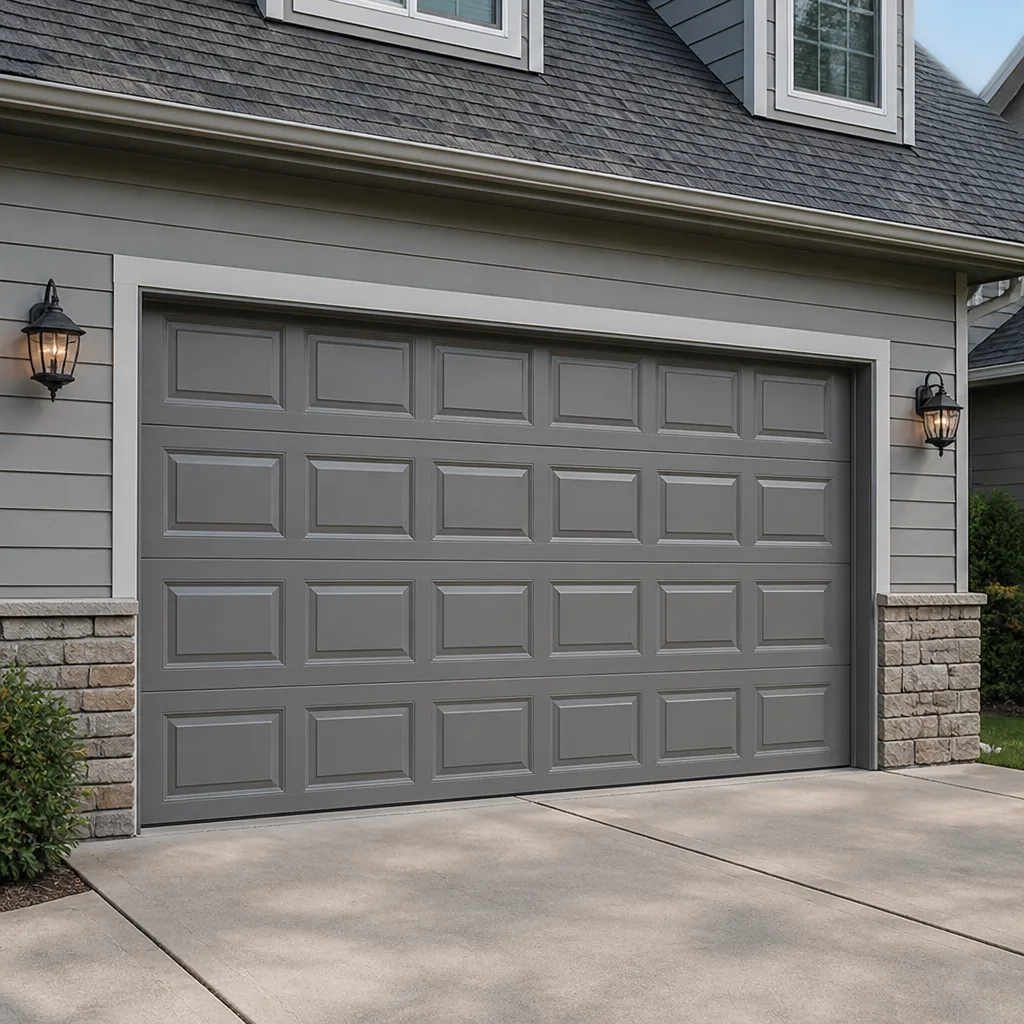 Raised-panel steel
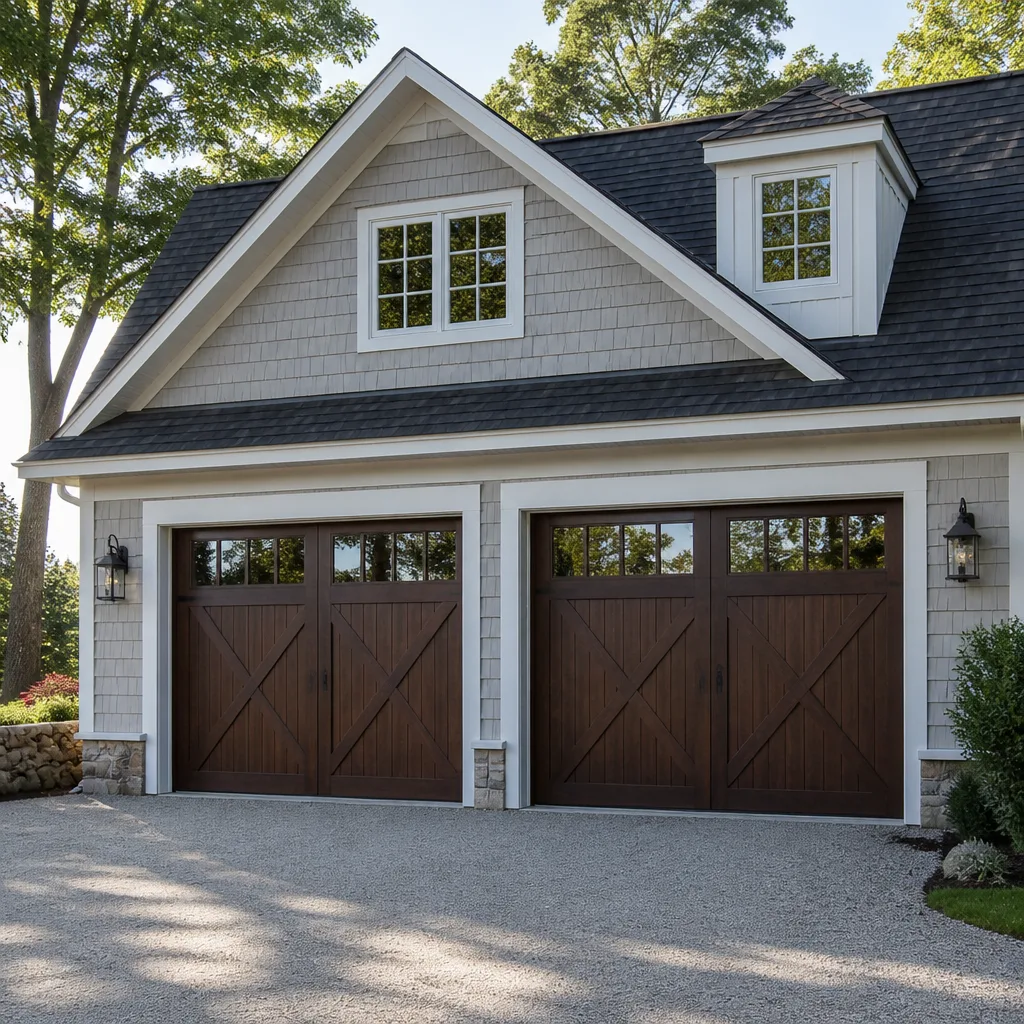 Carriage house
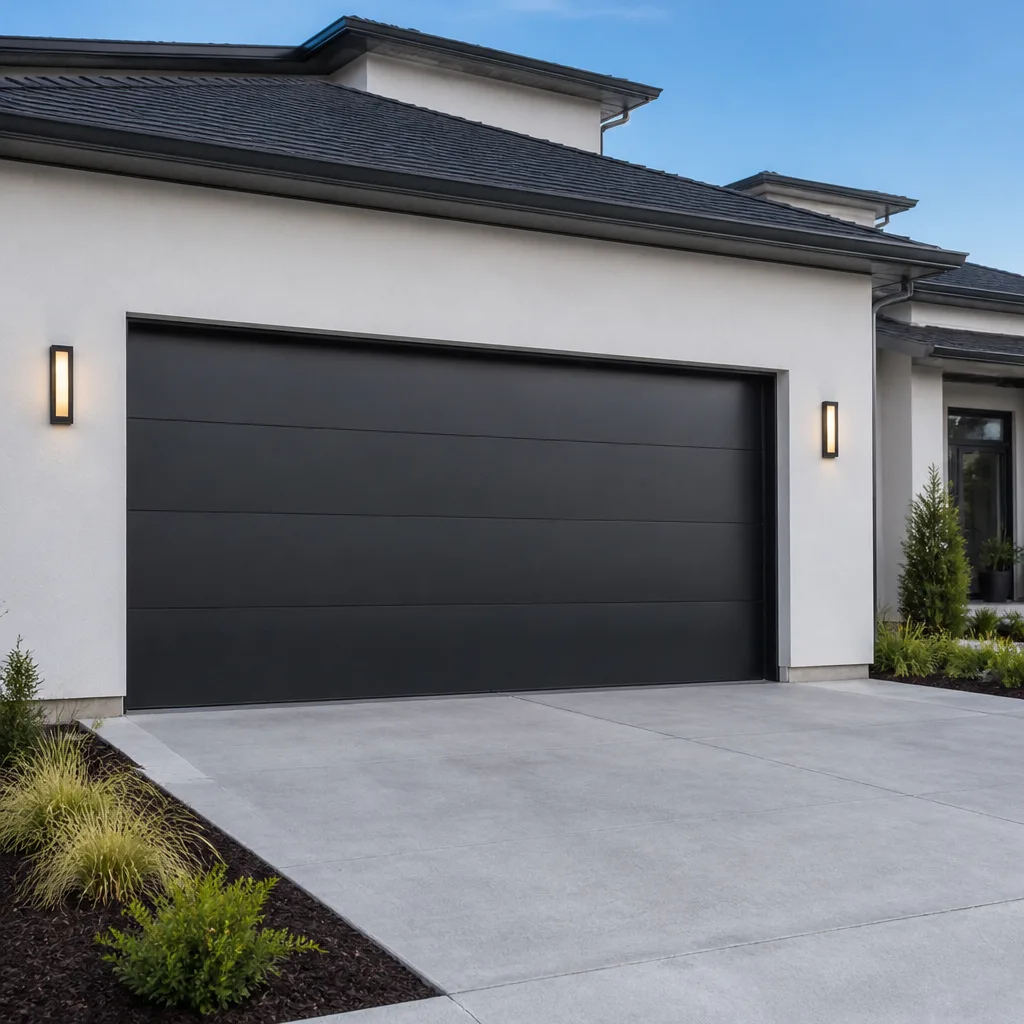 Modern flush
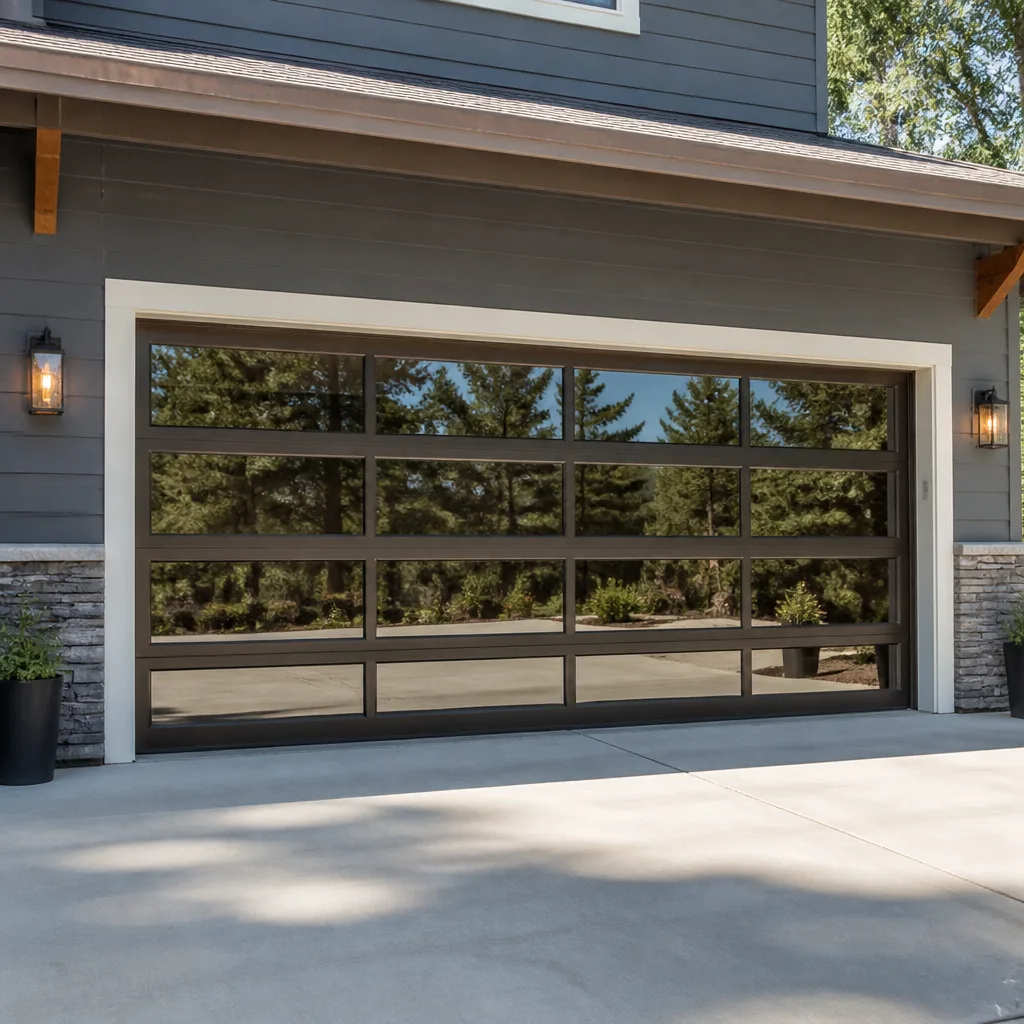 Full-view glass
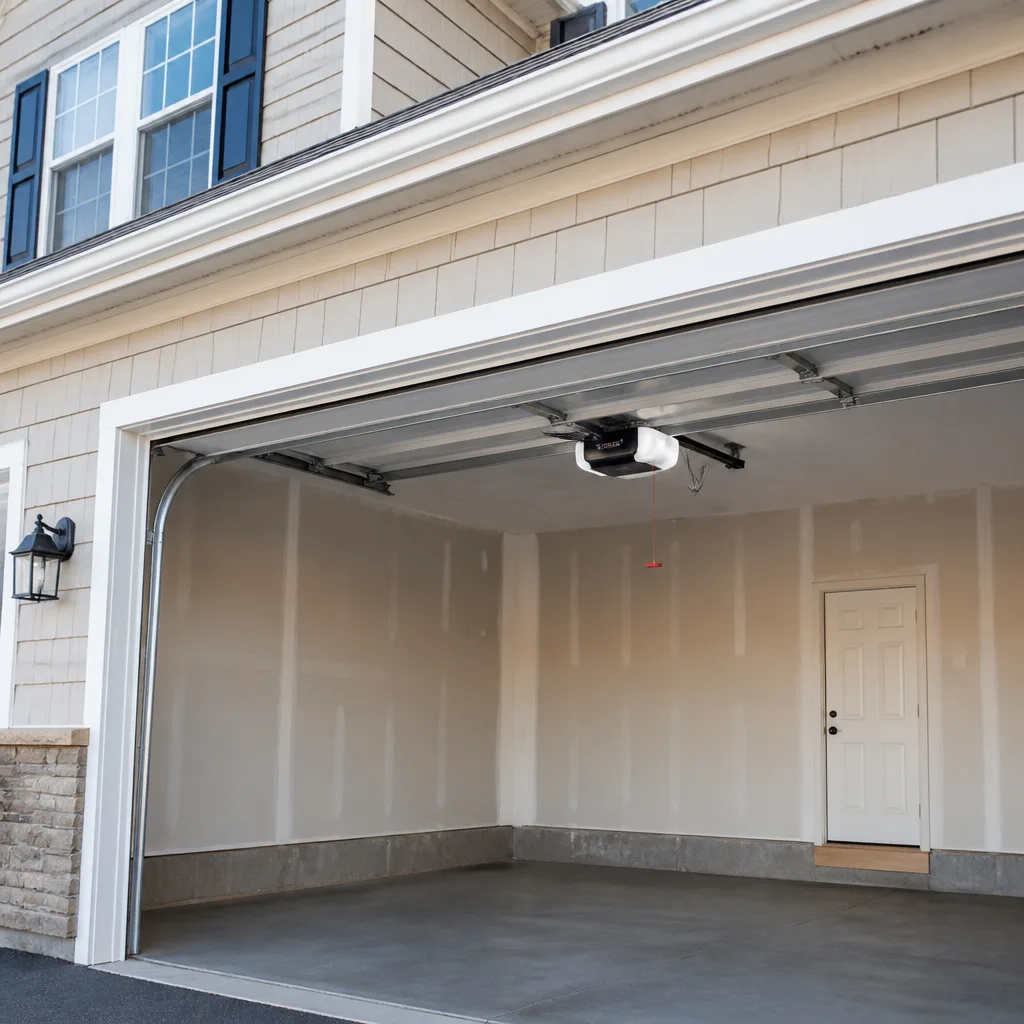 LiftMaster openers
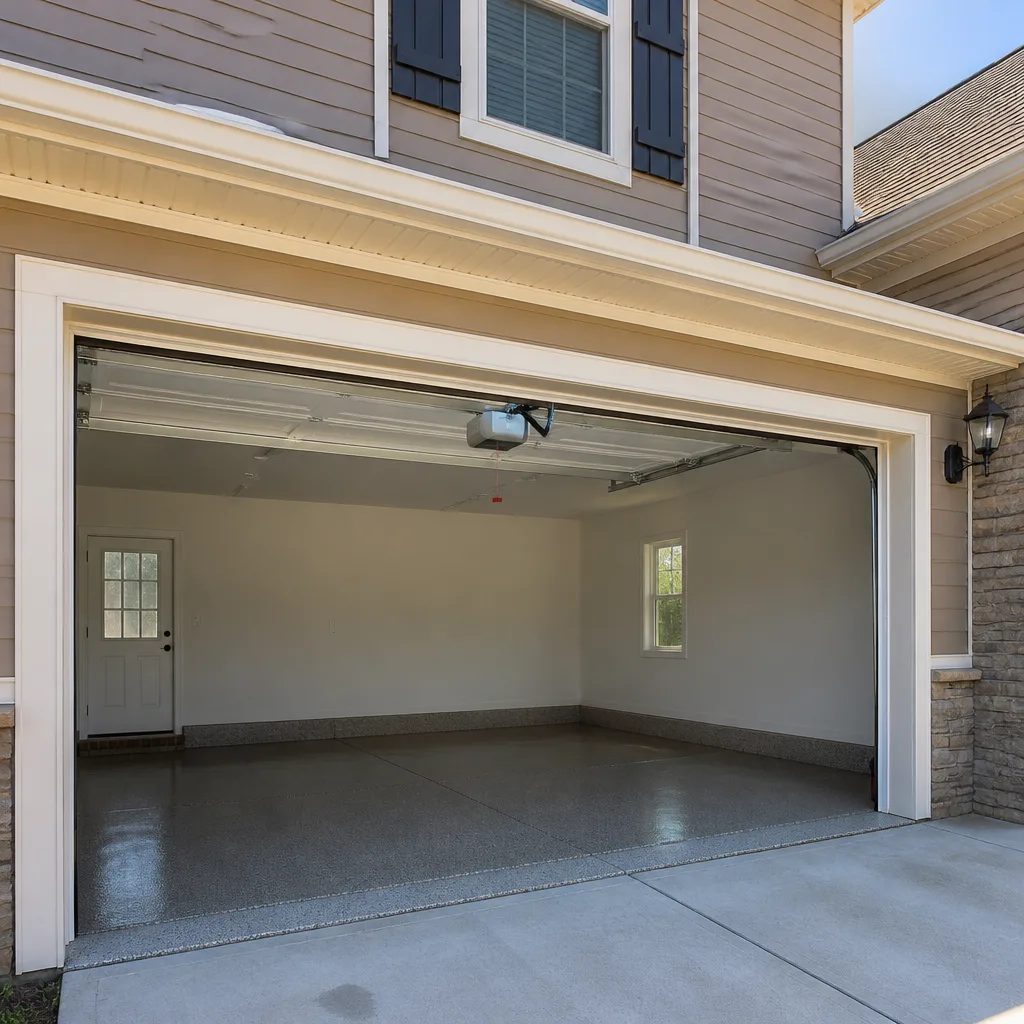 Chamberlain openers
Full 25-point door and opener safety check with every visit - springs, cables, rollers, tracks, and your LiftMaster or Chamberlain opener included
You get a price before we start. It does not change when the pro arrives.
Get your free estimateSeasonal Garage Door Care for Nampa: Year-Round Homeowner’s Guide
Most homeowners assume the worst month for a garage door is the coldest one. In Nampa, it usually isn’t. The damage happens in the shoulder seasons, March and October, when the temperature swings forty degrees in a day and back again the next. That cycling works metal and rubber harder than any single cold snap. A torsion spring doesn’t fail because it hit ten degrees one night; it fails because it’s been expanding and contracting twice a day for weeks. What follows is a season-by-season plan built around how a door in the Treasure Valley actually ages, not a generic checklist copied from a climate that doesn’t exist here. You’ll get the stresses to watch in each season, what to check, and a task calendar you can run in under twenty minutes a season.
Styles & brands we work with
- Raised-panel steel
- Carriage house
- Modern flush
- Full-view glass
- LiftMaster openers
- Chamberlain openers
Quick Answer
Seasonal garage door care in Nampa means matching each task to the stress that season actually creates: check track alignment and cable tension after winter’s freeze-thaw heave, watch painted steel and opener logic boards through summer UV and heat, inspect weatherstripping against the first freeze forecast rather than a calendar date, and treat a heavy-feeling door in January as a spring warning. Four checks a year, each under twenty minutes, cover the parts that fail most often in this valley.
Table of Contents
- Why Nampa’s Shoulder Seasons Do the Most Damage
- Spring: Freeze-Thaw Heave and Track Alignment
- Summer: UV, Heat, and Opener Logic Boards
- Fall: Weatherstripping and the First Freeze Forecast
- Winter: Cold Springs and a Door That Feels Heavy
- The Nampa Task Calendar: Under 20 Minutes a Season
- Does Door Brand Change the Maintenance Schedule?
- Common Mistakes to Avoid
- When to Call a Professional
- Frequently Asked Questions
- The Bottom Line
Why Nampa’s Shoulder Seasons Do the Most Damage
A garage door is a mechanical system with several materials bolted to the same frame: galvanized steel tracks, oil-tempered torsion springs, rubber weatherseal, nylon rollers, and steel door panels with a painted finish. Each of those materials expands and contracts at a different rate when the temperature moves. In a place that holds 95 degrees for weeks, the whole system moves together and relaxes. In a place that holds 15 degrees, the whole system shrinks and stays shrunk. Nampa does neither reliably in spring and fall. What it does is bounce.
Consider what a typical week in March or October looks like here. Warm afternoon, cold night, warm again, then a cold front. The concrete slab under the door heaves slightly as moisture in the soil freezes and thaws, and the door frame rides on that slab. The tracks shift a fraction of an inch. The weatherseal at the bottom compresses and relaxes. The spring takes on and sheds load. None of that is dramatic on its own, and that’s the point: it accumulates quietly until a roller jumps a track or a seal gives up its grip.
In our experience servicing doors across Nampa, the calls that spike in March and October are almost always traceable to this cycling. Track misalignment, rollers worn flat on one side, weatherseal that’s lost its flex, and cable tension that’s drifted out of spec. A door that got through January without a complaint can start grinding in April because the frame settled two millimeters over six weeks of thaw. That’s why the seasonal plan below front-loads the mechanical checks into spring and fall rather than winter.
What “Heave” Actually Means for Your Door
Freeze-thaw heave is the movement of the ground itself as water in the soil expands on freezing and settles on thawing. It’s mild in the Treasure Valley compared to mountain towns, but garage slabs and aprons are shallow, so they feel it. When the slab lifts a quarter inch on one side, the vertical track bolted into that side walks with it. The door then either binds on one edge or sits slightly cocked in the opening. You’ll notice it as a door that closes harder than it used to, or a gap at one bottom corner.
Spring: Freeze-Thaw Heave and Track Alignment
Spring is for the mechanical survey. The ground has finished its biggest movement, so this is the moment to find out what it did to your door system before summer heat locks the misalignment in. Two tasks matter most: checking that the tracks are still plumb and parallel, and checking cable tension on both sides.
Track Alignment: What to Look For
You don’t need to adjust the tracks yourself. You need to know whether they’ve moved. Run your eye down the vertical track on each side from floor to header. Both should look like a straight vertical line, and the horizontal track should be level within a small margin. A gap that tapers from top to bottom, or a track that visibly leans away from the door at the bottom, is a sign the frame has shifted. You can also open the door halfway and look at the gap between each roller and the track it rides in; a consistent gap on both sides means the tracks are parallel, and a gap that widens on one side means they aren’t.
Cable Tension: The Check You Shouldn’t Do Alone
Cables carry the spring’s stored force, and they are under heavy tension at all times. We list cable tension as a spring task because that’s when it needs attention, not because it’s a DIY job. What you can safely do is look: both cables should have the same amount of slack, with no fraying, no kinks, and no cable climbing over itself on the drum. Uneven slack, or a cable that looks loose on one side and tight on the other, tells you the tension has drifted. That’s a call-a-professional moment. Do not adjust cable tension yourself; the stored energy in a torsion system can release without warning and cause serious injury. A trained technician has the winding bars and the procedure to set it safely.
Other Spring Tasks
- Wipe the tracks clean with a dry cloth, then apply a light silicone spray – not grease, which collects grit.
- Check that all the track bolts and hinge screws are snug; freeze-thaw loosens them.
- Test the door’s balance by disconnecting the opener and lifting the door halfway; it should stay put. If it drops, the springs need attention.
- Clean the photo-eye lenses on the opener and confirm the door reverses when you pass an object through the beam.
If the door binds on one side or the balance test fails, that’s a spring-season repair job, and it’s worth handling before summer heat makes it worse. Our garage door repair team sees a clear uptick in track and roller work in March and April for exactly this reason.
Summer: UV, Heat, and Opener Logic Boards
Summer in Nampa is a slow cook. Weeks of high heat and intense sun do two things to a garage door: they age the exterior finish faster than the calendar suggests, and they push the opener’s electronics harder than the door ever pushes them. Both are cumulative, which means summer tasks are about slowing degradation rather than fixing anything broken.
Painted Steel and UV Degradation
The south-facing panels of a painted steel door take the most sun. Over a few summers, that exposure does three things. It fades the color, dulls the gloss, and gradually micro-cracks the clear coat, which then lets moisture into the paint film. On a Clopay or Wayne Dalton steel door with a factory finish, the paint is your only defense against rust at the panel seams and the bottom edge where road splash collects. The summer check is simple: run a hand along the bottom edge and look for bubbling, flaking, or rust-colored staining at the seams. Wash the door with mild soap and water and rinse thoroughly. If the finish is chalky or the color has gone flat, a fresh coat of exterior-grade paint or a touch-up at the seams buys you years.
How Heat Affects Opener Logic Boards
A garage in July can run hotter inside than the outside air temperature because the roof radiates heat down and the door, when closed, traps it. The opener’s logic board, motor, and capacitor sit in that environment. Most residential openers are rated for the heat they’ll see here, but the electronics age faster in sustained high temperatures, and symptoms show up as erratic behavior: a door that reverses for no reason, a remote that works intermittently, or a unit that trips its internal breaker after a few cycles. LiftMaster and Chamberlain units are generally robust in valley heat, but if your opener’s been in place a while, summer is the season its temperature tolerance starts to show. If it’s acting up, garage door opener repair usually tracks the issue to a capacitor, a logic board, or a sensor.
Attic-Heat and Garage Ventilation
If your garage shares an attic with the house, or has an unconditioned attic above it, that heat load lands on the opener and on anything stored in the garage. A simple vent or a small exhaust fan in the garage ceiling cuts the peak temperature noticeably. It also helps the door’s weatherseal last longer, since rubber doesn’t like being cooked. This is a low-cost improvement most homeowners never think about, and it’s the one summer fix that pays off on the whole system.
Fall: Weatherstripping and the First Freeze Forecast
Weatherstripping is the one maintenance task where the calendar should follow the weather, not the other way around. The job of the bottom seal, the side seals, and the header seal is to keep cold air, moisture, and pests out. Once the seal loses flexibility, it stops doing that, and the first hard freeze is what exposes it. So the right timing for Nampa is to inspect and replace seals when the extended forecast shows the first freeze approaching, not on an arbitrary October date.
What to Inspect
- Bottom seal: Squeeze it along its full length. It should feel supple and spring back. If it’s hard, cracked, or flattened so it doesn’t touch the floor, it needs replacing.
- Side and header seals: Look for gaps where you can see daylight, especially at the corners and the top. A gap at the top corner is common after a summer of expansion and is easy to miss.
- Panel seams: Where two sections meet, the seal between them can shrink. Run a flashlight from the outside on a dark evening and look for light leaking through.
- Floor contact: Close the door and see whether the bottom seal meets the floor evenly. A seal that touches in the middle but gaps at the edges means the door isn’t level, which points back to the tracks.
Why Timing Matters Here
If you replace a bottom seal in July, you’ve spent the summer protecting against nothing and the seal has one more season of UV on it before winter. If you replace it after the first freeze, you’ve already had cold air and possibly snowmelt wicking under the door. The window between “forecast shows first freeze in ten days” and “first freeze” is the right time. For most Nampa falls, that lands somewhere in late October to early November, but let the forecast set it.
Fall is also the season to do a full lubrication pass while the door is still warm enough for grease to flow properly, and to check the opener’s safety reverse one more time before the weather turns. Both take minutes and both are more pleasant in October than in January.
Winter: Cold Springs and a Door That Feels Heavy
Cold makes torsion springs brittle. The steel is oil-tempered and designed for it, but at low temperatures the metal is less able to absorb stress, and springs are more likely to fail under a load they’d handle fine in July. That’s the mechanical reality behind the winter calls we get. It’s also why the “door feels heavy” complaint in January is a warning, not a nuisance.
What a Heavy Door Is Telling You
If you disconnect the opener and lift the door by hand, a healthy door should rise with modest effort and hold its position at halfway. If it feels heavy, or if it drops rather than holding, the springs aren’t carrying the door’s weight the way they should. Some of that is normal cold-weather stiffness and will ease when the temperature recovers. Some of it is a spring that’s lost tension or is on the verge of failing. The difference matters because a failing spring can let the door come down hard. If the door feels heavy for more than a day or two, or if you hear a sharp bang from the garage, stop using the opener and call a professional. Do not try to lift a door with a broken spring by hand; the weight is far more than it appears, and the panel can drop.
Winter Checks That Are Safe to Do
- Listen: A grinding or scraping sound on cold mornings often means rollers or hinges need lubrication, not that something’s broken.
- Watch the seal: After snow, check that the bottom seal isn’t frozen to the slab. A sharp tug with the opener can tear it.
- Clear the apron: Keep snow and ice off the concrete apron in front of the door so the seal isn’t sitting in meltwater.
- Check the opener’s force settings only if the door is balanced. Never increase opener force to compensate for a heavy door; that pushes the motor past its design and hides a spring problem.
Winter is also when Nampa homeowners are most likely to notice their opener struggling. Cold-thickened lubricant in the opener’s gearcase and a stiff door make the motor work harder. If your LiftMaster or Craftsman opener is straining on cold mornings but fine by afternoon, that’s a symptom to note for a spring checkup, not a sign to replace the opener.
The Nampa Task Calendar: Under 20 Minutes a Season
Here’s the practical version, mapped to what each season actually stresses and timed so each check fits into a coffee break. These are inspection and light-maintenance tasks only; anything involving springs, cables, or track adjustment belongs to a professional.
- Early spring (March, about 15 minutes): Walk both tracks for plumb and parallel. Wipe and silicone-spray the tracks. Snug visible bolts. Run the balance test. Look at cable slack on both sides without touching them. Note anything that binds.
- Late spring (May, about 10 minutes): Wash the door, inspect the bottom edge and panel seams for rust or paint failure. Touch up any chips. Test the safety reverse.
- Summer (July, about 15 minutes): Re-check paint and seams after the hottest stretch. Clear debris from around the opener housing and check that the garage isn’t running noticeably hotter than the outside air. Note any intermittent opener behavior for a fall service call.
- Early fall (September, about 15 minutes): Full lubrication pass on hinges, rollers, and the spring (silicone or lithium grease, not WD-40). Re-test balance and safety reverse.
- Pre-freeze (watch the forecast, about 20 minutes): Inspect all weatherseal, replace anything hard or gapping. Flashlight test the panel seams. Confirm the bottom seal meets the floor evenly.
- Midwinter (January, about 10 minutes): Listen for new noises, check the seal isn’t frozen to the slab, clear snow from the apron. If the door feels heavy for more than a day or two, call.
That’s six checks a year totaling roughly 85 minutes. Compare that to the cost and disruption of a failed spring in the middle of a January cold snap, or a track that’s been out of alignment since March and has worn the rollers flat, and the arithmetic is easy.
Does Door Brand Change the Maintenance Schedule?
Mostly no. The seasonal stresses in Nampa hit every brand the same way because they’re environmental, not brand-specific. What changes by brand is which parts wear first and what to look for. We work on LiftMaster, Chamberlain, Genie, Clopay, Amarr, Wayne Dalton, Craftsman, and Raynor doors and openers regularly, and the differences are worth knowing.
- Clopay and Amarr steel doors: The factory paint finish is durable, but bottom-edge rust and seam bubbling are the failure points. The summer paint inspection matters more on these.
- Wayne Dalton doors: Some models use proprietary spring and hardware configurations, so if a spring fails, the replacement has to match. That’s a reason to know your model before you call.
- LiftMaster and Chamberlain openers: Robust in heat, but the logic board and capacitor are the parts that age. If yours is behaving oddly in summer, those are the first suspects.
- Craftsman and Raynor openers: Older units often have a force setting that gets adjusted up over the years to compensate for a stiff door. If yours has been turned up, the underlying door problem is still there.
The maintenance schedule is the same across brands; the diagnostics differ. Because garage doors are all we do, and because we work across those eight brands rather than one product line, we can tell you what’s likely failing on your specific door without steering you toward a brand we happen to sell. That matters when the honest answer is “your current door is fine, it just needs a seal and a track adjustment.”
Common Mistakes to Avoid
- Greasing the tracks. Tracks should be clean and dry with a light silicone film. Grease attracts grit, and grit grinds the rollers flat. This is the single most common mistake we see on Nampa doors.
- Adjusting the opener’s force setting to fix a heavy door. A heavy door is almost always a spring or balance problem. Turning up the force hides the symptom while the motor works past its design and the spring keeps degrading.
- Replacing weatherseal on a calendar date instead of the forecast. In Nampa, the right window is ten days before the first freeze. Doing it in July wastes the seal’s best season; doing it after the freeze lets cold air in first.
- Ignoring a track that leans after spring thaw. A track that’s out of plumb will wear rollers unevenly all summer. The cost of a track adjustment in April is a fraction of the cost of replacing rollers and a hinge set in August.
- Trying to adjust cables or springs yourself. Torsion springs and cables store enough energy to cause serious injury, and there’s no safe way to work on them without the right tools and procedure. This is the one part of garage door care that isn’t a homeowner task.
- Assuming a door that worked in January is fine in April. The shoulder seasons are when the damage happens, which is exactly when most homeowners stop paying attention.
- Skipping the safety reverse test. Every seasonal check should end with it. It’s the one test that protects people, not just the door.
When to Call a Professional
Some problems need a trained technician, and spring or cable issues are the obvious ones. Call a professional if the door feels heavy when you lift it by hand, if you hear a sharp bang from the garage, if a cable looks frayed or unevenly slack, or if the door binds on one side and the tracks look out of plumb. Call for opener problems you can’t fix with a new battery in the remote: a door that reverses for no reason, a unit that trips its breaker, or a motor that strains on cold mornings. Call before winter if your weatherseal is hard or gapping and you don’t want to replace it yourself. Nampa Garage Door Service offers free estimates in Nampa – call (866) 942-7318. We answer 24/7, with fast dispatch from 7am to 7pm, Sunday through Friday. The written estimate sets the price before any work starts.
Frequently Asked Questions
Four times a year, once per season, with the biggest checks in spring and fall. Those are the shoulder seasons when freeze-thaw cycling moves the tracks, loosens hardware, and stresses the springs, so the mechanical inspections belong there. Summer and winter checks are lighter: paint and heat for the opener in summer, seal and balance in winter. Each inspection takes fifteen to twenty minutes.
Cold makes torsion springs less able to carry the door’s weight, and it thickens the lubricant in the door’s moving parts, so a healthy door can feel stiffer on a cold morning. If the heaviness clears as the day warms, it’s usually seasonal. If it persists for more than a day or two, or if you hear a bang, treat it as a spring warning and call a professional before using the opener again. Call (866) 942-7318 for an exact quote – estimates are free.
Before. In Nampa, the right window is when the extended forecast shows the first freeze about ten days out, which usually lands in late October or early November. Replacing seals before that point means the door is sealed when the cold arrives. Replacing after means cold air, moisture, and possibly snowmelt have already gotten under the door.
It ages the electronics faster, yes. A garage in July can run hotter inside than the outside air because the roof radiates heat down and the closed door traps it, and the opener’s logic board and capacitor sit in that heat. Most openers handle it, but if yours is reversing for no reason, working intermittently, or tripping its breaker in summer, the heat is a likely factor. That’s a repair call, not a replacement call.
Same-day service is often possible for repair calls. Call (866) 942-7318 and we’ll tell you what we can do. We answer 24/7, with fast dispatch from 7am to 7pm, Sunday through Friday. A call outside dispatch hours is booked into the next opening. We’re closed Saturday.
No. We quote the job and agree the price with you before any work starts, and the written estimate sets the final price. If we find something on-site that changes the scope, we’ll tell you before doing the work so you can decide. Estimates are free.
The Bottom Line
Seasonal care in Nampa isn’t about following a generic checklist; it’s about matching each task to the stress that season actually creates. Spring is for tracks and cable tension after freeze-thaw heave. Summer is for paint and the opener’s electronics under sustained heat. Fall is for weatherseal, timed to the forecast rather than the calendar. Winter is for watching a door that feels heavy and clearing the apron. Four checks a year, under twenty minutes each, keep the parts that fail most often in this valley in good shape. Springs and cables always belong to a professional. Everything else you can do yourself, and knowing which is which is most of the battle.
If any of this year’s checks turned up something that needs a trained eye, we’re here for it. Our technicians have up to 12 years of experience working on LiftMaster, Chamberlain, Genie, Clopay, Amarr, Wayne Dalton, Craftsman, and Raynor doors and openers, and garage doors are the only thing we do. Nampa Garage Door Service covers repair, opener repair, and installation across Nampa, and we’ll diagnose the problem before quoting a fix. Call (866) 942-7318 for a free estimate. We answer 24/7, with fast dispatch from 7am to 7pm, Sunday through Friday, and we’re closed Saturday. The price is quoted and agreed before any work starts.
Written by the team at Nampa Garage Door Service.
See the difference
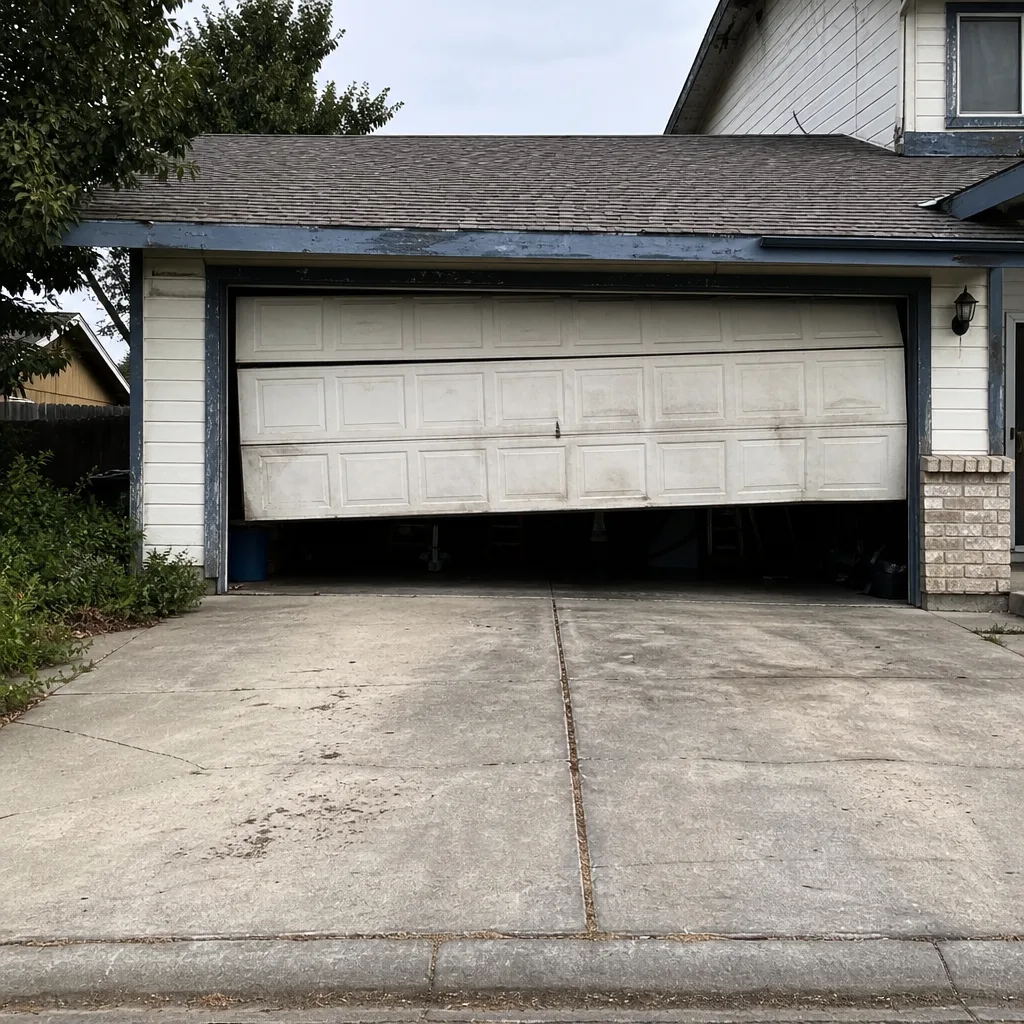 Before
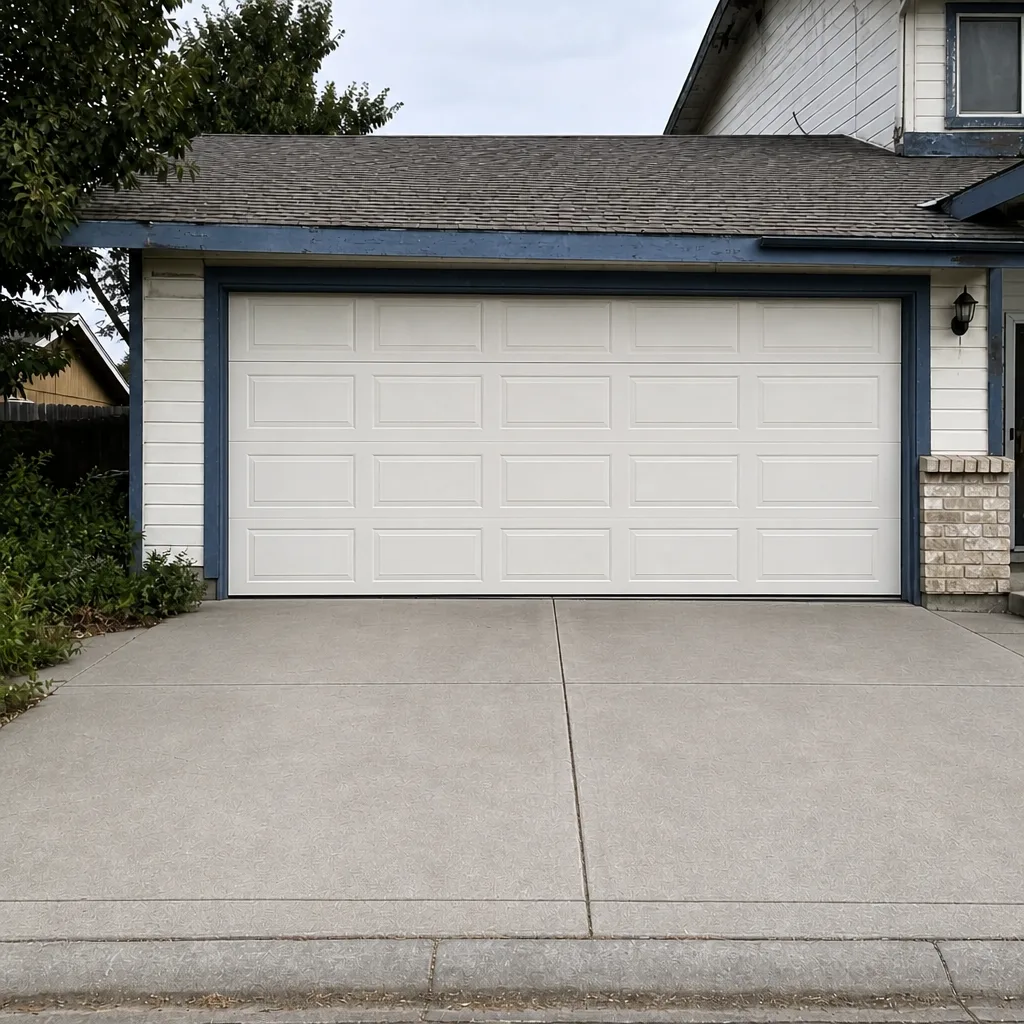 After
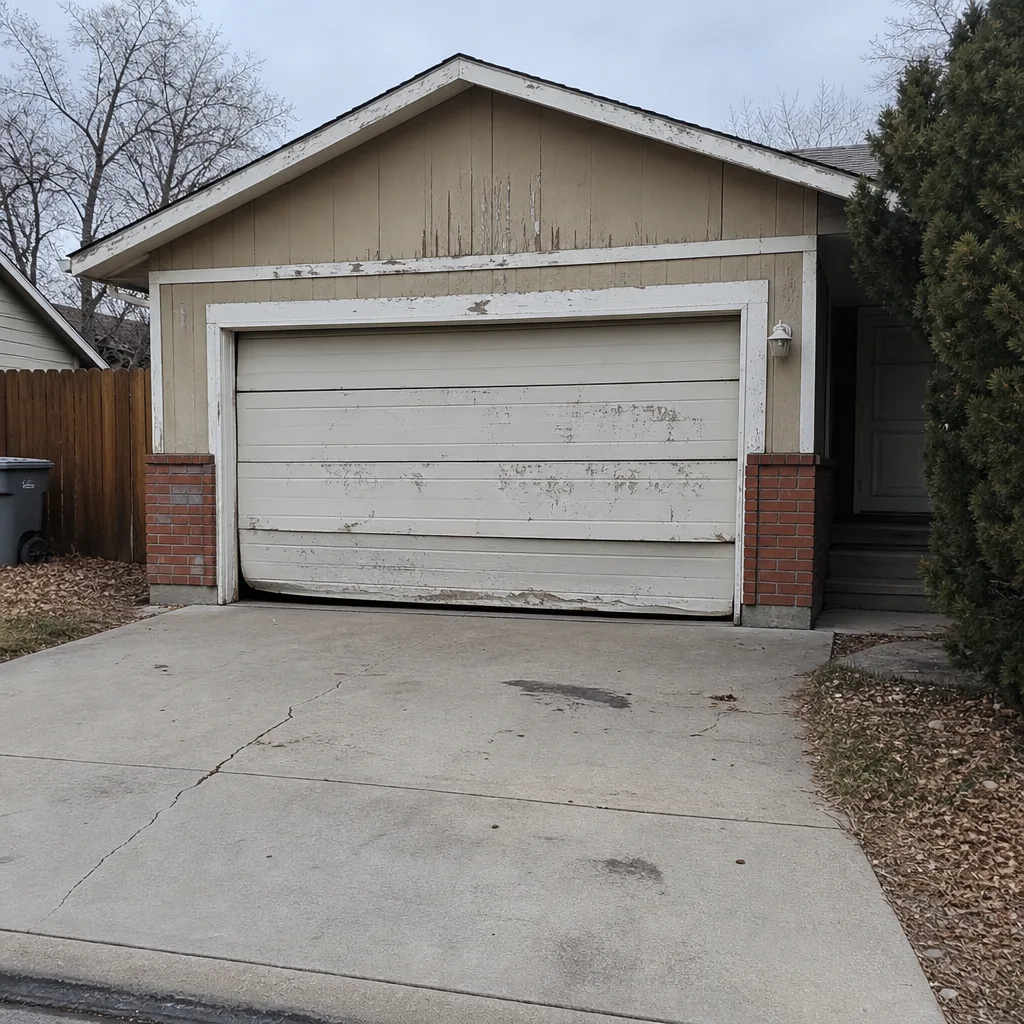 Before
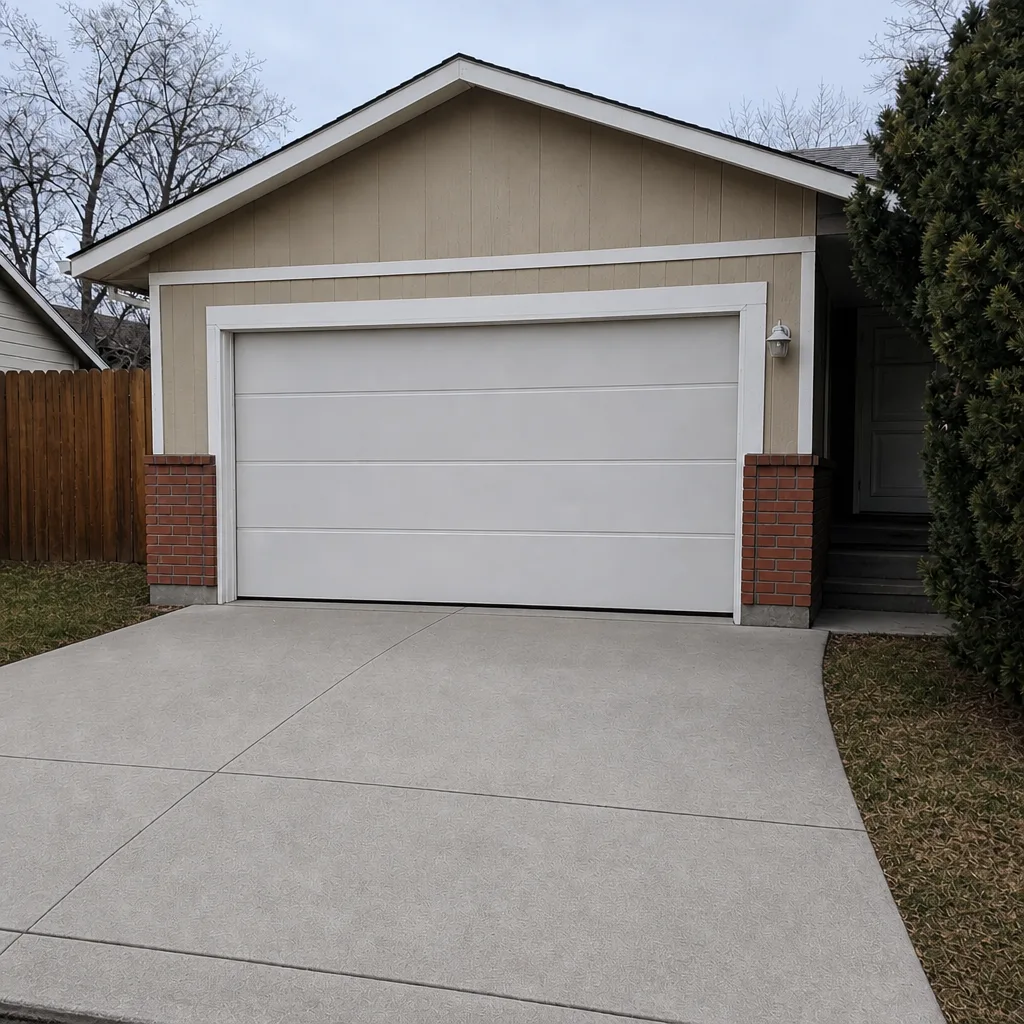 After
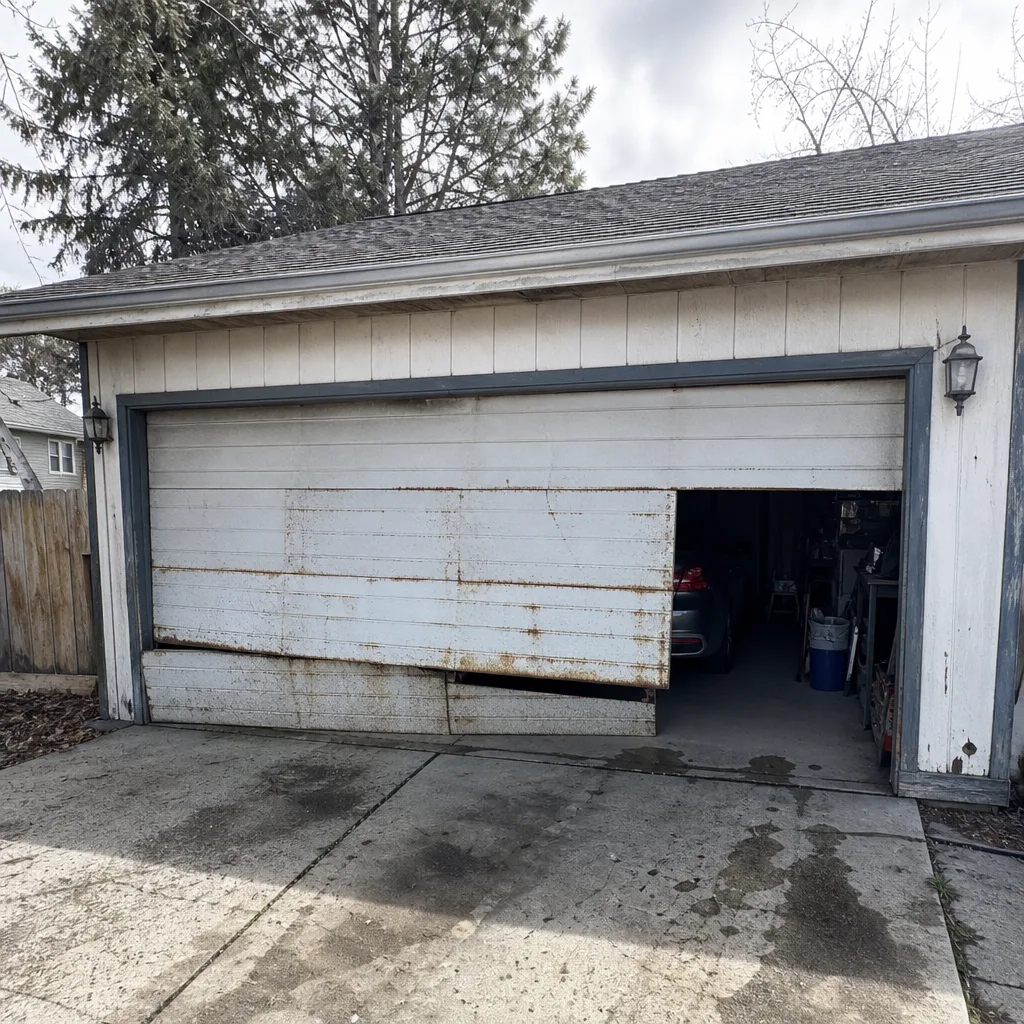 Before
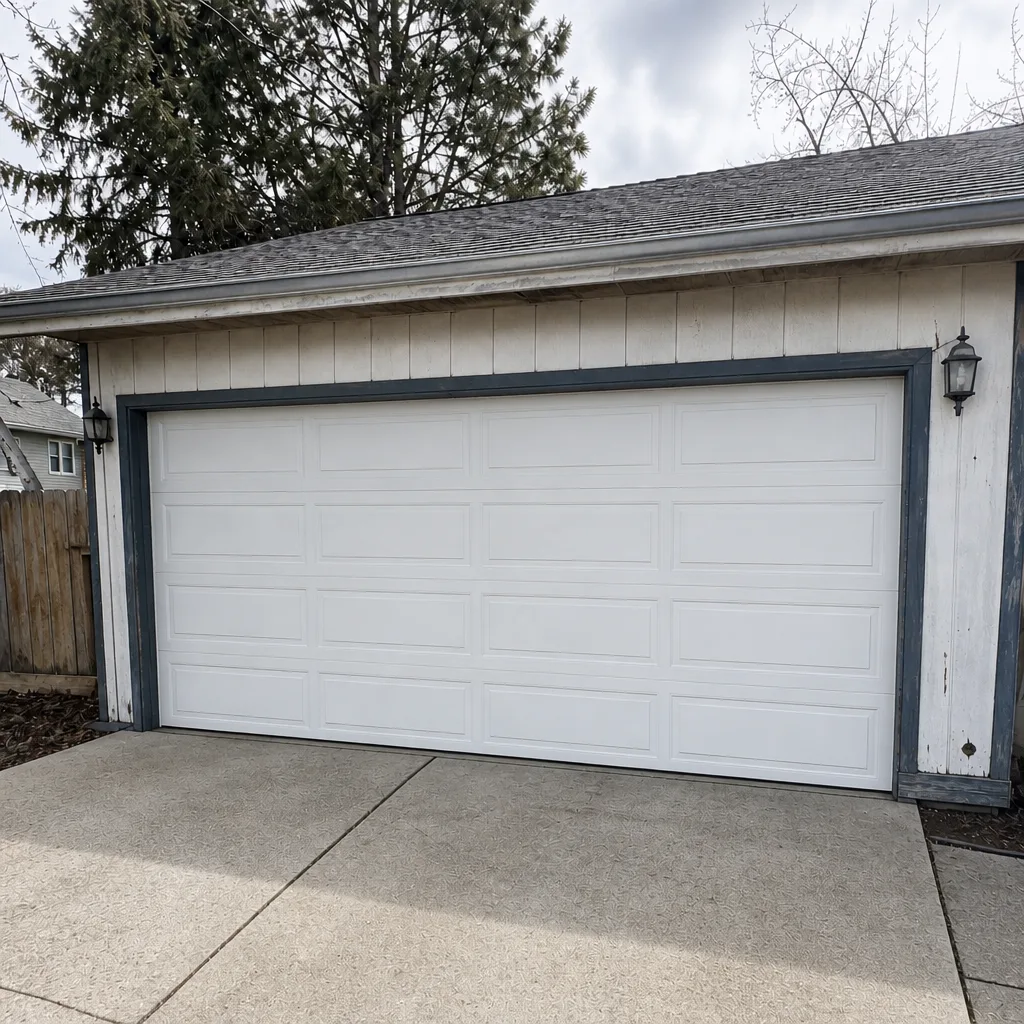 After