
Last updated November 15, 2026
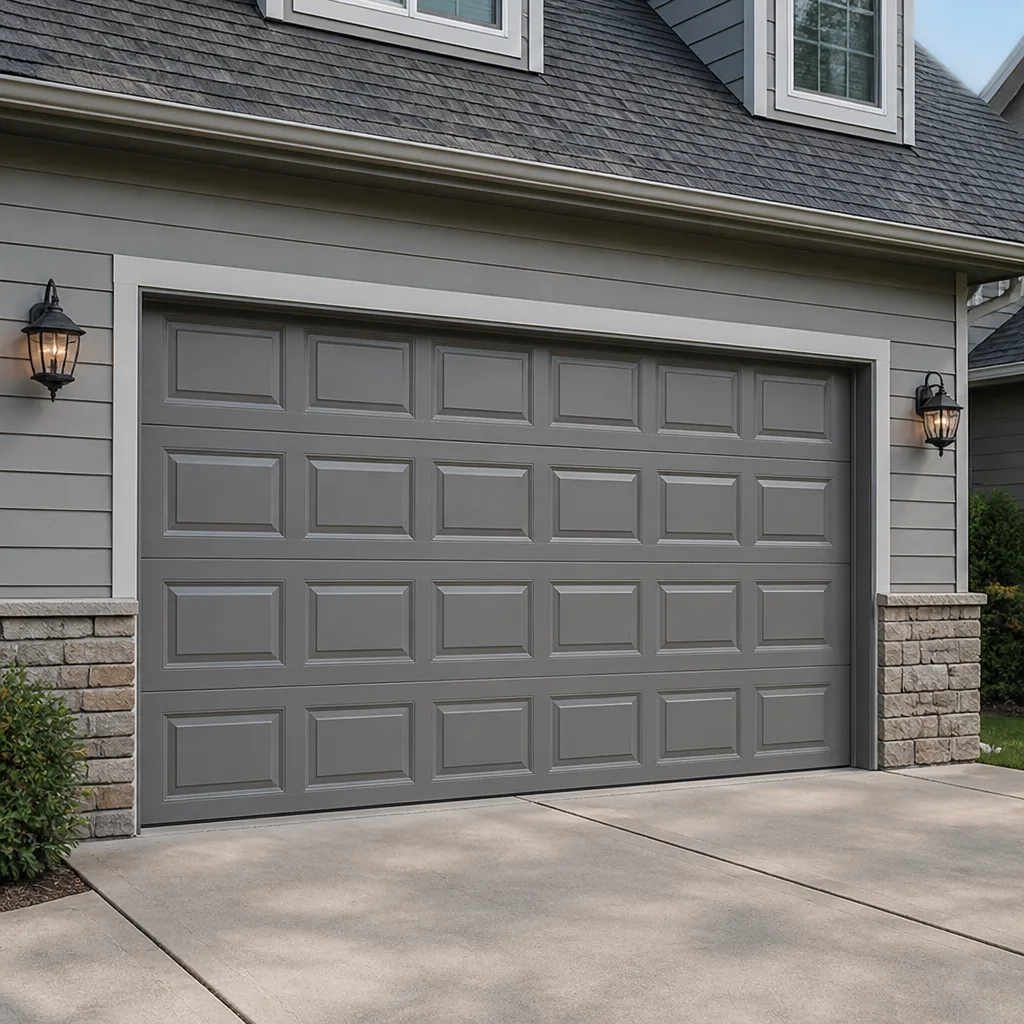 Raised-panel steel
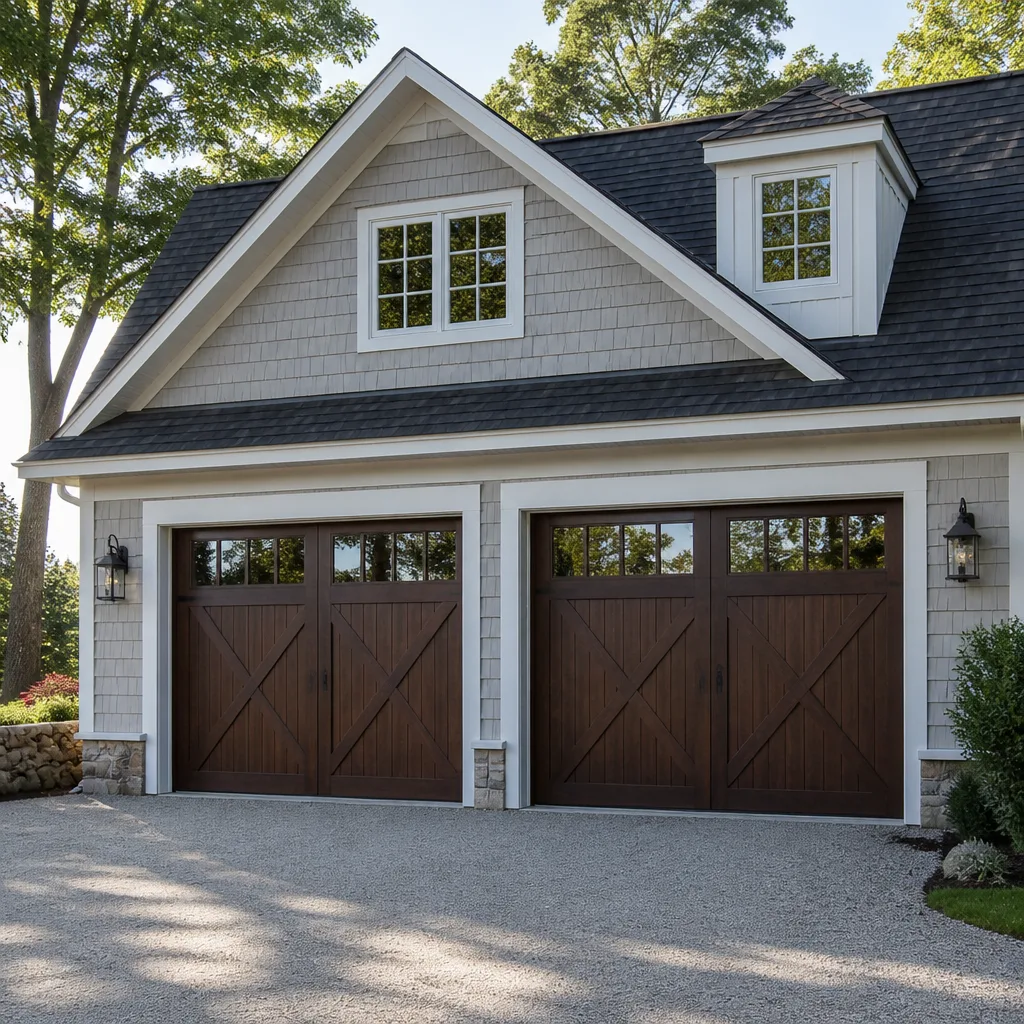 Carriage house
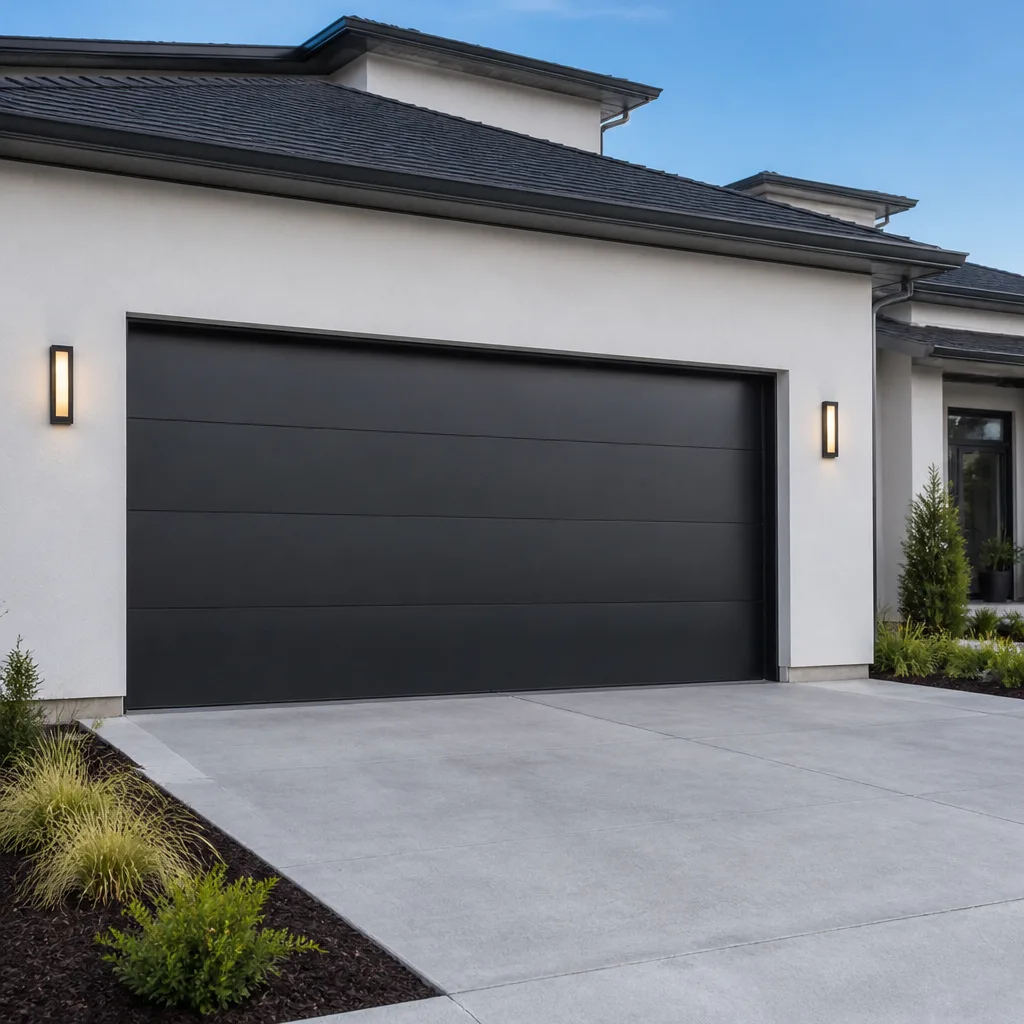 Modern flush
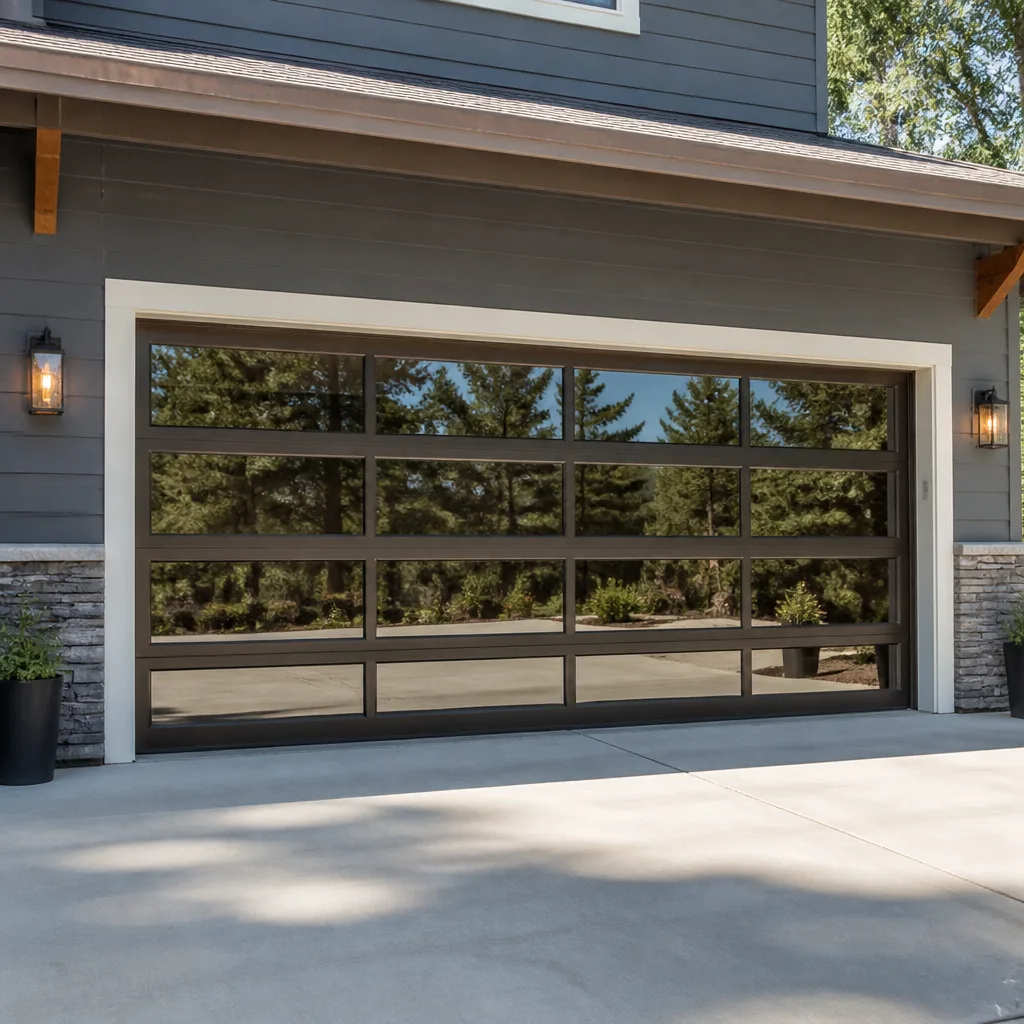 Full-view glass
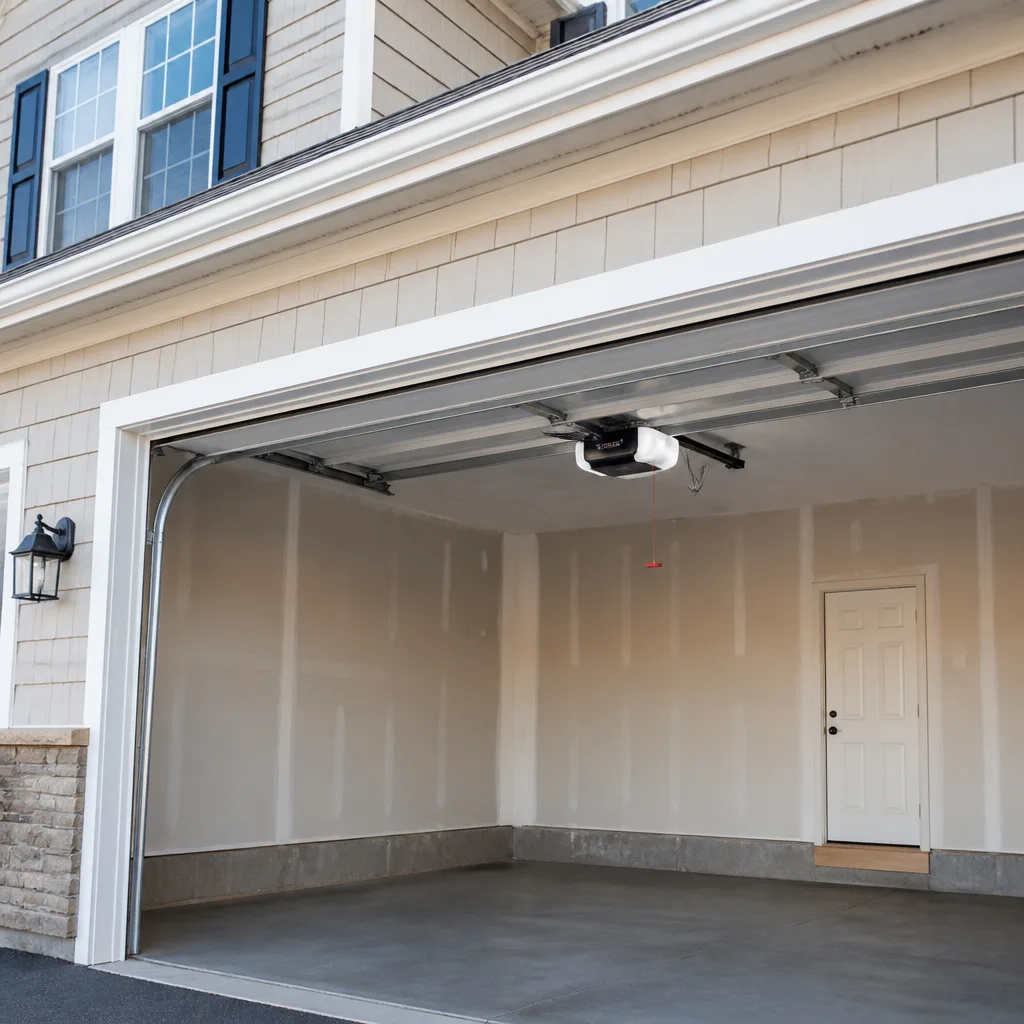 LiftMaster openers
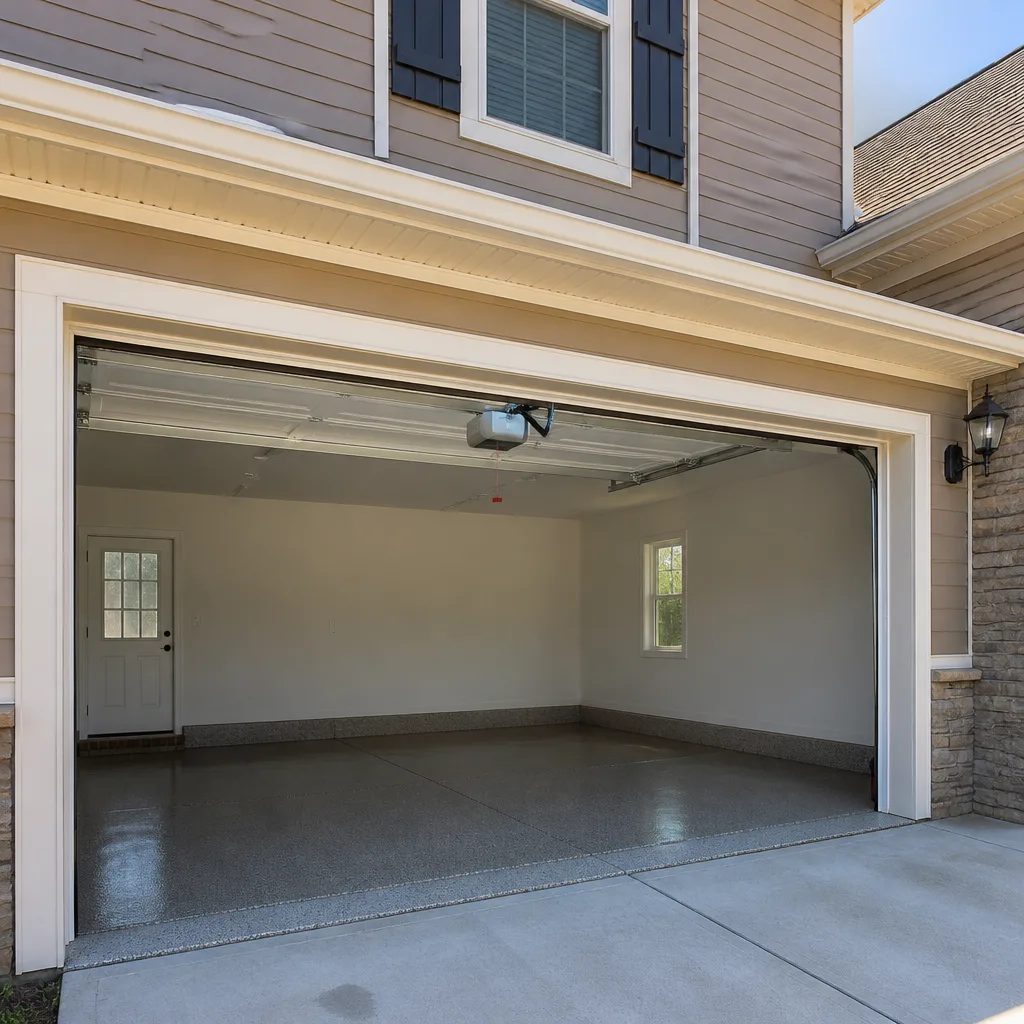 Chamberlain openers
Full 25-point door and opener safety check with every visit - springs, cables, rollers, tracks, and your LiftMaster or Chamberlain opener included
You get a price before we start. It does not change when the pro arrives.
Get your free estimateThe Complete Guide to Garage Doors in Nampa
Most garage door guides are written as if the door hangs in a climate-controlled showroom. It doesn’t. Here in Nampa, a door can bake through a 100°F July afternoon and then sit in a hard freeze the same winter, and that swing is what actually decides whether a door lasts or falls apart early. A door that performs fine somewhere mild can warp, stick, or eat through springs far faster in the high desert basin we call home. This guide connects the choices you’ll make – material, insulation, opener, hardware, and installation method – to how they hold up in Nampa specifically. By the end you’ll know what to look for, what to avoid, and when to bring in a specialist.
Quick Answer
Choosing and maintaining a garage door in Nampa comes down to matching the door to our temperature swings, dust, wind, and UV – not just picking a style you like. Steel or insulated steel doors with heavy weatherstripping and a properly balanced, correctly tensioned system last longest here, and a code-minimum install usually underperforms a Nampa-optimized one within a few seasons. Get the material, insulation value, and installation detail right up front and you spend far less on repairs down the road.
Styles & brands we work with
- Raised-panel steel
- Carriage house
- Modern flush
- Full-view glass
- LiftMaster openers
- Chamberlain openers
Table of Contents
- Why Nampa’s Climate Is Harder on Garage Doors Than You’d Think
- Choosing a Door Material for the High Desert
- Insulation and R-Value: Why the Daily Swing Matters Most
- Springs and Cables: What to Expect in Nampa
- Openers and Smart Controls for How You Actually Use the Door
- Code-Minimum Install vs. a Nampa-Optimized Install
- A Seasonal Maintenance Routine That Fits the Treasure Valley
- Common Mistakes to Avoid
Why Nampa’s Climate Is Harder on Garage Doors Than You’d Think
Nampa sits in a high desert basin, and the number that matters for your garage door isn’t the average annual temperature – it’s the swing. Summer days can crack 100°F, and winter nights drop below 10°F. That’s roughly a 90-degree spread over the year, and your door, its tracks, and its springs live through every bit of it.
What most homeowners don’t realize is that the daily range does as much damage as the seasonal one. A high desert day can swing from a cold morning to a hot afternoon and back again. Materials expand and contract with each shift, and anything that isn’t allowed to move – a door panel pinned tight, a track that’s slightly out of alignment, weatherstripping that’s gone stiff – gets stressed a little more each day. Over a few seasons that shows up as a door that binds, a gap along the bottom, or a spring that quits earlier than the label suggested.
The second local factor is dust and wind. The Treasure Valley moves a lot of fine dust, and it finds its way into rollers, hinges, and the track itself. Grit in a roller is like sandpaper on the moving parts, and wind-driven dust wears finishes faster than still air. This is why we look at rollers and hinges first on a door that’s getting noisy – the mechanism is usually telling you it’s full of grit, not that it’s failing.
Finally, there’s the seismic piece. Idaho has active seismic zones, and a garage door is one of the heaviest moving assemblies on a house. That’s a reason to take the anchoring and balance seriously on any install or repair, and it’s one more reason a door that’s properly installed beats a door that’s merely hung.
None of this means a garage door can’t thrive in Nampa. It means the door has to be chosen and set up for Nampa. That single idea drives everything below.
Choosing a Door Material for the High Desert
Material choice is where most Nampa homeowners start, and it’s a good place to start – as long as you’re weighing durability, not just looks. The four common options behave very differently under our sun and temperature swings.
- Steel: The most common choice for good reason. Steel handles temperature swings well, holds a finish, and is available insulated or uninsulated. In our UV, a quality finish on steel holds up far better than on softer materials, though cheap paint can still chalk and fade over a decade.
- Aluminum: Light and rust-resistant, but it dents more easily than steel and can feel flimsy on a large door. It’s a reasonable fit for some modern styles if you don’t mind the trade-off in impact resistance.
- Wood: Beautiful, and the material most stressed by our climate. Wood moves with humidity and temperature, and a wood door in the high desert needs more attention to sealing and finish than anything else on this list. It’s a commitment, not a set-and-forget choice.
- Composite and faux-wood: A middle path that gives you the wood look with less movement. Quality varies a lot between manufacturers, so this is a category where the brand behind the door matters.
How finishes degrade over a decade
A high UV index is the quiet enemy of any finish. Over ten years, a door that faces the afternoon sun will fade, chalk, or dull faster than one in shade, and lower-grade factory finishes show it sooner. When you’re comparing doors from Clopay, Amarr, or Wayne Dalton, ask specifically about the finish and how it’s expected to hold up under direct sun – not just the color. A door you love the look of today is only worth it if it still looks right in ten summers.
The honest summary: steel or insulated steel is the safest bet for most Nampa homes, composite is worth a look if you want the wood appearance without the upkeep, and real wood is for the homeowner who’s ready to maintain it. Whichever direction you go, we help you match the door to how you actually use it rather than to a catalog photo.
Insulation and R-Value: Why the Daily Swing Matters Most
Most insulation advice focuses on the annual average temperature. For a Nampa garage, that’s the wrong number. What matters more is the daily swing – the gap between a cold morning and a hot afternoon – because that’s what your insulated door is actually fighting, hour by hour.
An insulated door slows heat transfer between the garage and the outside. If your garage is attached and shares a wall with the house, or you use it as a workspace, gym, or extra room, insulation changes how that space feels through the whole year. If your garage is detached and purely storage, the calculation is different and you may not need the highest insulation available.
What to weigh when comparing insulation
- How the garage is used: A workspace or attached garage with living space above or beside it benefits most from insulation.
- Door construction: Insulated panels with a continuous core outperform doors where insulation is an afterthought.
- Sealing, not just R-value: A well-insulated door with tired weatherstripping leaks air and wastes the insulation. The seal around the edges and bottom matters as much as the panel.
- Our swing, not the annual average: A door that resists quick temperature changes keeps the garage steadier than one rated only for mild-average conditions.
The point isn’t to chase the highest number on a label. It’s to match insulation to how you use the space and to make sure the door is sealed well enough that the insulation can do its job. We walk Nampa homeowners through that trade-off so they spend on insulation where it actually helps and skip it where it won’t.
Springs and Cables: What to Expect in Nampa
Springs and cables do the real work of lifting your door, and they’re the parts most affected by constant temperature cycling. Manufacturer “cycle” ratings are measured in controlled conditions. Here, the daily expansion and contraction, plus dust working into the mechanism, means real-world life can land short of the label.
We won’t hand you a precise lifespan in years, because it depends heavily on how often the door runs, how well it’s balanced, and whether the hardware is clean and lubricated. What we can tell you is what to watch for and what to do about it.
What shortens spring and cable life in the high desert
- Skipped lubrication, which lets grit grind at the moving parts.
- A door that’s out of balance, so the springs carry more load than they should.
- Corroded or worn cables that no longer move smoothly.
- Repeated temperature swings stressing the same points.
Safety first – this is not a DIY job
Garage door springs and cables are under extreme tension and can cause serious injury if handled without the right tools and training. We’re not going to describe a step-by-step for adjusting or replacing them, because the risk isn’t worth it. If a spring snaps, a cable frays, or the door suddenly feels much heavier, stop using the door and have a trained professional look at it. A torsion spring replacement is a job for someone who does it safely and correctly.
If you suspect a spring or cable problem, it’s worth having it checked before it fails completely. Our garage door repair work includes a full balance and safety check so we catch worn parts before they give out.
Openers and Smart Controls for How You Actually Use the Door
An opener is an electro-mechanical system, not an accessory, and it deserves the same attention as the door itself. The right opener depends on how you use the garage, not on which one has the most features on the box. We work on both legacy units and modern smart and Wi-Fi-enabled openers, and we handle them as their own specialty rather than an afterthought to the door.
Matching the opener to the door and the household
- Door weight and size: A heavier or larger insulated door needs an opener rated for it. Undersized openers strain and fail early.
- How often the door runs: A door that’s your main entry point every day has different needs than one that opens twice a week.
- Noise sensitivity: If there’s living space above or beside the garage, a quieter belt-drive unit makes a real difference.
- Smart features: Wi-Fi and app control are genuinely useful for checking the door, letting in deliveries, or opening for a family member. Make sure the unit you pick is current enough to stay supported.
- Safety sensors and reversal: These aren’t optional. A properly working sensor and auto-reverse are the core safety systems of any opener, and we test them on every visit.
- Brand support: Whether it’s a Genie, LiftMaster, or Chamberlain, pick a platform with parts and support you can count on.
If your current opener is grinding, ignoring remotes, or refusing to close, that’s usually a fixable problem – not automatically a replacement. Our garage door opener repair service covers motors, sensors, remotes, and smart integration across the major brands, and we diagnose before we recommend. If a repair doesn’t make sense, we’ll tell you straight.
Code-Minimum Install vs. a Nampa-Optimized Install
A code-minimum install gets the door hung and working. A Nampa-optimized install makes it last. The difference isn’t dramatic on the day it’s done – it shows up over the seasons.
What a Nampa-optimized install includes
- Accurate site measurement: Door size, headroom, and side clearance are checked carefully. A door that’s the wrong size or too tight to fit properly is the root of many later problems.
- Sealing for our climate: Heavy weatherstripping along the bottom, sides, and top keeps out dust, wind, and critters, and helps hold insulation value.
- Proper anchoring and balance: The door is balanced so the springs do their share of the work and the opener isn’t overworked. Anchoring is taken seriously with our seismic considerations in mind.
- Correct tensioning: Springs are set correctly so the door moves smoothly through its whole travel, hot or cold.
- Hardware that tolerates the range: Hinges, rollers, and tracks that work well through temperature swings and can handle the dust.
- A tied-in opener: The opener is matched to the door and its safety systems are tested.
Why this matters: a door that’s slightly misaligned at install will steadily stress the same points. In a place with a wide daily swing, that shortening of life shows up quickly. A Nampa-optimized install costs a bit more thought up front and less money down the road. When you’re ready for a new door, we handle installation across multiple top manufacturers – Clopay, Amarr, Wayne Dalton, and others – so the recommendation fits your home, not a single product line.
A Seasonal Maintenance Routine That Fits the Treasure Valley
A little routine maintenance is the cheapest insurance your door has, and it can be tailored to Nampa’s conditions. The key is to focus on the parts that wear and the points that deal with weather.
- Lubricate moving parts: Rollers, hinges, and hinges get grit in a dusty valley, so regular lubrication keeps the mechanism smooth and reduces wear.
- Clean the track: Wipe out grit and debris before they work into the rollers.
- Check the weatherstripping: Look for cracking or a gap along the bottom and sides. Tired seals leak air, dust, and insects.
- Test the balance: Disconnect the opener and lift the door halfway. If it won’t stay put, the balance is off and springs may be worn.
- Test safety sensors and auto-reverse: Make sure they trigger correctly. This is a safety check, not an optional one.
- Wash and inspect the finish: In our UV, a little care keeps the finish holding up.
- Listen for changes: New noises, a door that’s sluggish in the cold, or a change in how it closes usually point to something worth checking.
This routine won’t stop every problem, but it catches the common ones early – and early usually means a smaller repair. A door that’s cared for through the seasons performs through the seasons.
See the difference
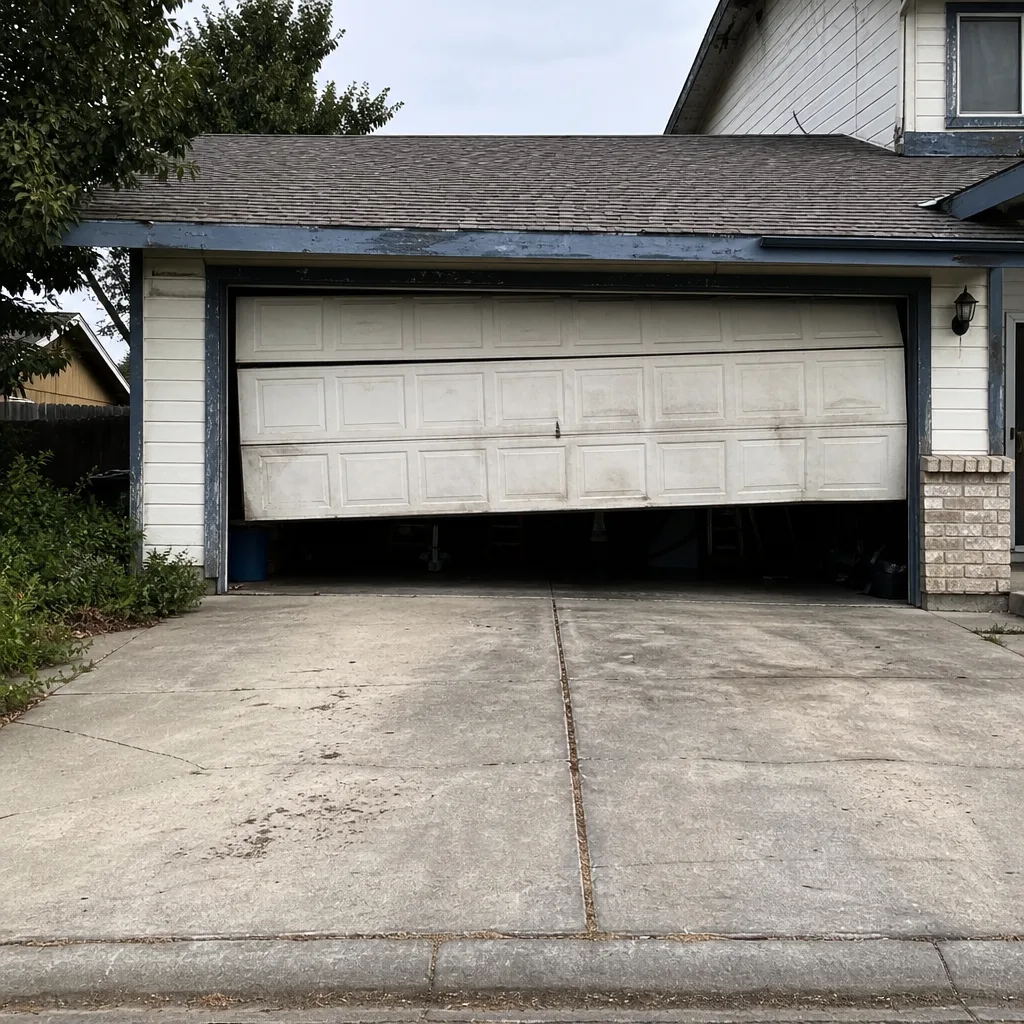 Before
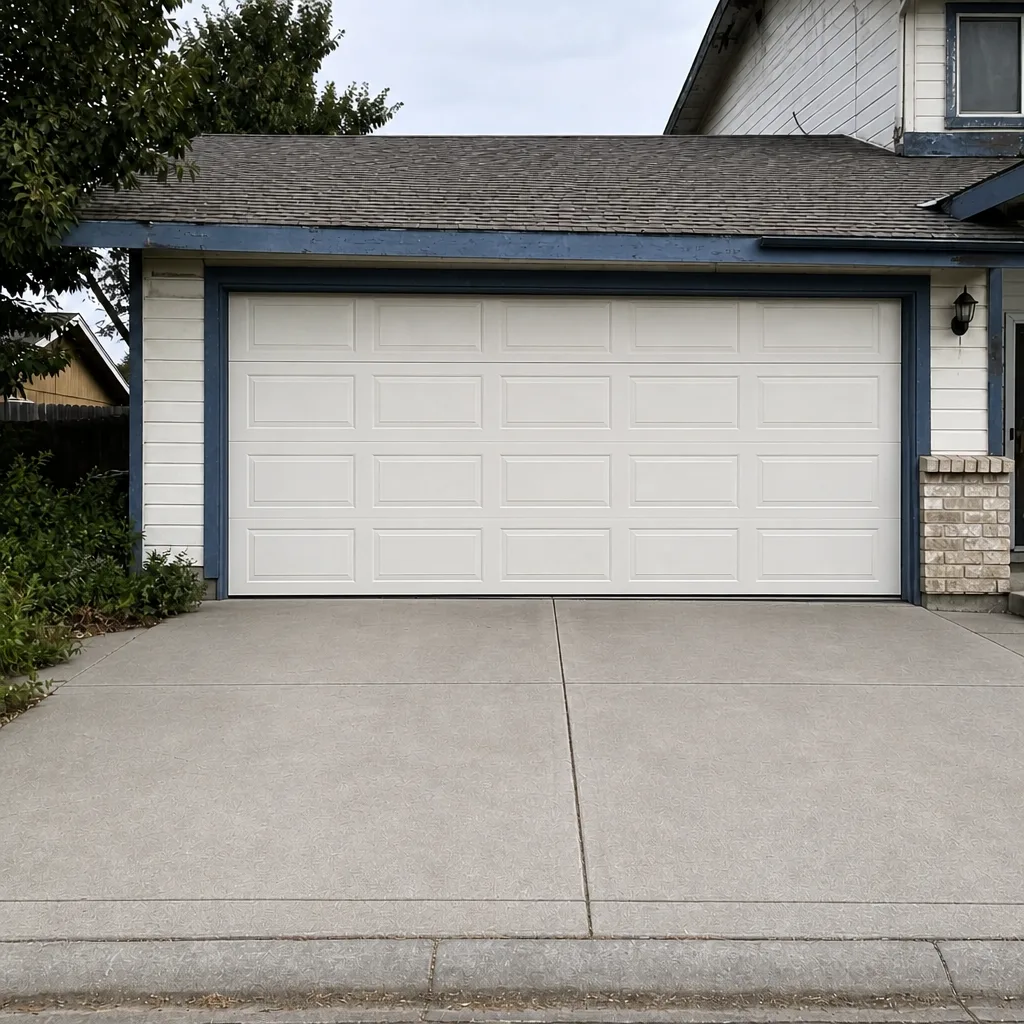 After
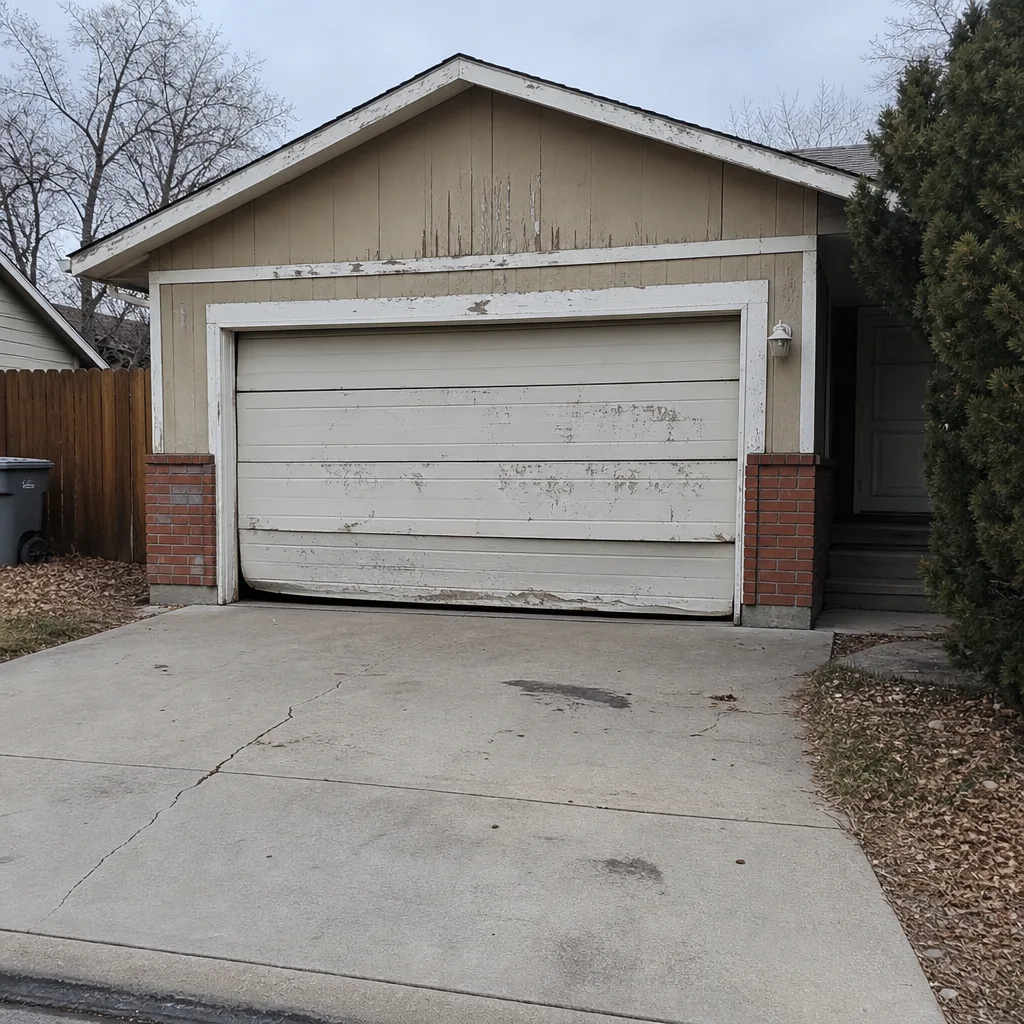 Before
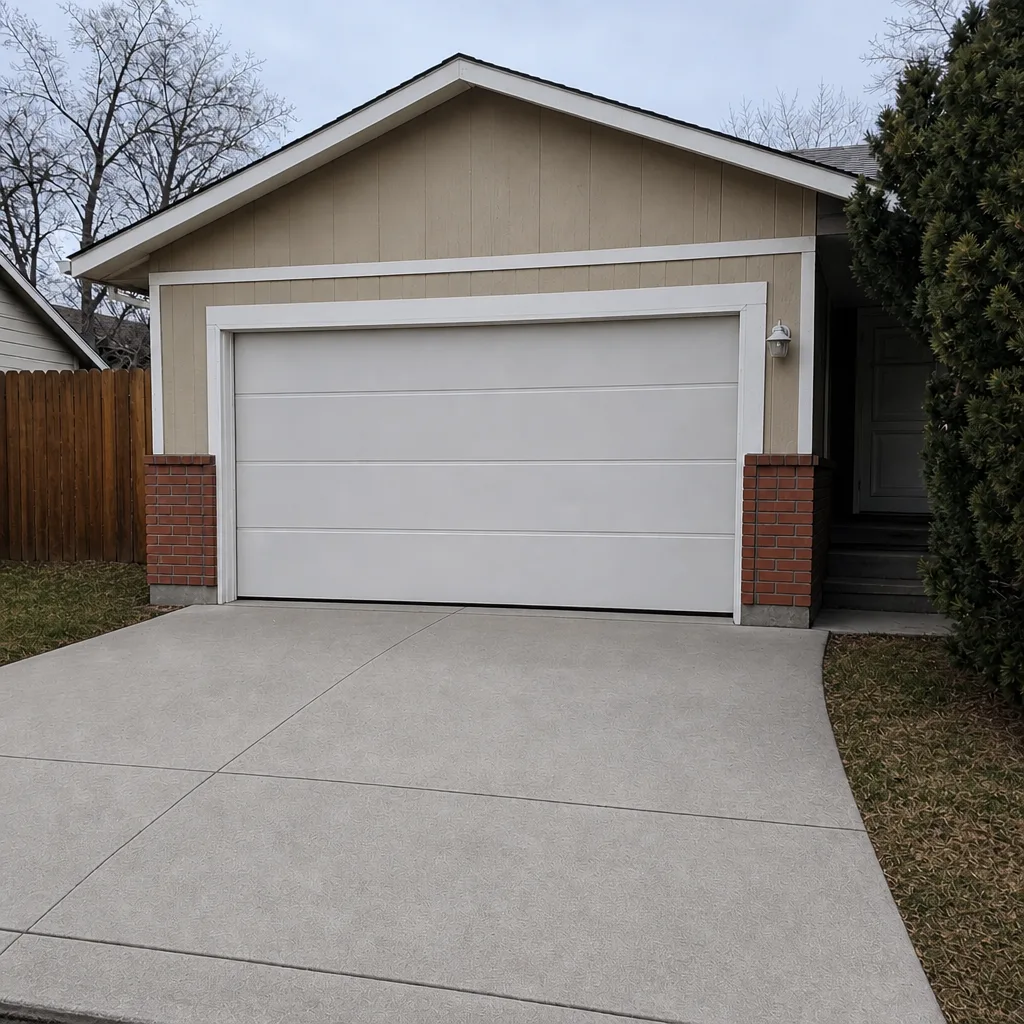 After
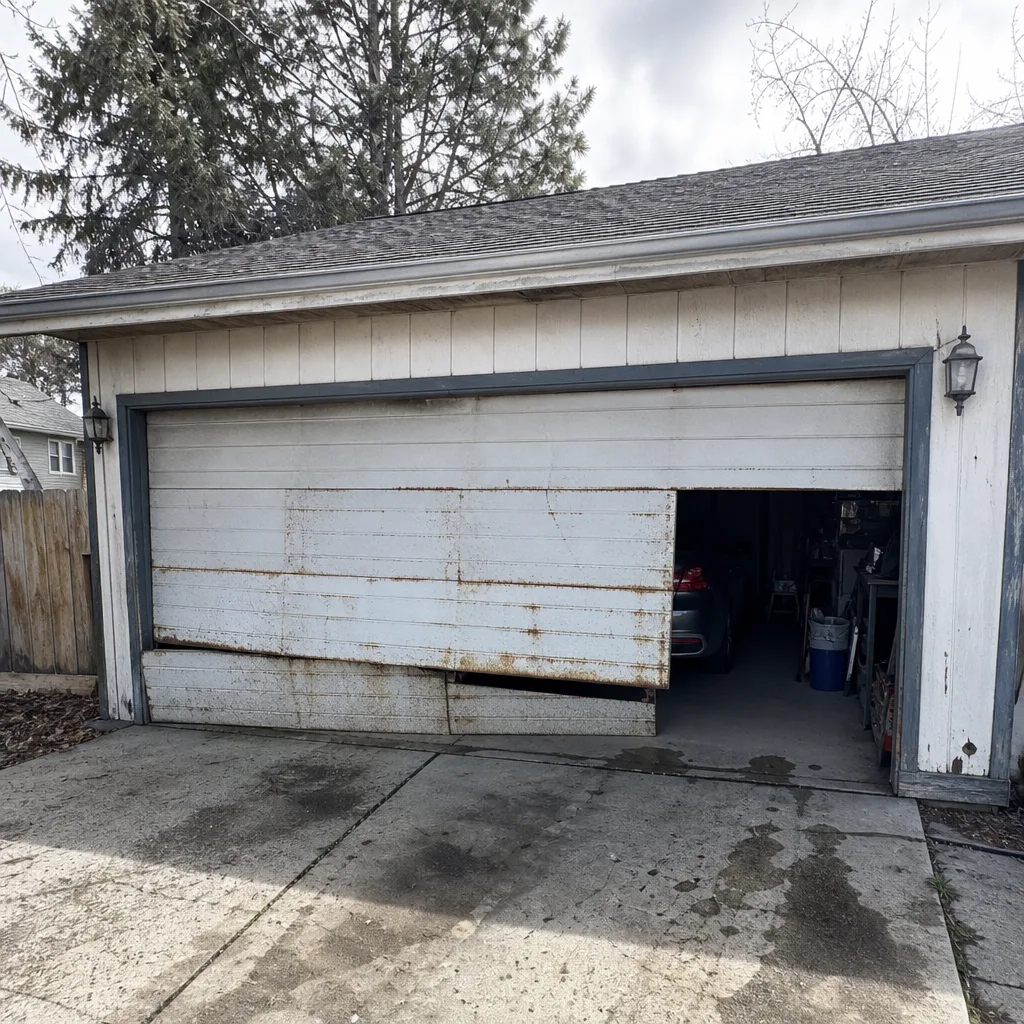 Before
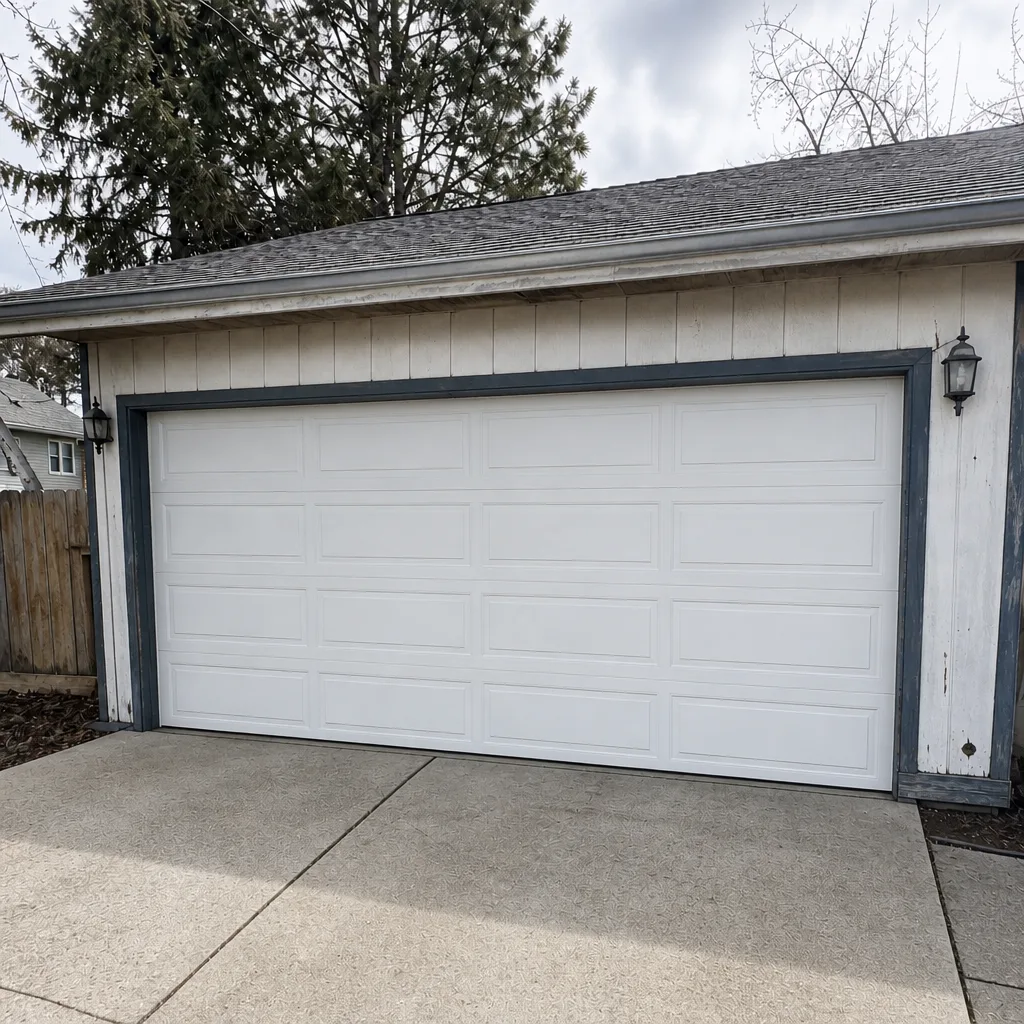 After
Common Mistakes to Avoid
- Choosing a door on looks alone. Style is a great starting point, but in Nampa’s climate a door that isn’t matched to our temperature swings and sun will fade or fight you long before it should.
- Ignoring the daily swing when buying insulation. Picking insulation based on annual-average temperature misses the point. The day-to-night range is what stresses the door and drives what you actually feel inside the garage.
- Treating springs as a DIY project. Springs and cables are under heavy tension and can injure you badly. Leave tensioning and replacement to a trained professional.
- Skipping lubrication because “it’s fine.” Fine dust works into rollers and hinges fast here. A dry mechanism wears much quicker.
- Assuming a high cycle rating means a long life in the real world. Manufacturer cycle figures come from controlled conditions. Dust, swing, and balance all pull the real number in a different direction.
- Picking an opener by feature count instead of fit. An opener that’s undersized for a heavier insulated door or mismatched to how often you use it strains and fails early.
- Letting a door run out of alignment. A door that’s slightly off will wear the same points again and again. Getting it balanced and aligned early saves money.
When to Call a Professional
Some issues are worth having checked even if the door still technically works. Call us if a spring has snapped or the door suddenly feels much heavier than before. Call if the door is grinding, squealing, or jerking as it moves. Call if it’s off its track, won’t close all the way, or reverses on its own for no clear reason. Call if your opener is refusing remotes, cycling oddly, or the door reverses without anything in the way. And call if you’re planning a new door and want the installation done right the first time. Garage doors are all we do, so the diagnosis is fast and the recommendation is straightforward. Nampa Garage Door Service offers free estimates in Nampa – call (866) 942-7318. We answer 24/7. Fast dispatch from 7am to 7pm, Sunday through Friday.
Frequently Asked Questions
Most garage door repairs in Nampa fall into a moderate range, and the exact price depends on the part and the complexity of the job. What matters more than the average number is that you get a written estimate before any work starts – that’s the price you pay, per job. Call (866) 942-7318 for an exact quote – estimates are free.
For repair and opener issues, same-day service is often possible. We answer 24/7, and we dispatch from 7am to 7pm, Sunday through Friday. Call (866) 942-7318 and we’ll find the soonest opening for your problem.
No – the price is quoted and agreed before any work starts. We inspect the door, explain what we find, and give you the written estimate up front. If something changes once work begins, we talk it through before doing anything extra. Call (866) 942-7318 for a free estimate.
Yes. Our technicians are licensed and insured, and our technicians have up to 12 years of experience working on garage doors and openers. That focus matters, because a garage door specialist diagnoses problems faster than a general handyman. Call (866) 942-7318 with any questions.
We work on all the major brands, including LiftMaster, Chamberlain, Genie, Clopay, Amarr, Wayne Dalton, Craftsman, and Raynor. That covers the vast majority of doors and openers a Nampa homeowner will ever own, and it means our recommendations are driven by what fits your situation, not a single product line.
It depends on the door’s condition, age, and how well it still performs through our seasons. A single failed part, a noisy opener, or an alignment issue is usually a repair. A door that’s warped, chronically binding, or worn out across its panels is often better replaced. We’ll tell you honestly which way makes sense – call (866) 942-7318 for a free estimate.
The Bottom Line
Garage door decisions in Nampa come down to matching the door, insulation, springs, and opener to our specific climate rather than to a generic average. In rough order: pick a durable material that holds a finish under our UV, insulate for the daily temperature swing and seal it well, expect springs and cables to need attention sooner than a controlled-condition label suggests, choose an opener that fits the door and how you use it, and insist on an installation that’s balanced, anchored, and sealed properly. Do those things and your door performs through the seasons instead of fighting them. Do them wrong and you’ll spend the difference on repairs. Garage doors are all we do, which is why the diagnosis tends to land faster and the recommendation tends to fit. When you’re ready to sort out a repair, an opener, or a new door, call (866) 942-7318 for a free estimate. You can also start with an overview of who we are at Nampa Garage Door Service, and if you’re getting to know the area, our page on Nampa is a good place to begin.
Written by the team at Nampa Garage Door Service.