
Last updated November 15, 2026
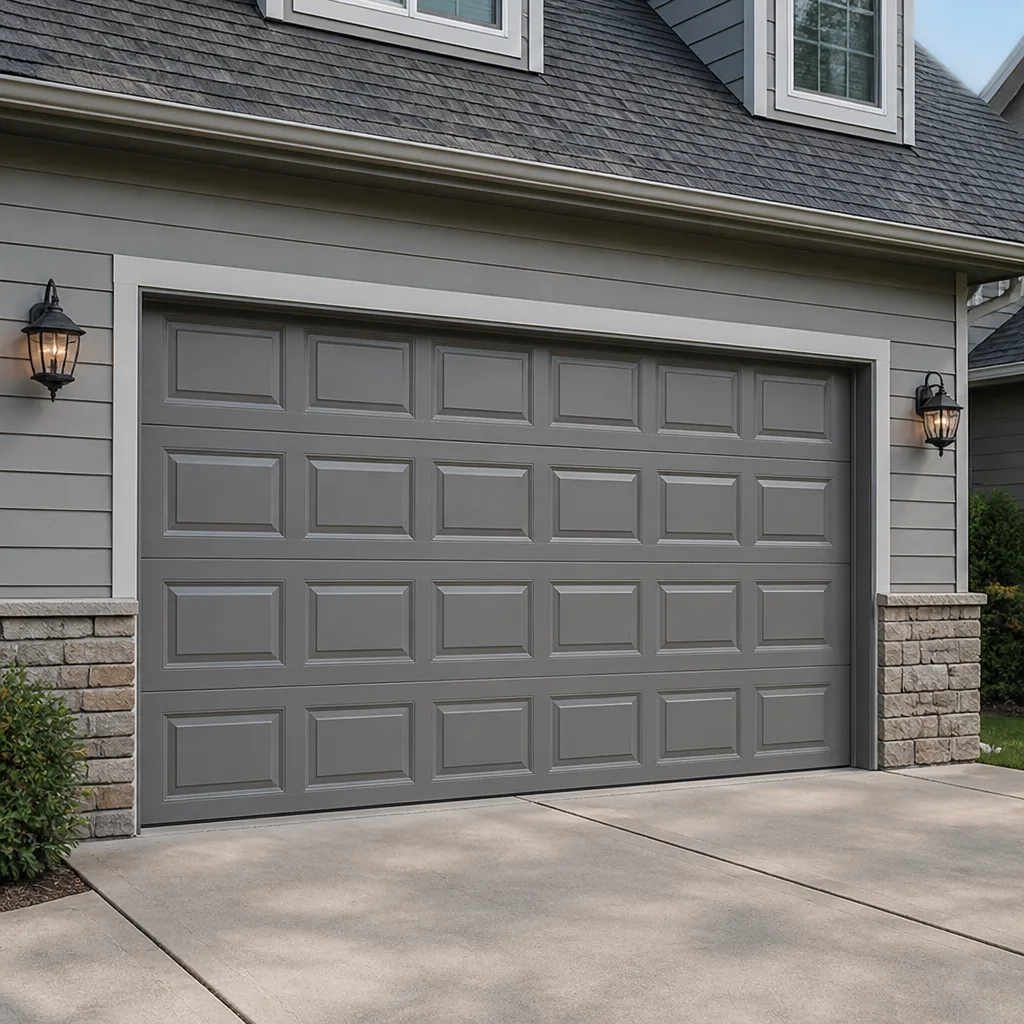 Raised-panel steel
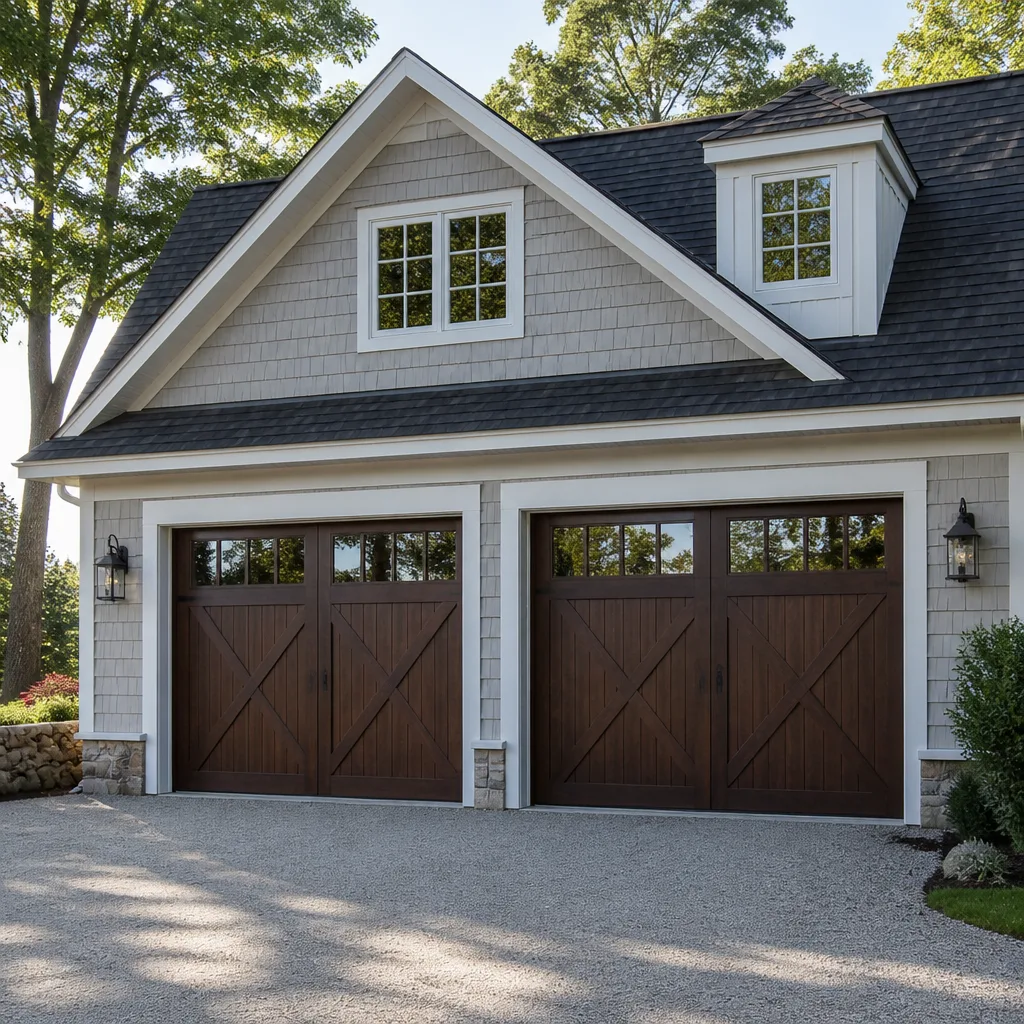 Carriage house
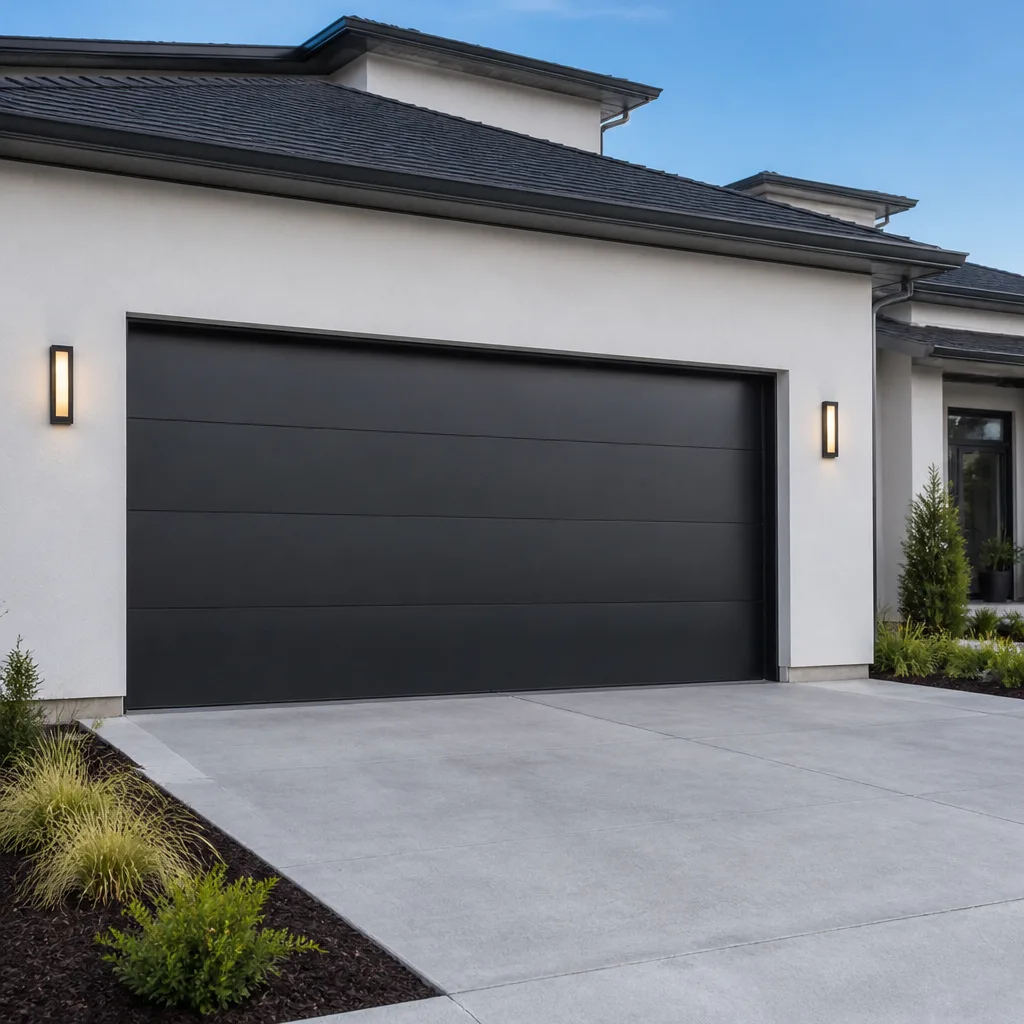 Modern flush
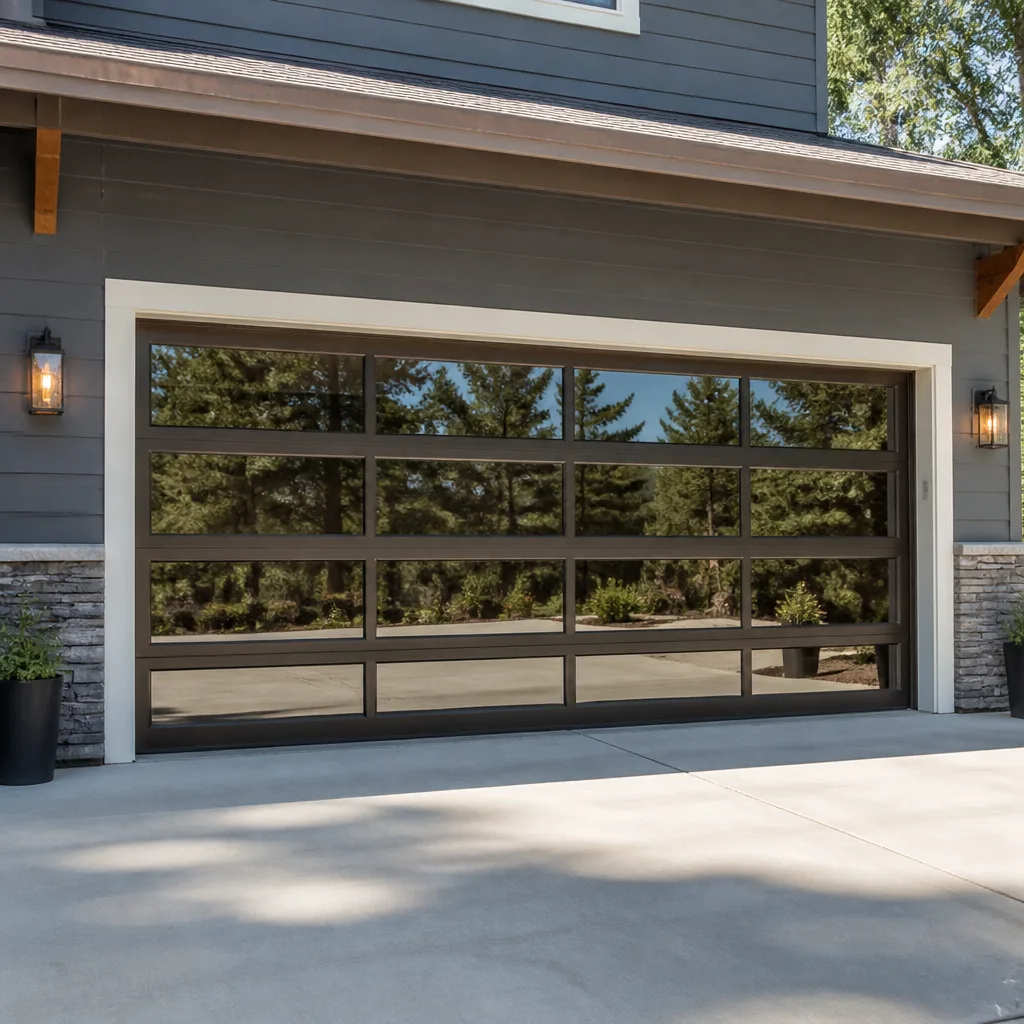 Full-view glass
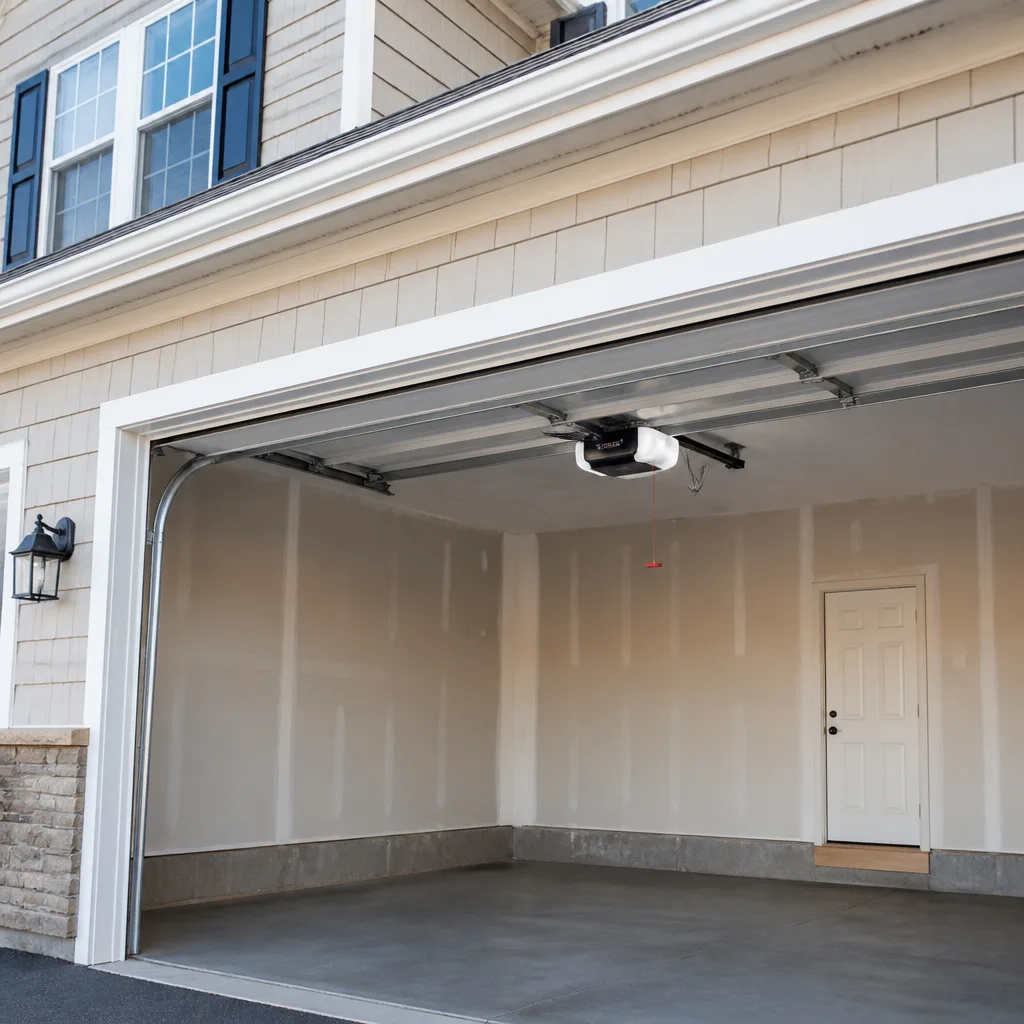 LiftMaster openers
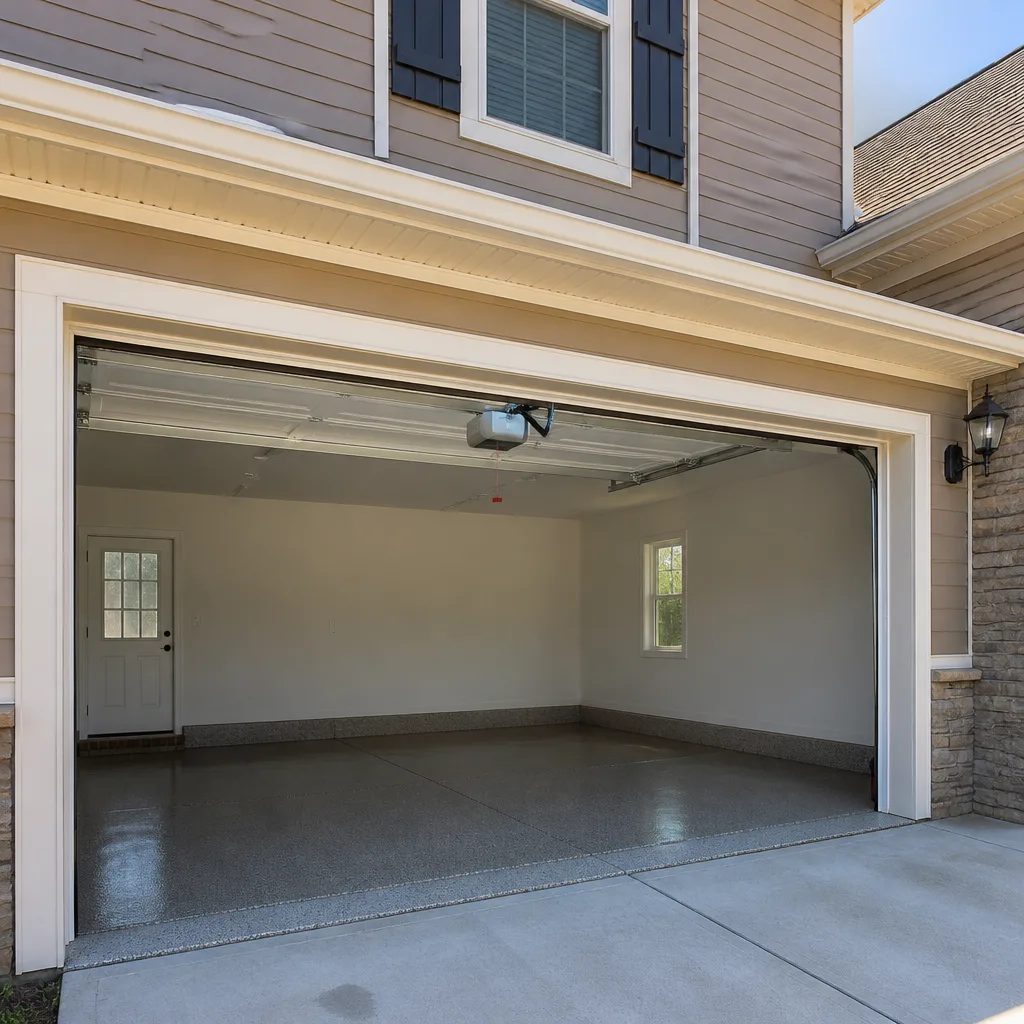 Chamberlain openers
Full 25-point door and opener safety check with every visit - springs, cables, rollers, tracks, and your LiftMaster or Chamberlain opener included
You get a price before we start. It does not change when the pro arrives.
Get your free estimateChoosing the Right Garage Door Brand: A Buyer’s Guide for Nampa
The brand printed on your garage door panel matters far less than whether a Treasure Valley distributor stocks that brand’s springs, hinges, and panels. A premium door from a brand with no local parts distribution means a two-week lead time every time something needs replacing, and something always eventually needs replacing. Most brand guides are written by people who’ve never hung a door, so they rank brands on brochure specs rather than what happens when a hinge bends or a bottom section dents. This guide evaluates the brands Nampa homeowners actually encounter on the criteria that hold up in a high-desert climate: finish durability under hard sun, parts availability through local distributors, insulation for a garage that doubles as a workshop, and what warranties actually cover.
Quick Answer
The best garage door brand for a Nampa home is the one with a distributor that stocks its panels, springs, and hinges locally, a steel gauge matched to how much wind-blown debris your street sees, and an opener ecosystem that fits what you already own or plan to add. For most Nampa homeowners, Clopay and Amarr deliver the strongest balance of local parts availability, dent resistance, and warranty coverage, while Wayne Dalton fits specific space and budget situations. Brand matters less than local serviceability, correct installation, and a written estimate that sets the final price before work begins.
Styles & brands we work with
- Raised-panel steel
- Carriage house
- Modern flush
- Full-view glass
- LiftMaster openers
- Chamberlain openers
Table of Contents
- Why Brand Reputation Matters Less Than Local Parts Availability in Nampa
- How Steel Gauge Ratings Translate to Real Dent Resistance
- Insulation and R-Value for a Nampa Garage Used as Workspace
- Finish Durability and What “Lifetime Paint Warranty” Really Covers
- Opener Brand Alignment: Matching Your Door to LiftMaster, Chamberlain, or Genie
- The Brands Nampa Homeowners Actually Own
- Side-by-Side Comparison: Clopay, Amarr, and Wayne Dalton
- A Step-by-Step Framework for Choosing Your Door
Why Brand Reputation Matters Less Than Local Parts Availability in Nampa
The first question we ask during a diagnosis isn’t which brand you bought, it’s whether that brand’s parts sit on a Treasure Valley shelf or have to travel from a factory. That distinction matters more in Nampa than in a coastal city where every brand has a dealer down the street. When a torsion spring snaps or a bottom panel takes a dent, the difference between a same-week fix and a two-week wait usually comes down to whether your brand has distributor stock in the valley.
Here’s what local availability actually looks like across the major brands we work on:
- Clopay and Amarr both have broad dealer and distributor networks across Idaho, meaning common parts like springs, hinges, rollers, and standard panel sizes can often be sourced without a factory order.
- Wayne Dalton is stocked regionally for common configurations, though some specialty panel profiles require ordering.
- LiftMaster, Chamberlain, Genie, and Craftsman openers have the deepest local parts coverage of any category we service, since these four brands account for the large majority of openers in Treasure Valley homes.
Brands with thin local distribution aren’t bad doors, they’re just harder to keep running. A custom panel profile from a manufacturer with no Idaho distributor can mean your door sits open while a replacement section crosses the country. In our experience, homeowners who ask “which brand has parts here” before “which brand is best” tend to have far fewer headaches over the life of the door.
This is the core reason we stay brand-agnostic and service multiple manufacturers rather than pushing one product line. If you’re already calling us for garage door repair, we’ll always tell you what we can source locally versus what needs ordering, before you commit to anything.
How Steel Gauge Ratings Translate to Real Dent Resistance
Steel gauge is the single numeric spec that most closely predicts how your door will look after a season of wind-blown debris, and you should know that lower gauge numbers mean thicker steel. A 24-gauge door is thinner than a 27-gauge door, and that difference shows up in dent resistance within a year or two in a Nampa neighborhood where wind carries gravel and blown debris down the driveway.
What the numbers mean in practice:
- 27-gauge is the thinnest steel used in residential doors. It’s fine for mild conditions but dents easily from a door-chuck, a mower-thrown rock, or a wind-blown branch.
- 25-gauge is a reasonable middle ground for a single-car door or a door that’s rarely left exposed to wind-blown debris.
- 24-gauge and heavier handles the daily wear of a two-car door on a corner lot where wind funnels down the driveway without showing every impact.
- 22-gauge and heavier is the durable end of the range and is worth considering for larger doors or households where children play near the driveway.
Insulation doesn’t add dent resistance to the exterior skin, only to the panel’s structure and thermal performance. A homeowner who wants both dent resistance and warmth should look at a thicker steel skin sandwiching a polyurethane core, rather than assuming insulation alone equals durability.
One more note: steel thickness is the wrong metric for wood-look fiberglass or aluminum doors, which some Nampa homeowners choose for character. Those materials resist dents differently and should be evaluated on the finish warranty and the local availability of matching panel sections, not on steel gauge.
Insulation and R-Value for a Nampa Garage Used as Workspace
R-value measures how well a door resists heat transfer, and it becomes a much more relevant number when your garage is an attached, heated workspace rather than a three-season storage room. A large share of Nampa homeowners use their attached garage as a winter workspace, a home gym, or a hobby area, which flips the priority from “how it looks” to “how warm it holds.”
Here’s how the insulation tiers compare across brands:
- Non-insulated steel is the baseline. It blocks wind and looks fine but transfers outside temperature straight through the panel. Not practical for a workshop.
- Polystyrene-core doors are the entry-level insulated option. They handle the cold but tend to transmit more cold into the door hardware and don’t hold a warm space as well over long hours.
- Polyurethane-core doors offer the highest insulation per inch. If you heat your garage during winter, this is the tier to price out, and Clopay and Amarr both offer strong polyurethane options.
- Full sandwich construction with sealed edges keeps the core from picking up moisture, which matters when the door faces a hard-sun afternoon and cold nights in the same week.
Insulation also affects how the door operates. A heavier insulated door needs a spring system engineered for the added weight, and if a spring was sized for a non-insulated door it will wear out faster and the opener will strain. When we install an insulated door, we match the torsion system and the opener’s horsepower to the door’s actual weight rather than the model name.
For an attached garage that shares a wall with a kitchen or bedroom, insulation does double duty: it keeps the workshop warm when you’re in it and keeps garage heat from leaking into heated living space when you’re not. If your garage is a standalone structure with no heat, insulation matters less and you can put that budget into steel gauge or finish instead.
Finish Durability and What “Lifetime Paint Warranty” Really Covers
Every major brand offers some form of “lifetime paint warranty,” and the wording of that warranty is worth reading line by line before you decide. In a high-desert climate at Nampa’s elevation and sun angle, paint finish is subjected to harder UV exposure than the flat-light advertising photos of these doors suggest. What the warranty actually covers, and what it doesn’t, separates a real finish from a fading one.
Here’s what the fine print usually does and doesn’t cover:
- Fading or peeling on the painted surface is covered on most brand warranties, but only if the color change exceeds a defined threshold (often several “just noticeable difference” shades), which homeowners rarely measure before calling.
- Faulty installation is almost universally excluded. A door hung out of level so water pools at one edge voids paint coverage on the lower section.
- Damage from the environment (hail, wind-blown debris, sprinkler spray, or an overhanging tree) is excluded. That’s why a garage door on a Nampa property with a cottonwood nearby gets more finish wear than one on an open lot.
- Color-matched touch-up paint is often the brand’s first remedy, not panel replacement. It’s a practical solution but it’s worth knowing up front.
Color choice affects finish longevity too. Dark colors absorb more solar heat and can accelerate panel surface heat cycling on a west-facing door that takes full afternoon sun. Lighter, factory-finished colors tend to hold their appearance longer on the same door.
Our advice: ask for a written copy of the finish warranty at the point of sale, and keep it with the door paperwork. When a warranty claim comes up years later, having the original terms in hand makes the difference between a resolved claim and a dead end. Repainting a lower section as a routine maintenance job is far cheaper than replacing panels out of warranty.
Opener Brand Alignment: Matching Your Door to LiftMaster, Chamberlain, or Genie
Your door and your opener need to be sized for each other, and the brand of opener you run is a bigger factor in how the pair performs than most buyers expect. LiftMaster and Chamberlain share a great deal of engineering lineage, which is why one ecosystem fits both, while Genie runs its own platform. Your garage door brand doesn’t lock you into an opener brand, but the door’s weight and balance do set the minimum lift force the opener has to deliver.
What this means in practice:
- LiftMaster and Chamberlain are the most common pairings we see in Nampa homes. They integrate easily with modern smart-home controllers, and both are widely stocked locally, so a replacement motor or remote rarely means a wait.
- Genie is its own ecosystem, meaning a Genie remote won’t pair with a Chamberlain opener and vice versa. If you later add a smart-home hub, check that it supports the opener’s protocol before you buy.
- Legacy openers (the ones dating to before the smart-home era) still run fine on most doors, but replacement remotes and safety sensors can be harder to source for older brands. In this case, a service call to sort compatibility is often cheaper than guessing.
Balance is the other half of the equation. A well-balanced door moves with minimal force, and that means the opener isn’t fighting gravity every time it opens. An insulated door paired with an undersized opener works harder and fails sooner, no matter what brand is printed on either component.
When you’re ready to repair or upgrade an opener, start with garage door opener repair before you assume the whole motor needs replacing. A sensor misalignment or a worn drive gear is often the only issue, and it’s a much smaller job than a full swap.
The Brands Nampa Homeowners Actually Own
Most garage doors in Nampa fall into a handful of brands, and knowing which one you own makes every future repair faster. We regularly work on Clopay, Amarr, Wayne Dalton, Raynor, LiftMaster, Chamberlain, Genie, and Craftsman, and each has quirks worth knowing before you buy or service one.
Here’s a quick run-down of what each brand tends to be known for:
- Clopay is one of the most common brands across residential doors in the Treasure Valley. Broad distributor coverage means common parts and panels are easier to source locally, and their polyurethane insulated models hold up well in a heated garage.
- Amarr offers comparable steel gauge and insulation options, with strong local availability and a reputation for value on both standard and carriage-house styles.
- Wayne Dalton is well suited to tighter space situations and offers a range of styles, including their popular wood-look models. Space-saver configurations matter where the ceiling height is limited, which happens in older Nampa neighborhoods.
- Raynor is a solid mid-tier option with reliable hardware, though some parts require ordering through their network rather than picking them up same-day.
- LiftMaster and Chamberlain dominate the opener side, and both are readily serviceable with parts on hand locally.
- Genie and Craftsman are common in mid-range homes, and both are serviceable but occasionally need specific remotes or sensors ordered.
You don’t need to memorize these brands to make a good choice. You need to check which ones have local service and parts coverage before you commit, and that’s the question we always answer first. If you’re not sure what brand your door is, we can identify it on-site and tell you upfront what a repair would cost.
Side-by-Side Comparison: Clopay, Amarr, and Wayne Dalton
For most Nampa homeowners, the decision comes down to a balance of local parts, insulation, and dent resistance, and three brands cover that decision well. Here’s how they stack up across the criteria that matter:
- Clopay: broad local distribution, strong polyurethane insulation options, wide range of styles and gauges, good finish warranty coverage on factory paints.
- Amarr: competitive steel gauge and insulation, value-oriented pricing on standard models, solid local availability and clarity on panel profiles that can be sourced locally versus ordered.
- Wayne Dalton: space-saver and wood-look styles, steady local coverage, some specialty panels require ordering, good fit for tighter ceiling configurations in older Nampa homes.
None of the three is universally “best.” A single-car door on a shaded, sheltered lot may be best served by the lightest, most affordable option that fits. A two-car door on a windy corner, with a heated garage behind it, needs heavier steel, a polyurethane core, and a brand whose panels sit on a shelf nearby.
Here’s how a typical install decision breaks down in order of importance:
- Match gauge to your exposure. Wind-exposed lots with debris get thicker steel.
- Match insulation to your garage’s real use. Heated workshop means polyurethane; three-season storage is fine with entry-level or non-insulated.
- Check local parts coverage. Ask the installer what happens when a panel or spring needs replacing. If they can’t answer, ask again.
- Confirm the opener pairing. Your existing opener’s brand and horsepower set the door’s weight ceiling.
- Get a written estimate. The price quoted and agreed before work starts is the price you pay.
Repairing what you already have is often the smarter move than replacing a working door for a brand upgrade. If a door is still solid, service it and save the brand decision for when you genuinely need a new one.
A Step-by-Step Framework for Choosing Your Door
If you’re replacing a door from scratch, the right sequence of decisions avoids the expensive mistake of picking a brand and style first and figuring out everything else last. Use this order:
- Measure your opening and ceiling clearance. Note the width, height, and how much space sits above the door. This determines which doors and opener types are even possible.
- Decide the garage’s real function. Storage, workspace, or living-adjacent room. That answer drives insulation and gauge more than any brand spec sheet.
- Look at what your neighbors’ doors look like. Not to copy them, but to note which brands’ panels actually hold their finish a few years in. In our experience, a door panel that’s been up four or five years tells you more than a brochure.
- Check local parts coverage for two or three brands. Ask the installer which common parts are stocked locally and which need ordering.
- Confirm opener compatibility and smart-home integration. If you own a Chamberlain or LiftMaster and want to keep it, even with a new LiftMaster-style system added later, the door weight ceiling matters.
- Get everything in a written estimate. Door, hardware, opener, spring sizing, and installation should all be itemized, and the price locked in before work begins.
Step five is where people most often get surprises. A homeowner upgrading from a non-insulated door to a polyurethane door may find their existing opener was barely sized for the old door’s weight. We check this before quoting so the estimate reflects what’s actually needed, not just the door.
Common Mistakes to Avoid
- Choosing a brand with no local parts coverage. A premium door from a manufacturer without a Treasure Valley distributor means every spring, hinge, or panel replacement waits on a factory order. Check local availability before you fall for the style.
- Assuming “insulated” always means warm. Polystyrene and polyurethane cores perform very differently. A garage used as a workshop in a Nampa winter deserves polyurethane, not the cheapest insulated option.
- Buying the door before confirming your opener’s horsepower. A heavy insulated door paired with an undersized opener wears out the opener’s motor and drive gear well ahead of schedule. Match them together.
- Trusting “lifetime paint warranty” without reading the exclusions. Installation faults, environmental damage, and color-change thresholds are where most claims end. Keep the written warranty.
- Skipping the level check at install. A door hung out of level lets water pool and voids paint coverage. It also strains the opener long-term.
- Ignoring your wind exposure. A door on an open, windy lot needs thicker steel than the same door on a sheltered one. Gauge is not a luxury upgrade, it’s a wear item.
- Replacing a serviceable door for a brand upgrade. If the door is solid and balanced, a repair gets you years more. Save the brand decision for when the door is genuinely done.
See the difference
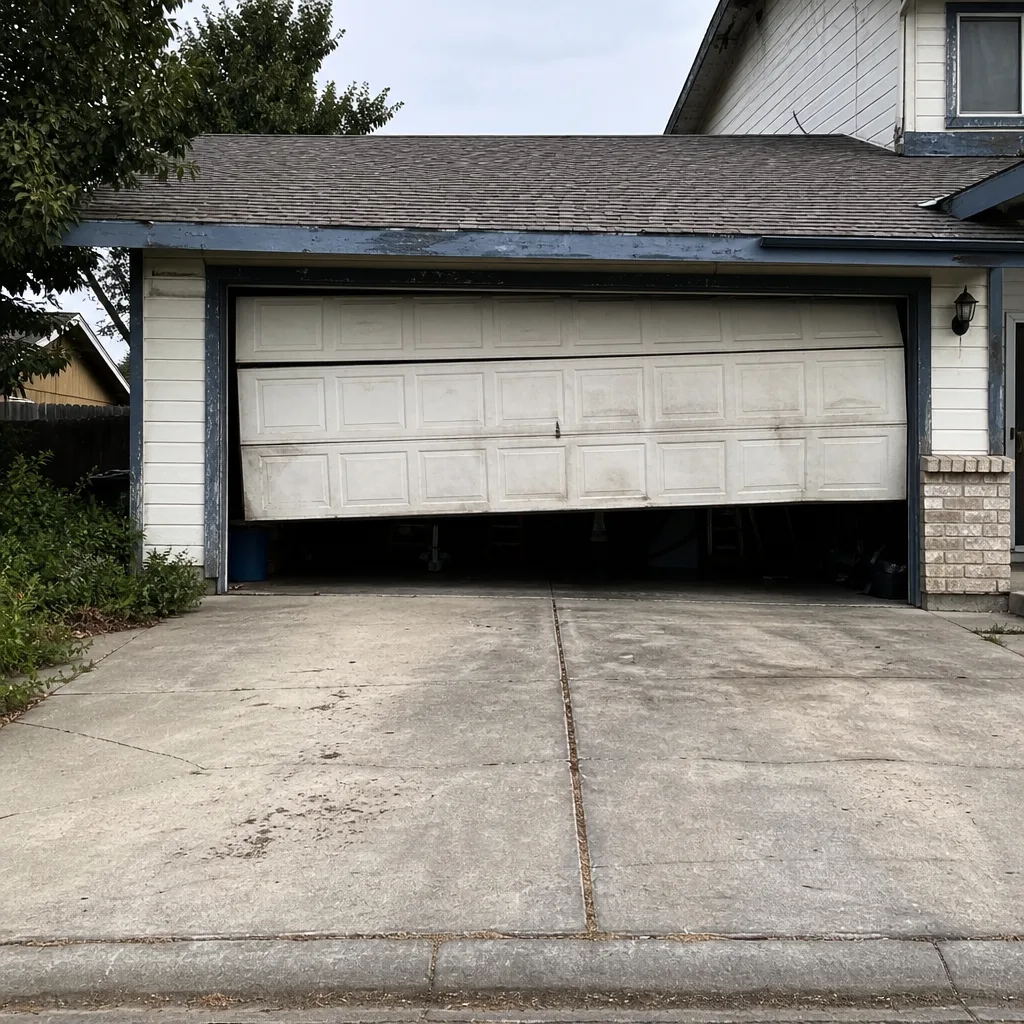 Before
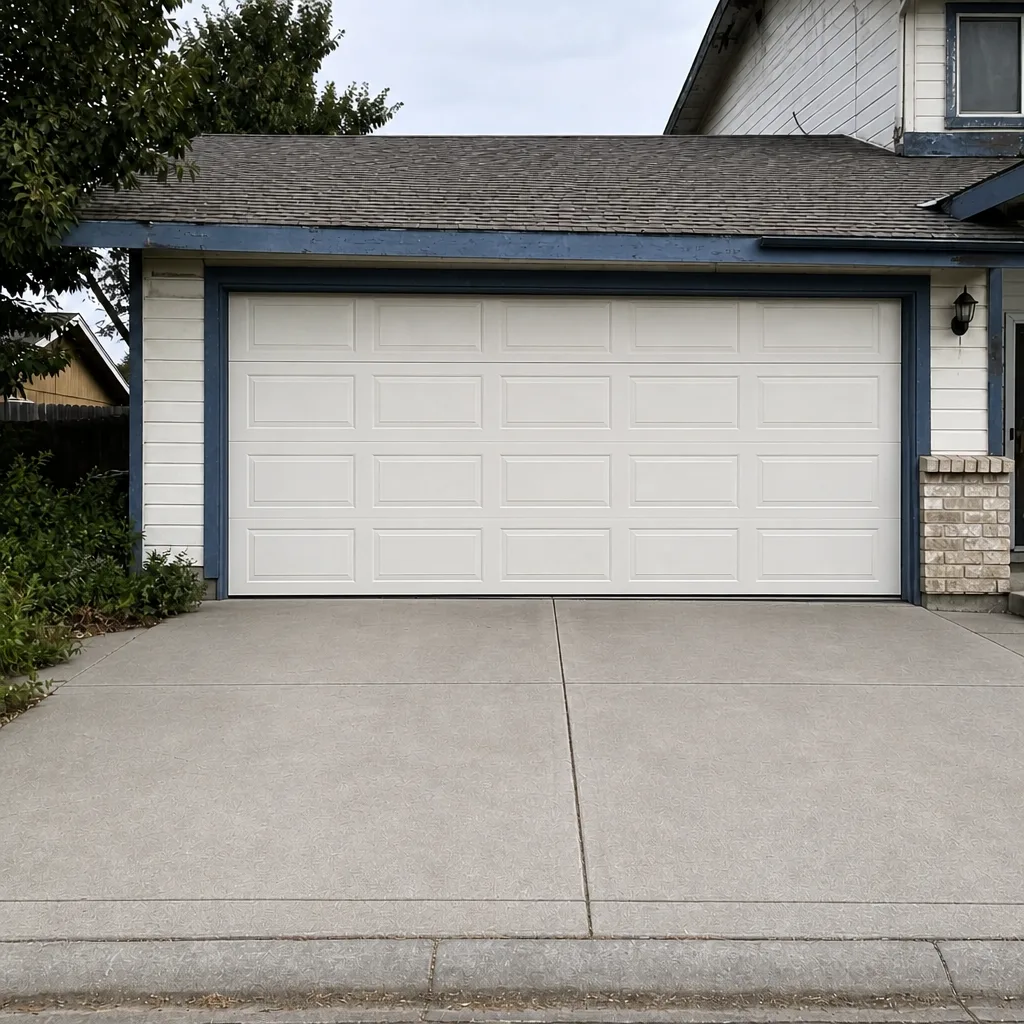 After
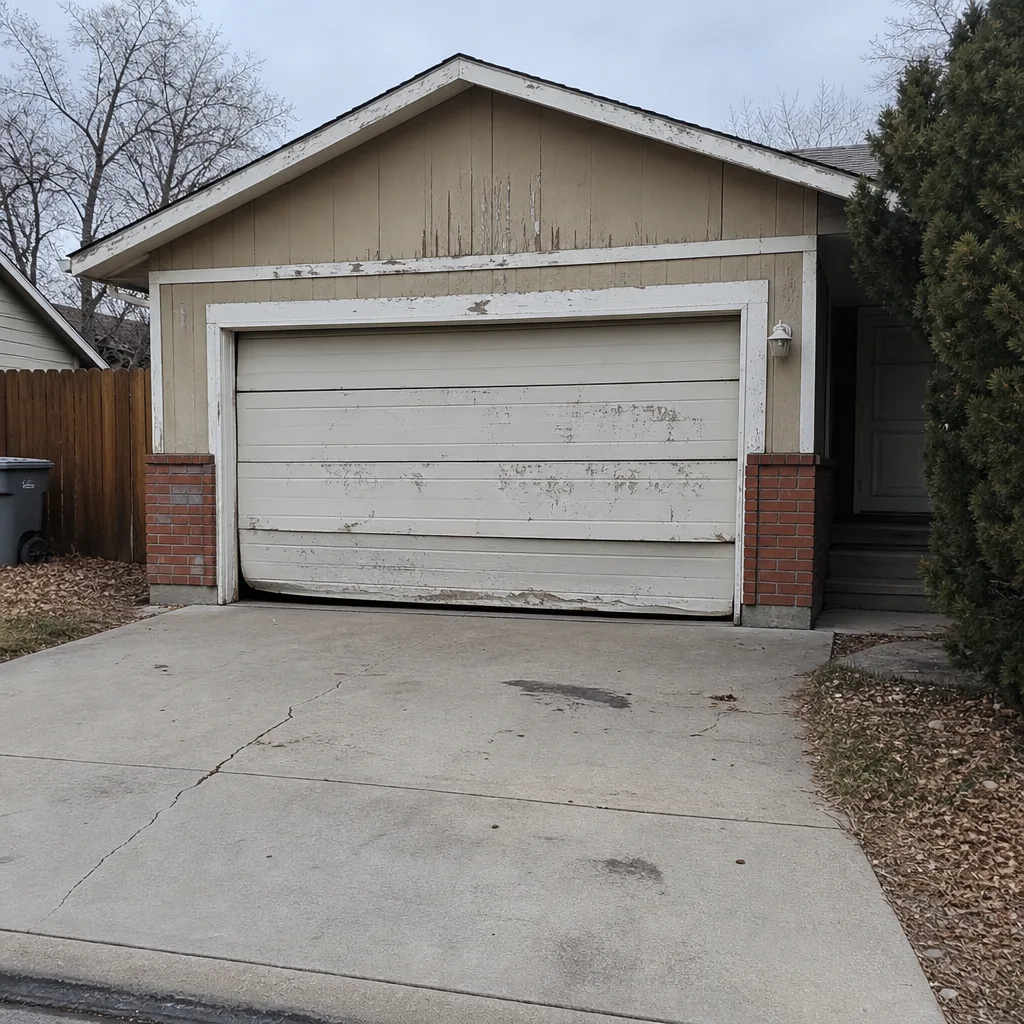 Before
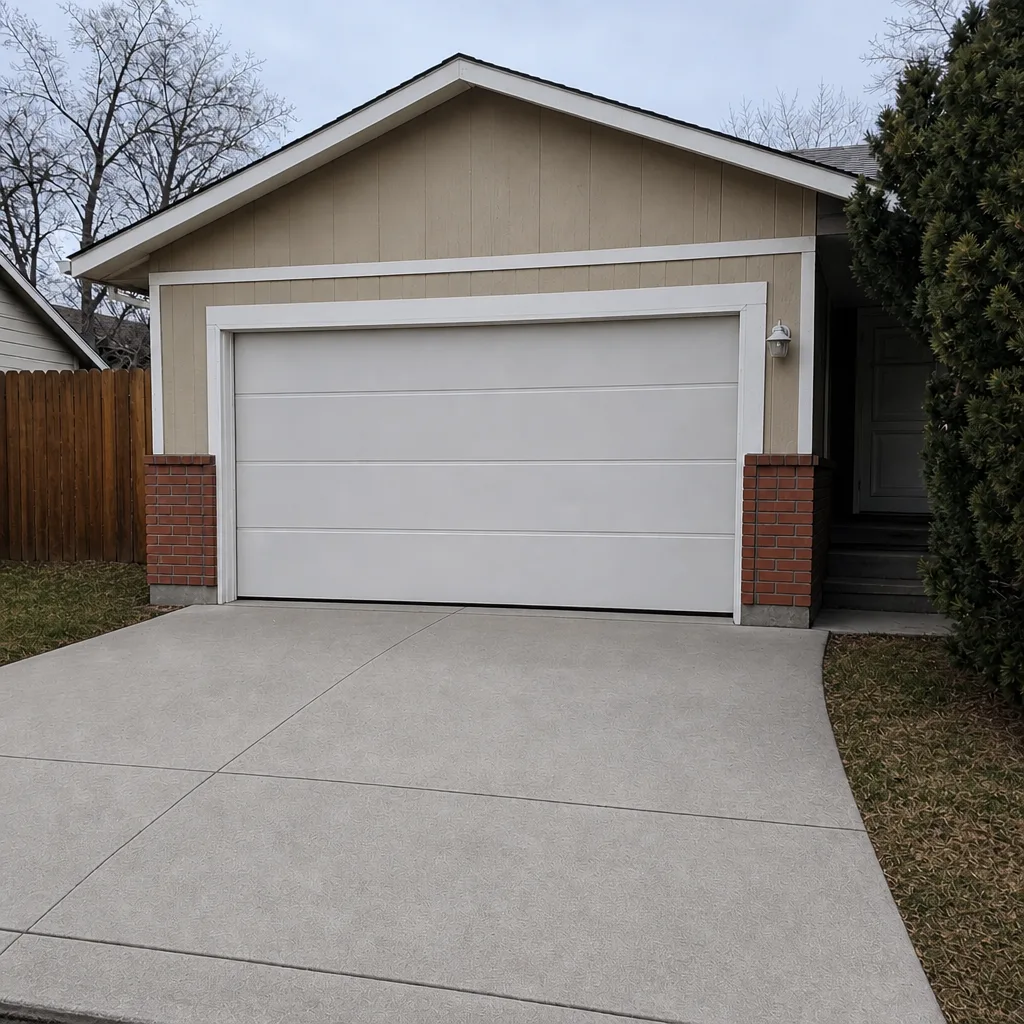 After
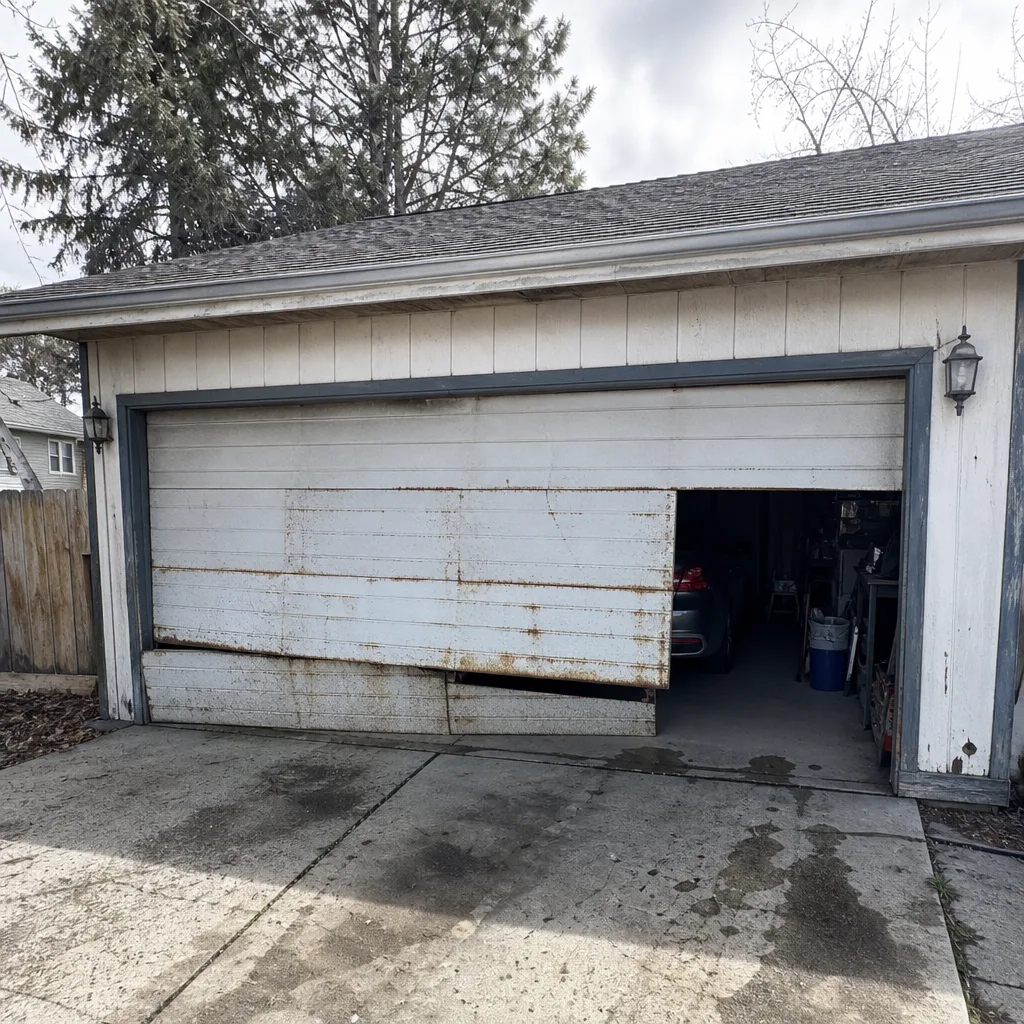 Before
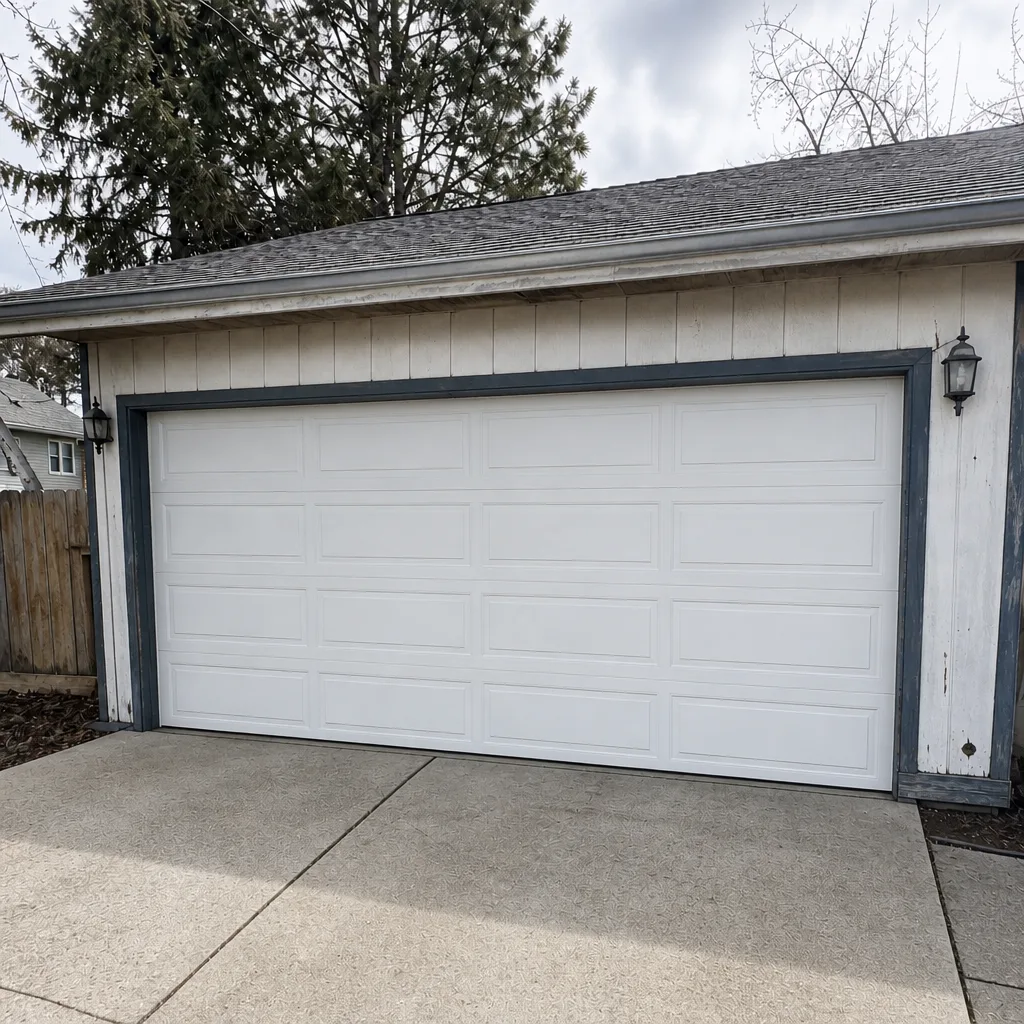 After
When to Call a Professional
Some decisions are well worth a call before you buy. If you’re choosing between brands and want to know what’s actually stocked locally, we can tell you which panels, springs, and hinges can be sourced from a Nampa-area distributor versus ordered. If you’re weighing insulated versus non-insulated and want a real answer about whether your garage is warm enough in winter for how you use it, we’ll walk through it with you.
If your existing door is out of balance, noisy, or binding, that’s a diagnostic call before it becomes a replacement cost. Springs, cables, and torsion assemblies carry stored energy that can injure a homeowner badly, so we never recommend DIY on those components. Our technicians have up to 12 years of experience with doors and openers across all the brands we service.
Nampa Garage Door Service offers free estimates in Nampa. We answer 24/7, with fast dispatch from 7am to 7pm, Sunday through Friday. Call (866) 942-7318 to talk through your options.
Frequently Asked Questions
For most Nampa homes, Clopay and Amarr offer the best balance of local parts availability, dent resistance, and warranty coverage. The right choice depends on your garage’s real use, your wind exposure, and whether your opener can handle the door’s weight. Call (866) 942-7318 for a free estimate – we’ll tell you what’s actually stocked locally.
You need an insulated door if your attached garage doubles as a heated workspace or shares a wall with living space. If the garage is a three-season storage room, non-insulated or entry-level insulation is fine. Polyurethane-core doors hold warmth better than polystyrene and are worth the upgrade for a workshop.
Your existing opener will work with a new door if its horsepower is rated for the door’s weight, and that depends on whether you’re moving to a heavier insulated door. A LiftMaster or Chamberlain that handled a non-insulated door may need a higher-rated motor for a polyurethane-sandwich door. Always confirm this in the estimate.
It typically covers fading or peeling on the factory finish, but only if the color change exceeds a defined threshold, and it excludes installation faults and environmental damage. Wind-blown debris, sprinkler spray, and hail are usually excluded, so ask for the written warranty terms before you buy.
Ask your installer directly which common parts (springs, hinges, rollers, and standard-sized panels) can be sourced from a Treasure Valley distributor and which require a factory order. Brands with broad local coverage are easier to keep running. Nampa Garage Door Service works across eight major brands and will tell you upfront what’s local. Call (866) 942-7318 for an exact answer.
Yes, we work with licensed and insured independent local professionals, and we’ll confirm current credentials on request. Estimates are free, and the price quoted and agreed before any work starts is the price on the final invoice.
The Bottom Line
The garage door brand matters most through the lens of local serviceability, and less through the spec sheet. In Nampa, that means prioritizing brands with Treasure Valley distributor stock, steel gauge sized to your wind exposure, insulation matched to whether the garage is heated, finish warranties read before purchase rather than after, and an opener pairing that fits both the door’s weight and the smart-home ecosystem you use.
Clopay and Amarr fit most situations well, Wayne Dalton serves specific space needs, and LiftMaster, Chamberlain, and Genie anchor the opener side. If you’re unsure which brand or model fits your actual garage, get a free estimate and a written quote before you commit. Nampa Garage Door Service is a specialized garage-door company: Nampa Garage Door Service handles repair, opener repair, and full installation across every major brand. Call (866) 942-7318 to get started. We answer 24/7, with fast dispatch from 7am to 7pm, Sunday through Friday. For the broader picture on Nampa homes and how we serve them, we’re glad to help.
Written by the team at Nampa Garage Door Service.