
Last updated November 15, 2026
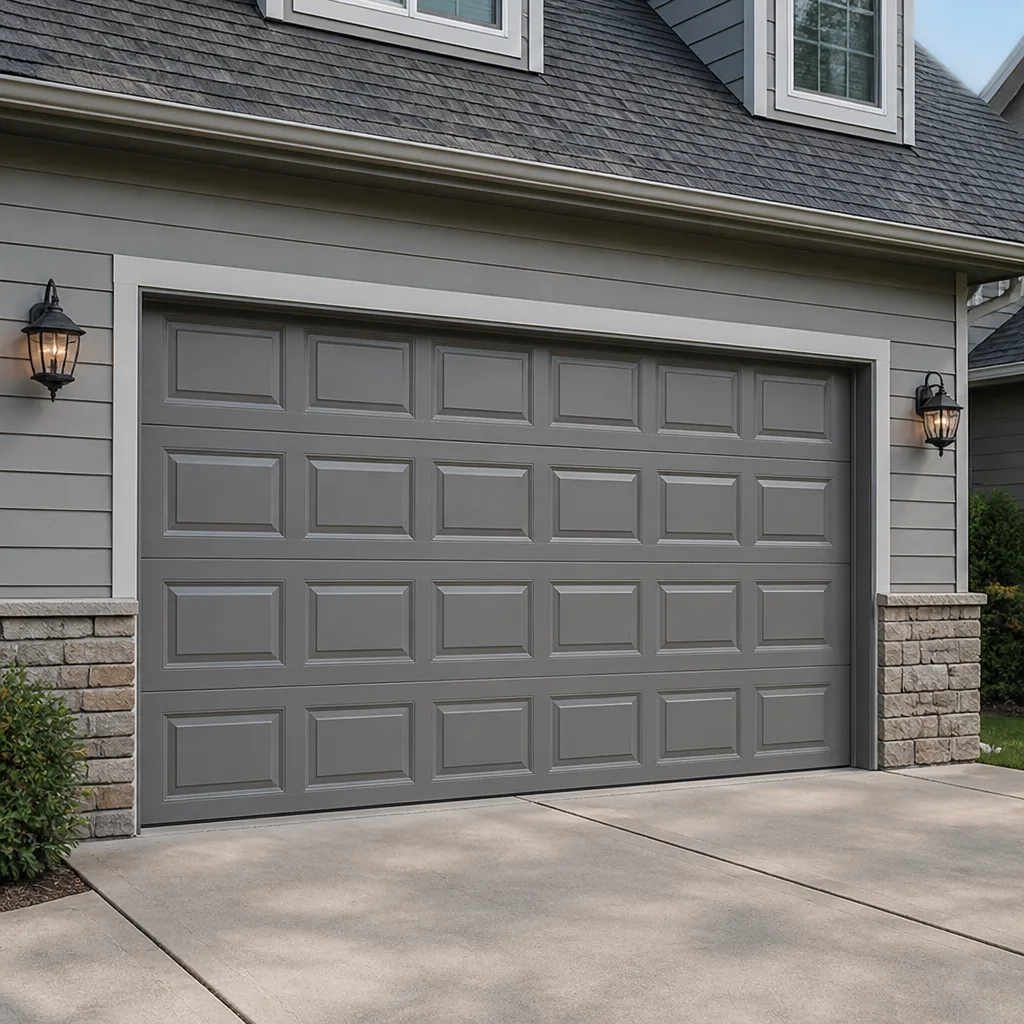 Raised-panel steel
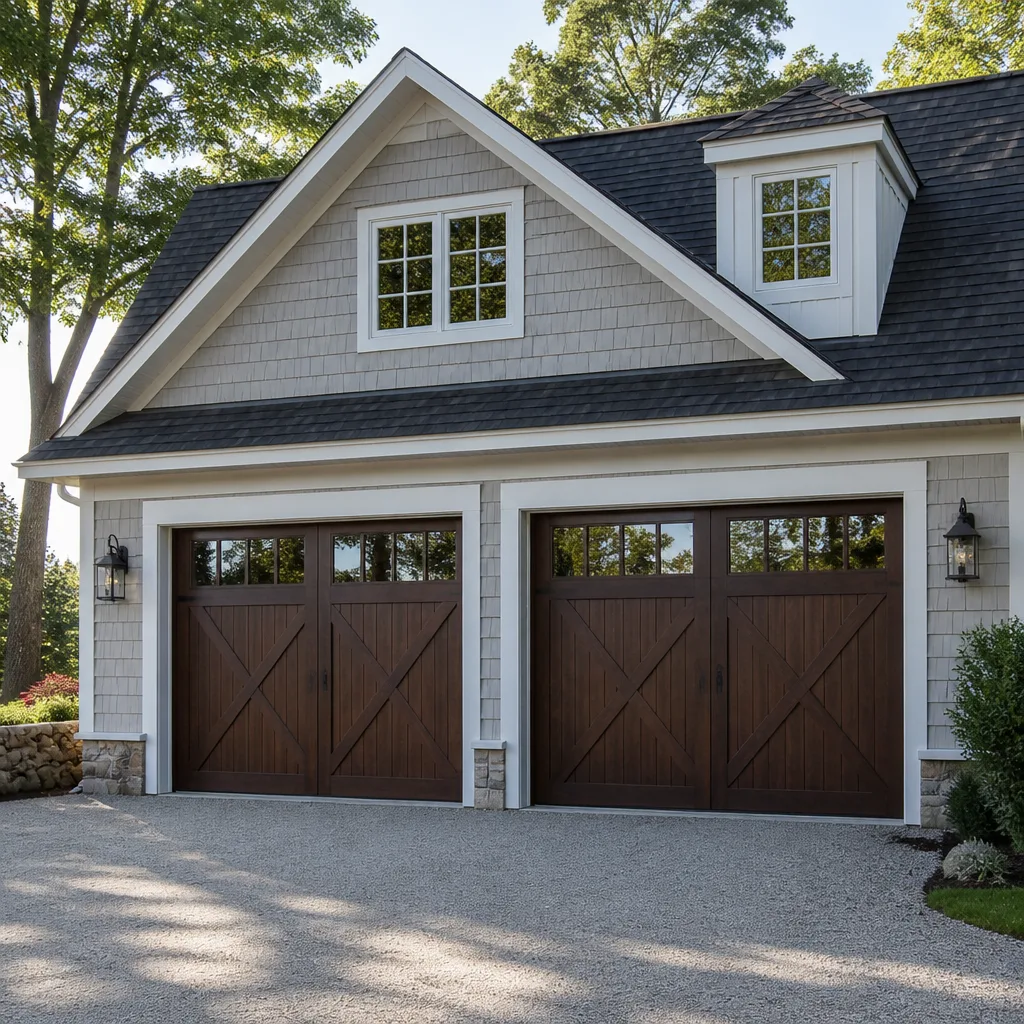 Carriage house
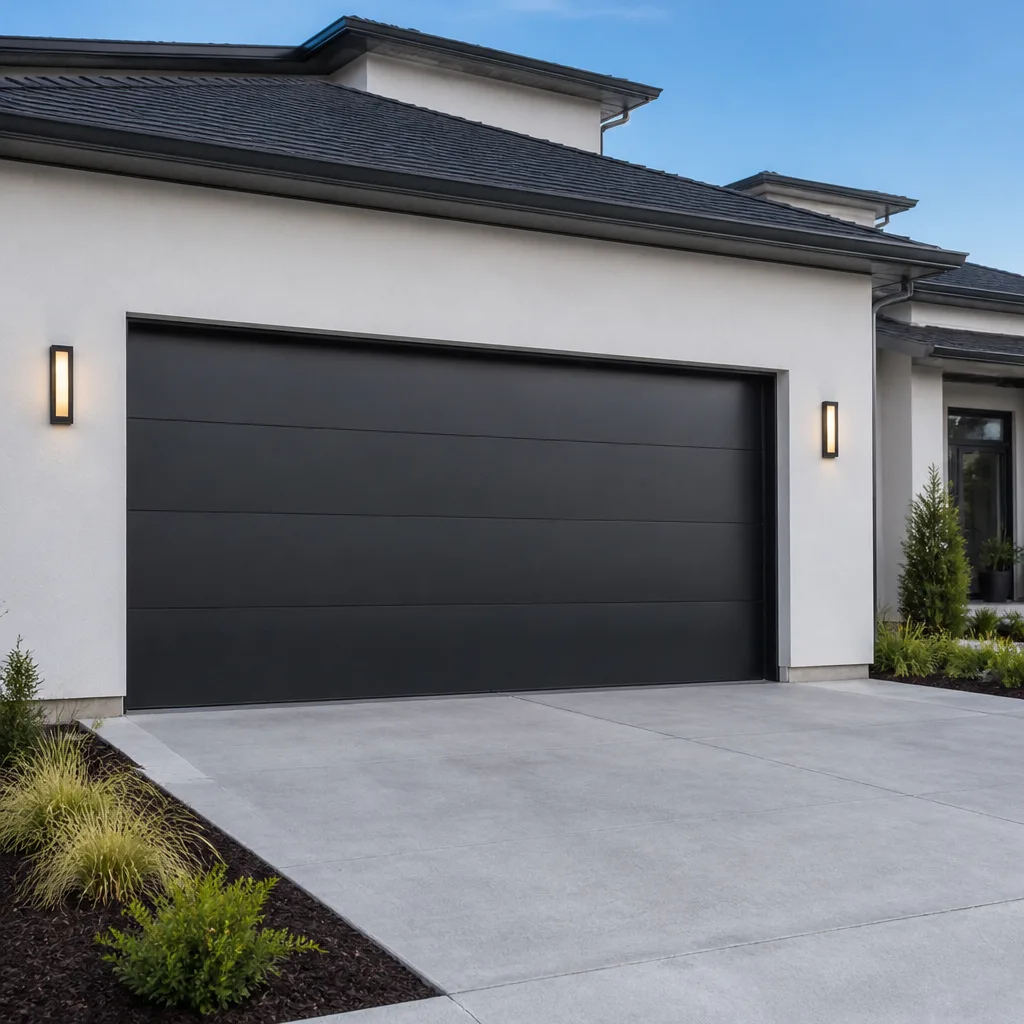 Modern flush
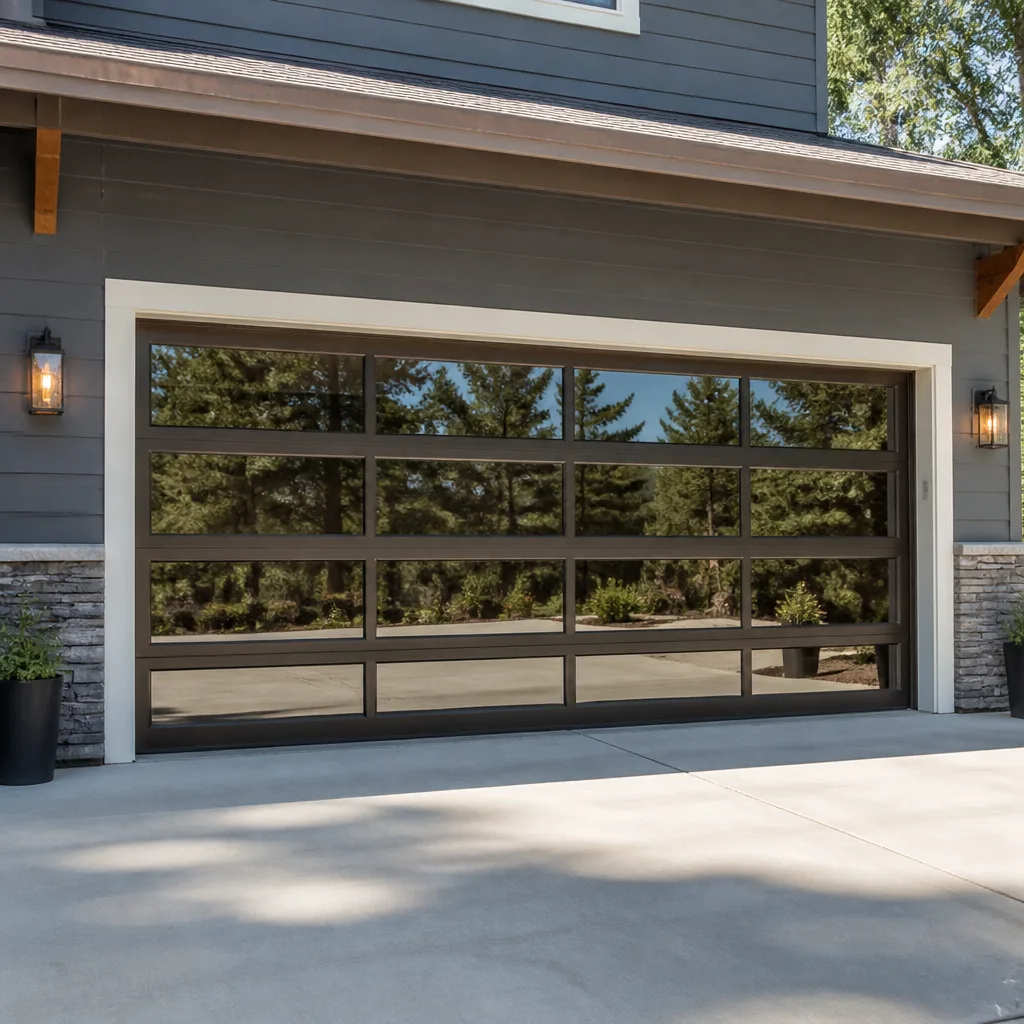 Full-view glass
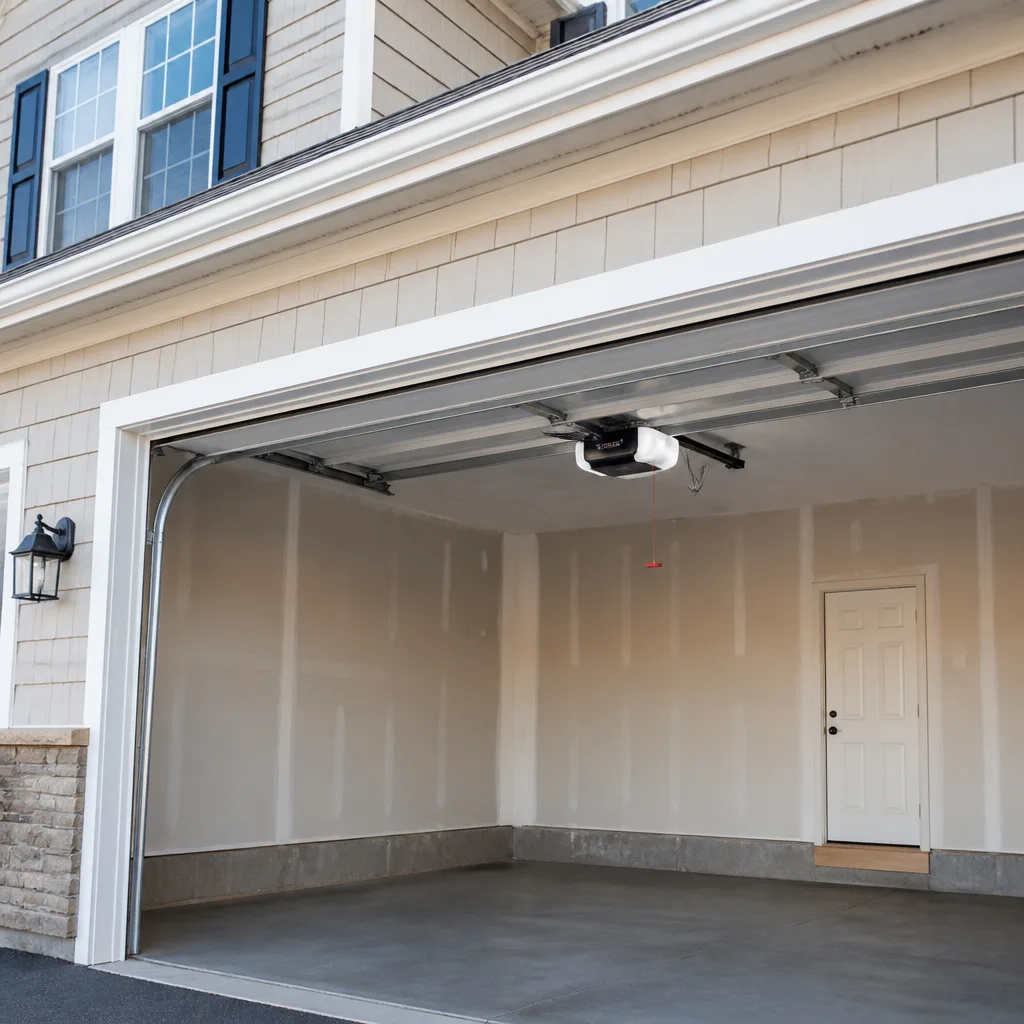 LiftMaster openers
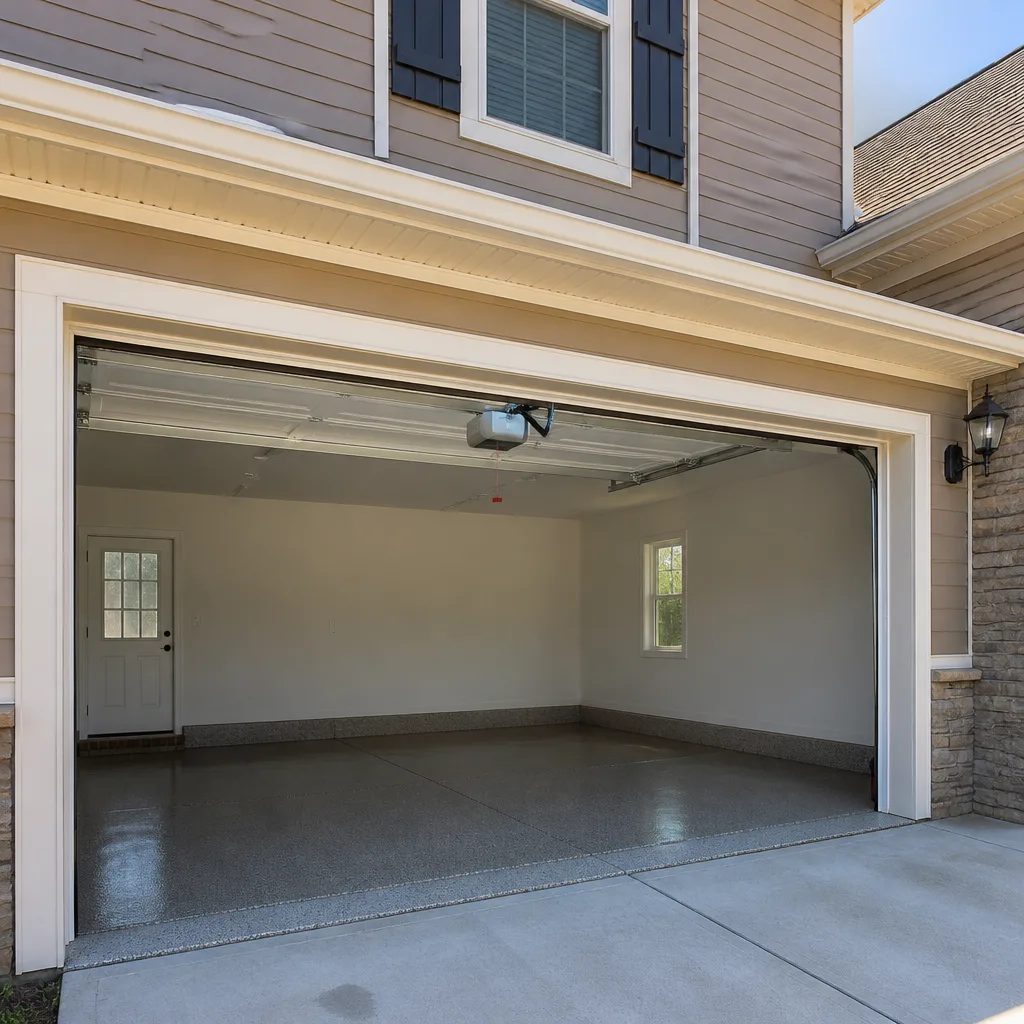 Chamberlain openers
Full 25-point door and opener safety check with every visit - springs, cables, rollers, tracks, and your LiftMaster or Chamberlain opener included
You get a price before we start. It does not change when the pro arrives.
Get your free estimateDIY vs Professional Garage Door: The Nampa Homeowner’s Decision Guide
Most homeowners who happily rewire a light fixture or lay their own tile should still keep their hands off a torsion spring. That’s not a sales pitch. It’s physics. A wound torsion spring holds enough stored energy to break a wrist or worse when it lets go, and the release usually happens faster than a person can react. The DIY-versus-professional question for garage doors isn’t a matter of confidence or thrift. It’s a task-by-task call based on stored energy and real risk. In this guide, we’ll draw that line clearly for Nampa homeowners: which jobs are genuinely safe to handle yourself, which ones require a trained technician, and what a bad DIY repair quietly costs you down the road.
Quick Answer
You can safely handle weatherstripping, minor dent repair, opener keypad programming, lubrication, and visual inspections on your own. You should never touch torsion springs, cables, or the high-voltage side of an opener. Anything involving spring tension is a hard safety line, not a judgment call. For spring, cable, and opener motor work, a trained technician is the right move.
Styles & brands we work with
- Raised-panel steel
- Carriage house
- Modern flush
- Full-view glass
- LiftMaster openers
- Chamberlain openers
Table of Contents
- Where the Line Actually Is: Task-by-Task
- The Real Risk Profile of Torsion Spring Work
- The Hidden Cost of DIY Mistakes
- Tools and Skills for Legitimate DIY Tasks
- When a Quick DIY Fix Voids Your Warranty
- Nampa Climate, Housing, and Your Garage Door
- Openers Are a Different Skill Set Entirely
- When to Call a Professional
Where the Line Actually Is: Task-by-Task
The clearest way to decide is to sort every garage door job into two boxes: stored energy and electrical risk. If a task involves the energy locked in a spring or cable, it goes to a technician. If it involves opening up a motor or its wiring, it also goes to a technician. Everything else is fair game for a careful homeowner with the right tools. Here’s how the tasks break down.
Safe for Most Homeowners
- Weatherstripping along the bottom seal and the sides. It wears out and lets in dust and drafts, and replacing it is straightforward.
- Minor panel dents that haven’t kinked the metal or cracked a seam.
- Opener keypad programming and remote pairing. This is menu-and-button work on the opener housing, no disassembly.
- Lubrication of hinges, rollers, and the tracks. A dry door gets noisy and stiff, and a quick lube job helps.
- Visual inspections: looking for frayed cables, worn rollers, or a door that sits crooked.
Requires a Trained Technician
- Any spring work, whether torsion or extension, on the door or the opener assembly.
- Cable replacement or adjustment. Cables carry the same stored load as springs.
- Track realignment when the door has jumped or bent a section.
- Opener motor, gear, and circuit board repair, plus anything on the high-voltage side.
- Safety sensor troubleshooting that goes beyond cleaning a lens or checking an alignment.
- Balance and tension adjustment. This is the job that determines whether your door and opener survive.
When you look at that second list, most of what breaks on a garage door lands there. A door that won’t open, a door that slams, a door that hangs crooked: those almost always trace back to springs, cables, or balance. That’s the reason we tell Nampa homeowners the DIY window is narrower than it looks. If you’re not sure which side a task falls on, our overview of garage door repair covers the common failure points.
The Real Risk Profile of Torsion Spring Work
A torsion spring stores energy the way a drawn bow does. It’s wound tight under tension every time the door closes, and it holds that tension constantly. When it fails, it releases all of that energy at once. The result is loud, violent, and fast. People who work around garage doors treat spring failure as one of the most dangerous things in a typical home, right up there with a live electrical panel. This is why even experienced general contractors defer spring work to specialists. A good framer or plumber knows the difference between “I can do this” and “this can hurt me.”
The danger runs in two directions. A spring can snap while the door is closed, which is startling but usually harmless if nobody’s underneath. The bigger risk is what happens while you’re working on it. Winding or unwinding a torsion spring means holding that stored energy with two steel rods, and if a rod slips out of a winding cone under load, it becomes a projectile. This is why spring work isn’t a matter of using the right YouTube video. It requires the right rods, a proper winding technique, and the muscle memory to keep your body out of the line of fire.
Extension springs, common on older doors around Nampa, fail differently. They stretch along the side of the track and can whip toward whatever is nearby when they break. Older springs often lacked the safety cables that today’s standard calls for. If you have an extension-spring door and you’ve never looked closely at the cables, that’s worth a look from someone who knows what a compromised cable looks like.
Our view is simple. Replacing a single torsion spring averages a certain per-spring range in this market, and a matched pair is usually replaced together, so a pair runs about twice that. For a comparison, check our repair service details. Either way, the cost of a spring repair is a fraction of the cost of an emergency room visit. That math is what settles the debate. For a full comparison, see our Nampa repair guide.
The Hidden Cost of DIY Mistakes
A garage door is a balanced system. Springs pull one way, the door’s weight pulls the other, and the opener just gives it a nudge to get moving. When that balance is off, whether from a mis-sized spring, a sloppy adjustment, or a door that’s been forced, the opener motor does the heavy lifting instead. That extra strain is invisible at first. Then it isn’t. A motor asked to haul a poorly balanced door every day burns out months earlier than it should, and a new opener isn’t cheap.
The same logic applies to a bent track. A door that’s slightly out of the track drags on its rollers every cycle, which wears the rollers and stresses the panels. What started as a small alignment problem turns into a replacement. In our experience, the pattern repeats: a homeowner saves on a service call and pays for it in replacement parts later.
There’s also the matter of a door that’s left unsafe. A door with a broken spring that’s been forced open and closed, or one with a weak sensor that doesn’t stop the door on contact, is a genuine hazard. If your door has a manual release that sticks or a bottom seal that no longer reverses on contact, get it looked at. The fix is usually minor; the alternative is not.
The honest math is this: most DIY savings on a garage door repair are smaller than they look. A spring, cable, or balance job done right the first time is a one-time cost. A DIY attempt that damages the opener or the door sections costs more than the original repair would have.
Tools and Skills for Legitimate DIY Tasks
If you’re going to work on your door, you should be honest about what you’re signing up for. Most of the safe tasks need basic hand tools and a little patience, not specialty equipment. Here’s a realistic checklist so you can self-assess before you start.
- For weatherstripping: a utility knife, a putty knife, and replacement seal sized to your door’s bottom width. Measure the door opening, not the old seal, since seals shrink and deform over time.
- For lubrication: a silicone-based or lithium grease spray and a rag. Avoid heavy oil on plastic rollers. A light coat on hinges and a few drops on the roller stems is plenty.
- For keypad and remote programming: your opener’s manual, or the model number printed on the opener housing. The programming steps differ across brands like LiftMaster and Chamberlain, so match the instructions to the model.
- For minor dent repair: a rubber mallet, a block of wood, and a clean cloth. If the dent has cracked the panel or distorted the frame, stop and call.
- For inspections: a flashlight, and a level or a plumb line for checking whether the door sits square.
A few skills matter more than the tools. You need to know when to stop. If a track looks bent, if a cable is frayed, if the door is louder than it used to be, or if a spring is visibly separated, that’s your signal to put the tools down and call. The safe tasks on this list are all adjustable and reversible. The dangerous ones are not.
One more honest note: if your door uses an older opener with a battery backup or a smart-home module, refer to the manufacturer’s instructions for that specific unit. Programming a Genie or a LiftMaster keypad is not the same process, and guessing the sequence wastes time and sometimes wipes the opener’s memory. We work on those openers regularly, and reprogramming after an accidental reset is a common request.
When a Quick DIY Fix Voids Your Warranty
Most manufacturers write their door and opener warranties around installation and adjustment by a qualified professional. The fine print matters. If you replace a torsion spring with the wrong gauge or wire size, or wind it incorrectly, the manufacturer can decline a claim on a door that fails. Opener warranties often exclude damage caused by a door that isn’t properly balanced, since that’s a known cause of motor failure. In plain terms: a DIY shortcut on a spring can cost you the warranty on the opener you just bought.
The line also moves for newer equipment. A modern smart opener with a battery backup and an app interface is more sensitive to a misadjustment than the older chain-drive units, and some manufacturers require professional installation to keep the warranty active. If you’re not sure whether your door or opener is still under warranty, check the paperwork before you touch anything. The possibility of a repair costing a few hundred dollars is one thing; the possibility of losing coverage on a new opener is another.
What we tell Nampa homeowners is straightforward. Save the DIY for the reversible jobs on the safe list. If a “quick fix” involves cutting, drilling, or replacing a load-bearing part, ask whether your warranty covers it before you start. The answer is often no, and knowing that up front saves you a much bigger expense later.
Nampa Climate, Housing, and Your Garage Door
Garage doors in Nampa live through a wide temperature swing over the year. Hot summer afternoons and cold winter mornings push metal and seals through a lot of expansion and contraction. That cycle is hard on the rubber bottom seals and weatherstripping, which crack and flatten over time, and it’s also why a door that felt fine in October can scrape or stick by January. The Treasure Valley’s dry air adds another wrinkle. Wooden door frames and some composite trims hold up differently in low humidity than they would in a wetter climate, so inspecting the seal annually matters more here than it might elsewhere.
Nampa’s housing stock matters too. Older neighborhoods around downtown have a lot of detached garages and single-car doors with extension-spring setups, while newer construction on the edges of town tends toward two-car doors with torsion springs and belt-drive openers. Those two configurations fail differently. An older extension-spring door on a detached garage may have springs that never came with safety cables, while a newer torsion door may have a battery-backup opener whose sensor gets knocked out of alignment by a shifted floor settlement. Both are worth a yearly look, and both need the right person to fix them.
If your garage door faces a wall of afternoon sun, the heat on the door panels can be significant, and it accelerates the wear on the bottom seal and any exterior paint. We see a lot of Nampa doors where the panel facing the sun has faded differently from the rest. That’s cosmetic, but it’s a good reminder that your door is exposed to weather year-round and deserves the same maintenance attention you give the roof.
Openers Are a Different Skill Set Entirely
Repairing a garage door and repairing a garage door opener are two different trades, and it shows. An opener is an electromechanical machine: a motor, a gear set, a logic board, sensors, and increasingly a Wi-Fi module. Fixing one means diagnosing circuits and gears, not just cables and springs. Many general handyman services treat the opener as an afterthought, but we treat garage door opener repair as its own service because the troubleshooting is distinct.
A few things we routinely check on openers:
- Safety sensor alignment. If the door closes and then reverses immediately, the sensors are usually the culprit. Cleaning the lenses and checking alignment fixes it more often than not.
- Force settings. An opener that strains or jerks is a sign the force limit is set wrong or the door’s balance has changed. A door that opens with difficulty can trip the limit and stop the cycle.
- Gear wear. A grinding noise usually means the plastic drive gear is worn. That’s a common failure on older Craftsman and Genie units, and the repair is usually worth it if the motor is sound.
- Battery and capacitor issues. A unit that won’t hold its travel limit is often a sign of a failing capacitor or a weak battery backup.
- Remote and keypad programming. These are often solved by reprogramming from the correct model’s manual.
Across the eight brands we work on most, we see patterns repeat. LiftMaster and Chamberlain drive systems share a lot of components, while Raynor and Clopay doors use different hardware and spring configurations. That brand-by-brand experience is what lets a technician diagnose quickly instead of guessing. When your opener and door are working as a system, the door lasts longer and the motor runs easier. Our guide to repairing a sticking or noisy door covers how to spot a balance problem early.
See the difference
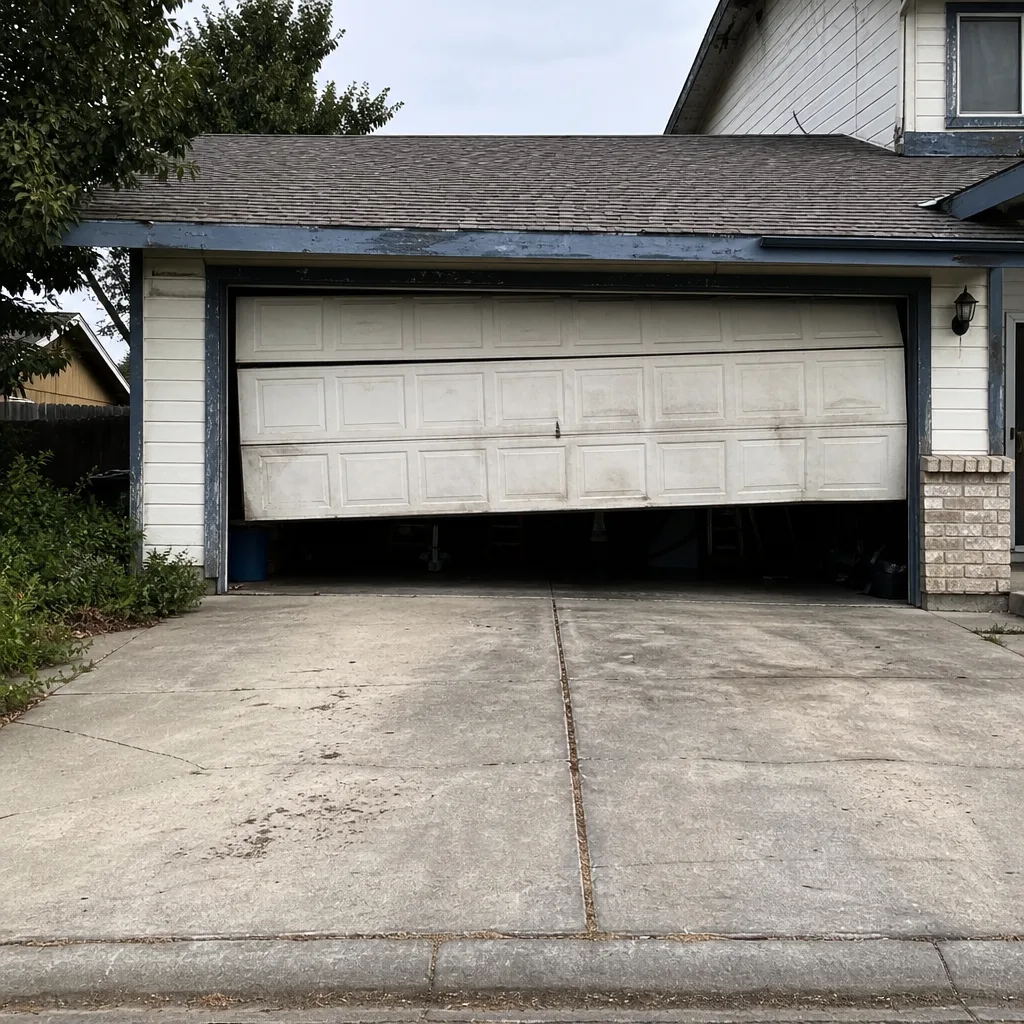 Before
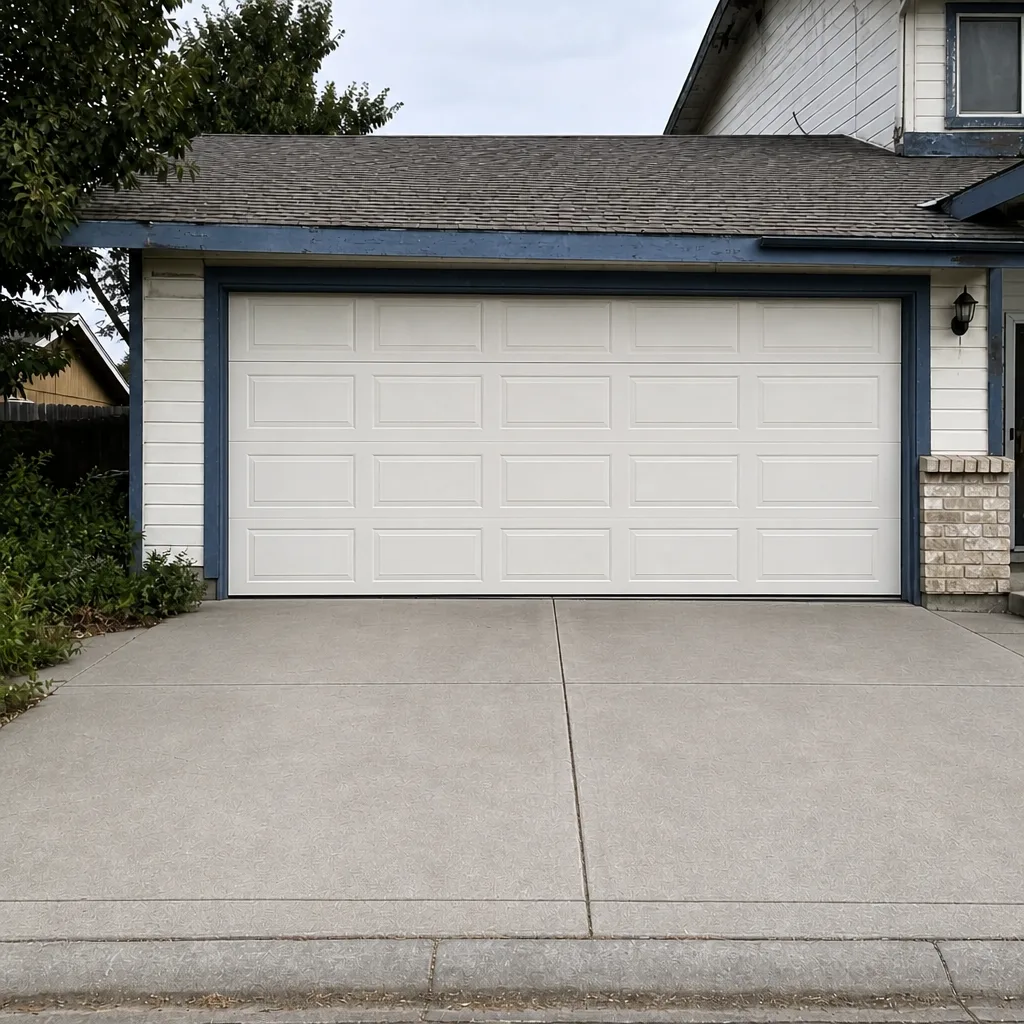 After
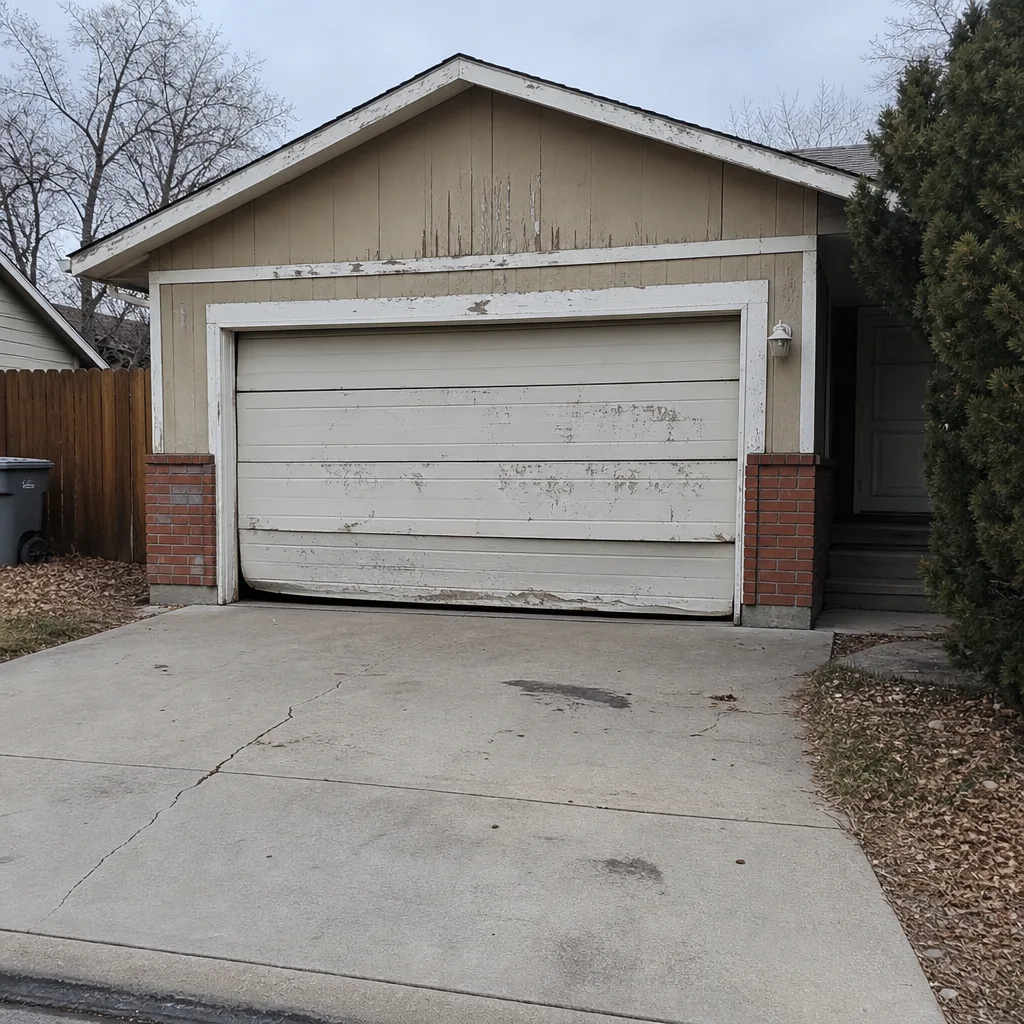 Before
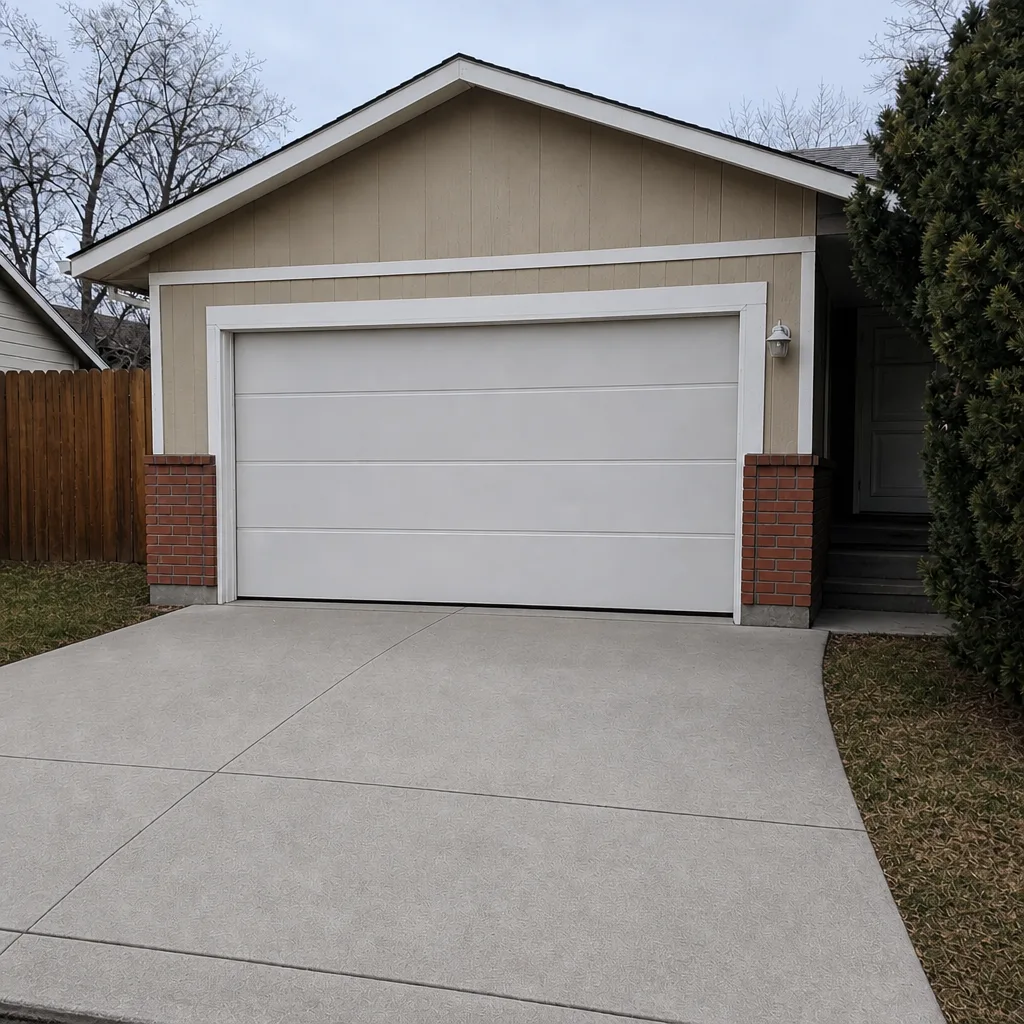 After
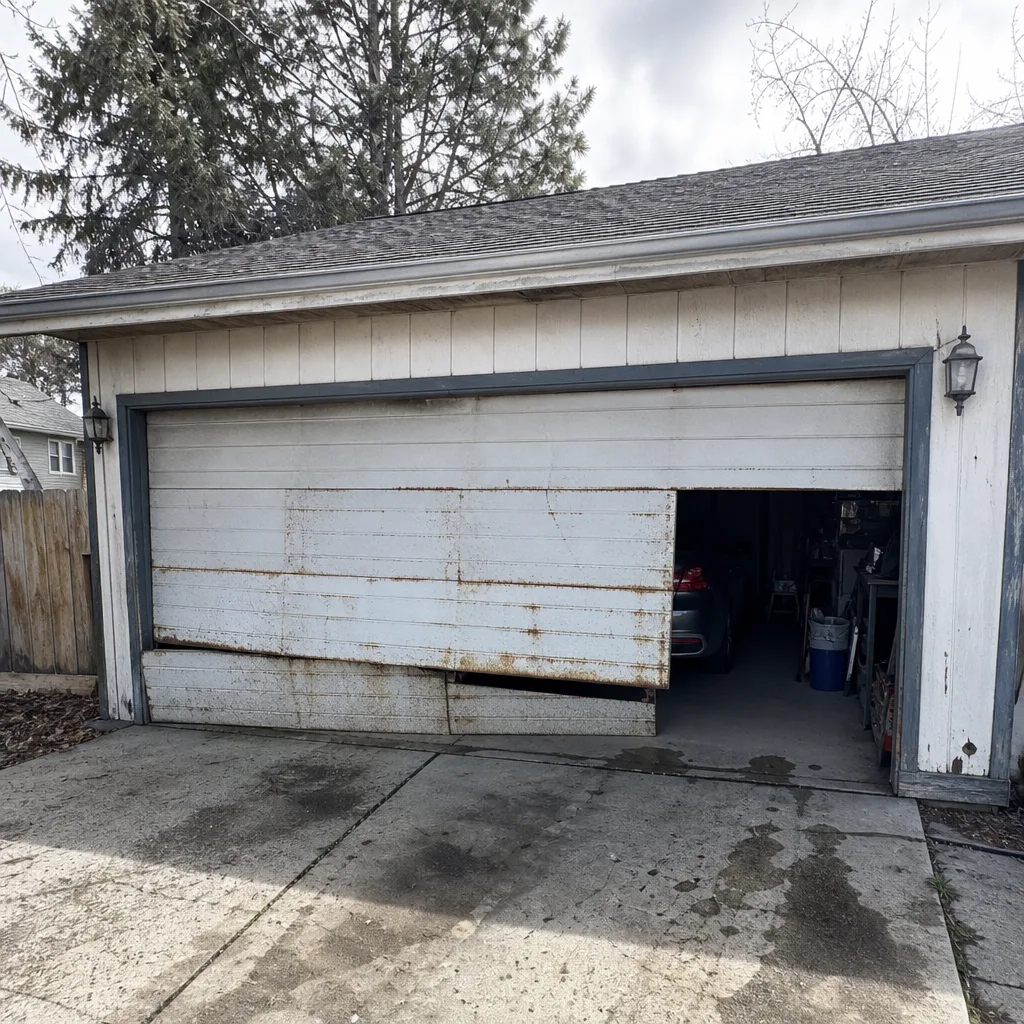 Before
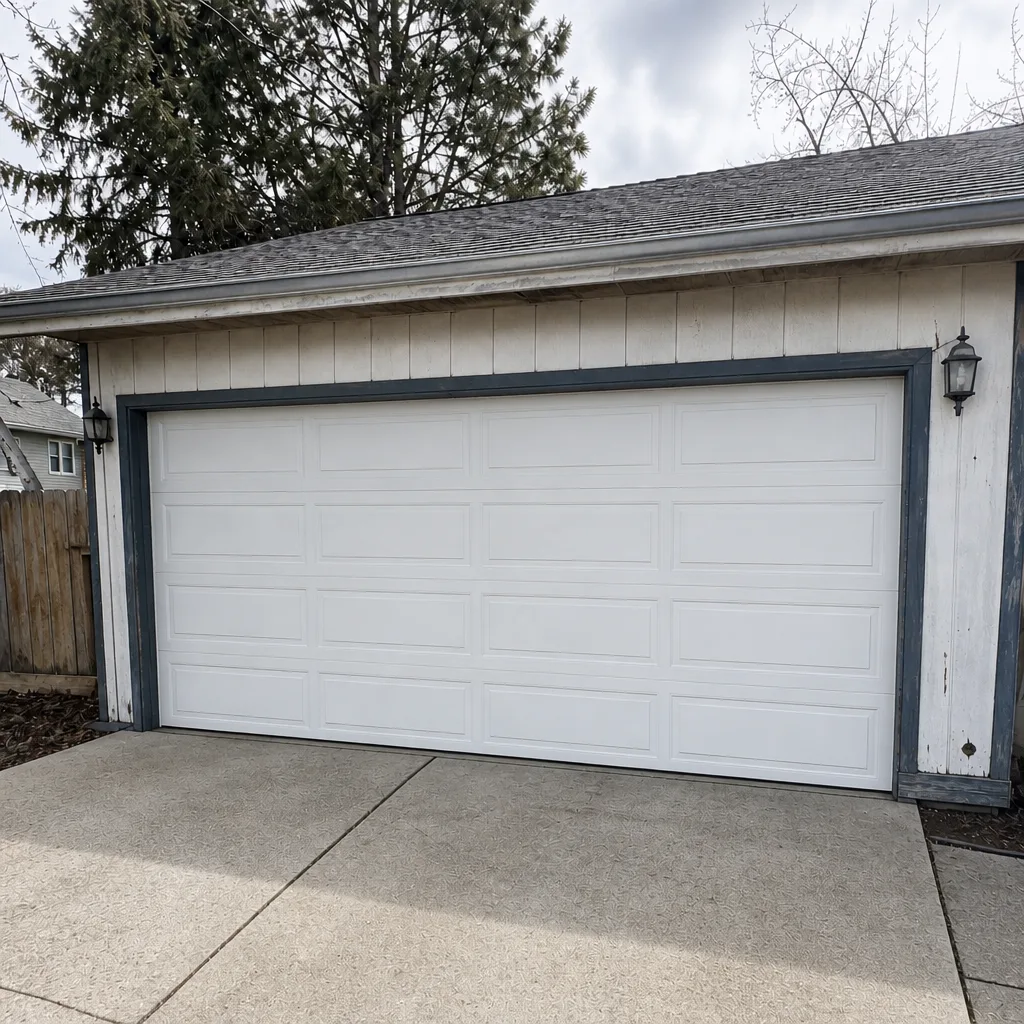 After
Common Mistakes to Avoid
- Winding a torsion spring with improvised tools. A screwdriver or a short rod can slip under load and cause serious injury. If you don’t have proper winding rods and the training to use them, don’t try.
- Adjusting the opener’s force limit to make a hard door open. Cranking up the force can mask a balance problem while burning out the motor. Fix the door, not the setting.
- Ignoring a frayed cable. A cable showing broken strands is a failure waiting to happen, and it’s the kind of thing that turns a repair into a replacement. Have it seen before it lets go.
- Replacing one spring of a matched pair. Springs are sold in sets for a reason. Putting a new spring next to a tired one creates uneven load and shortens the life of both.
- Guessing the bottom seal size. The most common DIY seal failure is buying a seal that doesn’t match the door’s channel. Measure the door opening, not the old seal.
- Assuming a brand-new opener will fix a door problem. It won’t. A heavy or misaligned door will eat a new opener’s motor and void the warranty at the same time.
- Skipping the annual inspection. In Nampa’s wide temperature swings, seals and hardware degrade quietly. A yearly look catches small problems before they become expensive ones.
When to Call a Professional
Some jobs are worth taking on yourself, and some aren’t. Call a professional when the issue involves springs, cables, track alignment, or anything inside the opener’s motor or wiring. Call when the door is crooked, slams, or won’t stay up on its own. Call when you’ve replaced a remote and it still won’t sync, or when a safety sensor keeps reversing the door. And call when you’re simply not sure: a short diagnostic costs less than a wrong guess, and we’ll tell you honestly if the job is something you can safely handle.
Nampa Garage Door Service offers free estimates in Nampa. Call (866) 942-7318 to get an honest read on your door. We answer 24/7. Fast dispatch from 7am to 7pm, Sunday through Friday, and the price is quoted and agreed before any work starts.
Frequently Asked Questions
No. Torsion spring work involves stored energy that can cause serious injury, and it isn’t a job to take on without professional tools, training, and experience. If your spring is broken or sagging, call a technician. The repair is modest compared with the risk, and a written estimate is free.
A single torsion spring replacement typically runs in the low-to-mid $200 range, with a matched pair costing about twice that since both springs are usually replaced together. The written estimate you receive sets the final price. Call (866) 942-7318 for an exact quote on your door.
Weatherstripping, lubrication, minor dent repair, and opener keypad programming are all reasonable for a careful homeowner. Anything involving springs, cables, tracks, or the opener’s motor and wiring should go to a trained technician. If you’re unsure which side a task falls on, call and ask.
It can. Manufacturer warranties typically exclude damage from improper installation or adjustment, especially on the opener if the door isn’t balanced. Before you touch anything load-bearing, check your paperwork, and call us with the model number if you’re unsure what’s covered.
Often, yes. Many repairs, including spring, cable, and opener fixes, are handled in a single visit with the right parts on hand. Call (866) 942-7318 to check availability. We answer 24/7. Fast dispatch from 7am to 7pm, Sunday through Friday.
A door that won’t close is usually a safety sensor issue or a balance problem, and both are worth a professional look. Sensor alignment is a quick check; a balance issue can damage the opener if ignored. Call for a diagnostic and an honest assessment of whether it’s a DIY job.
The Bottom Line
The DIY-versus-professional decision for your garage door comes down to one question: does the job involve stored spring tension or electrical systems? If yes, it belongs to a trained technician, full stop. If no, and the task is reversible and adjustable, you can safely handle it with the right tools. In Nampa, the wide seasonal temperature swings make annual inspection worth the small effort, and they make quick DIY fixes on load-bearing parts a bad bet. Save your own work for weatherstripping, lubrication, and programming. For the rest, get an honest estimate before you start. It costs nothing to ask.
If you’re in Nampa or nearby and want a straight answer on your garage door – whether it’s a spring, a cable, an opener, or a door that just doesn’t behave – call Nampa Garage Door Service for a free estimate. We’re the team at Nampa Garage Door Service, and we’d be glad to help.
We cover the whole Nampa area and are happy to take a look at your door. Call (866) 942-7318. We answer 24/7. Fast dispatch from 7am to 7pm, Sunday through Friday. Whether you need opener repair or a full door repair, our technicians have up to 12 years of experience and work on LiftMaster, Chamberlain, Genie, Clopay, Amarr, Wayne Dalton, Craftsman, and Raynor equipment.
Written by the team at Nampa Garage Door Service.