
Last updated November 15, 2026
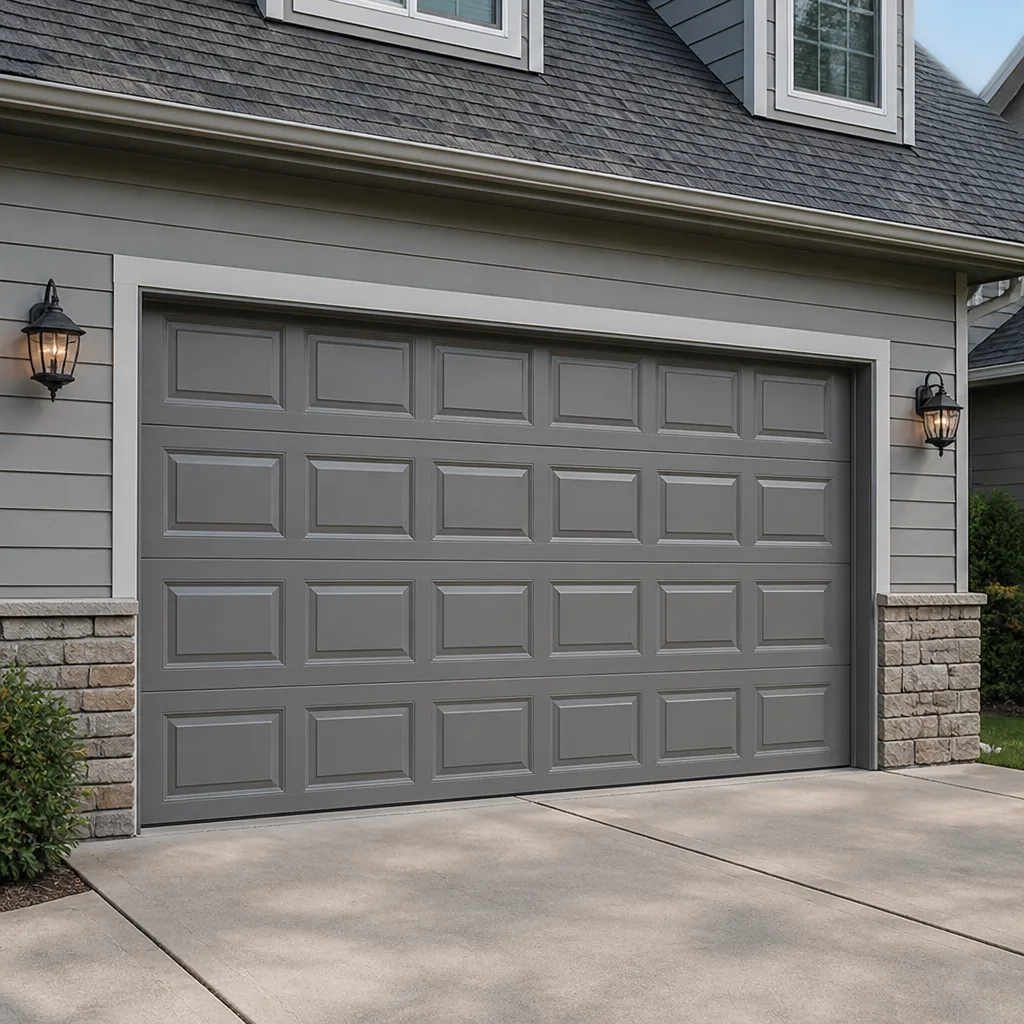 Raised-panel steel
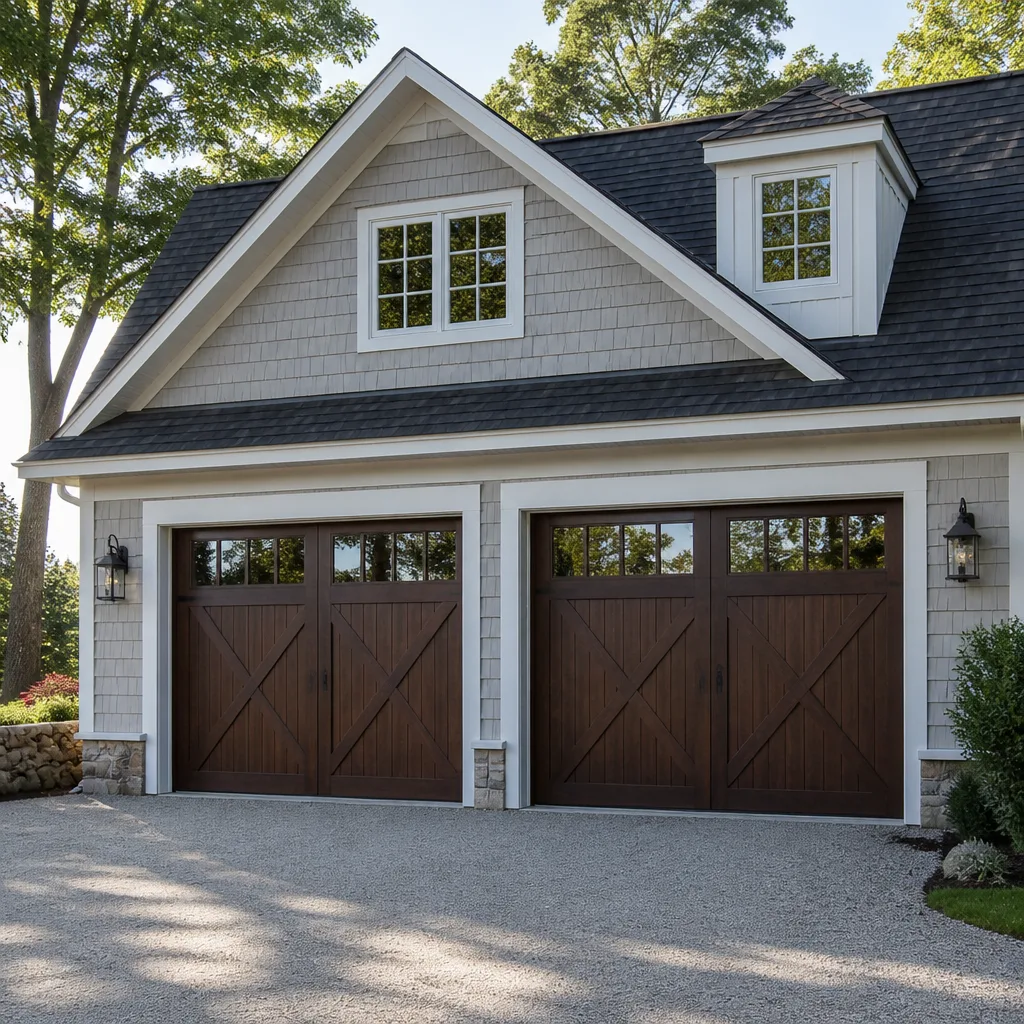 Carriage house
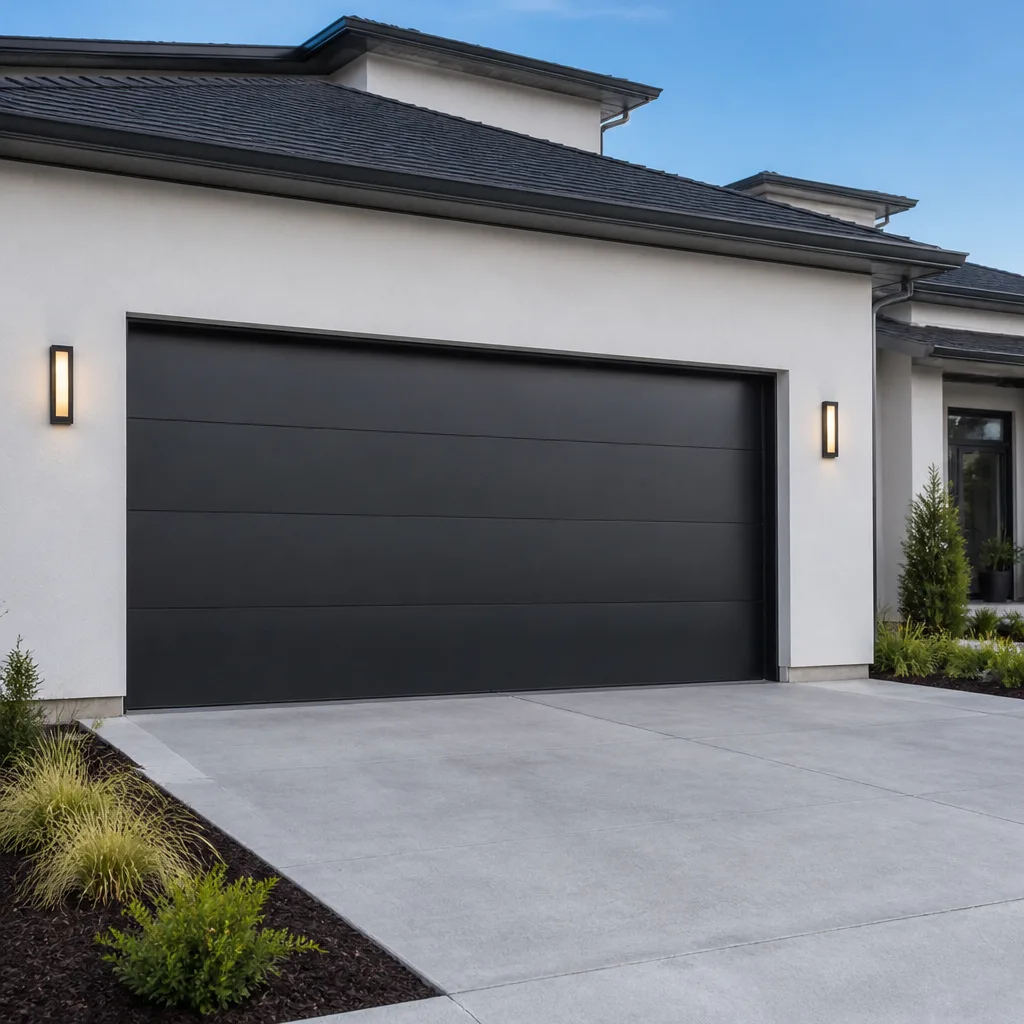 Modern flush
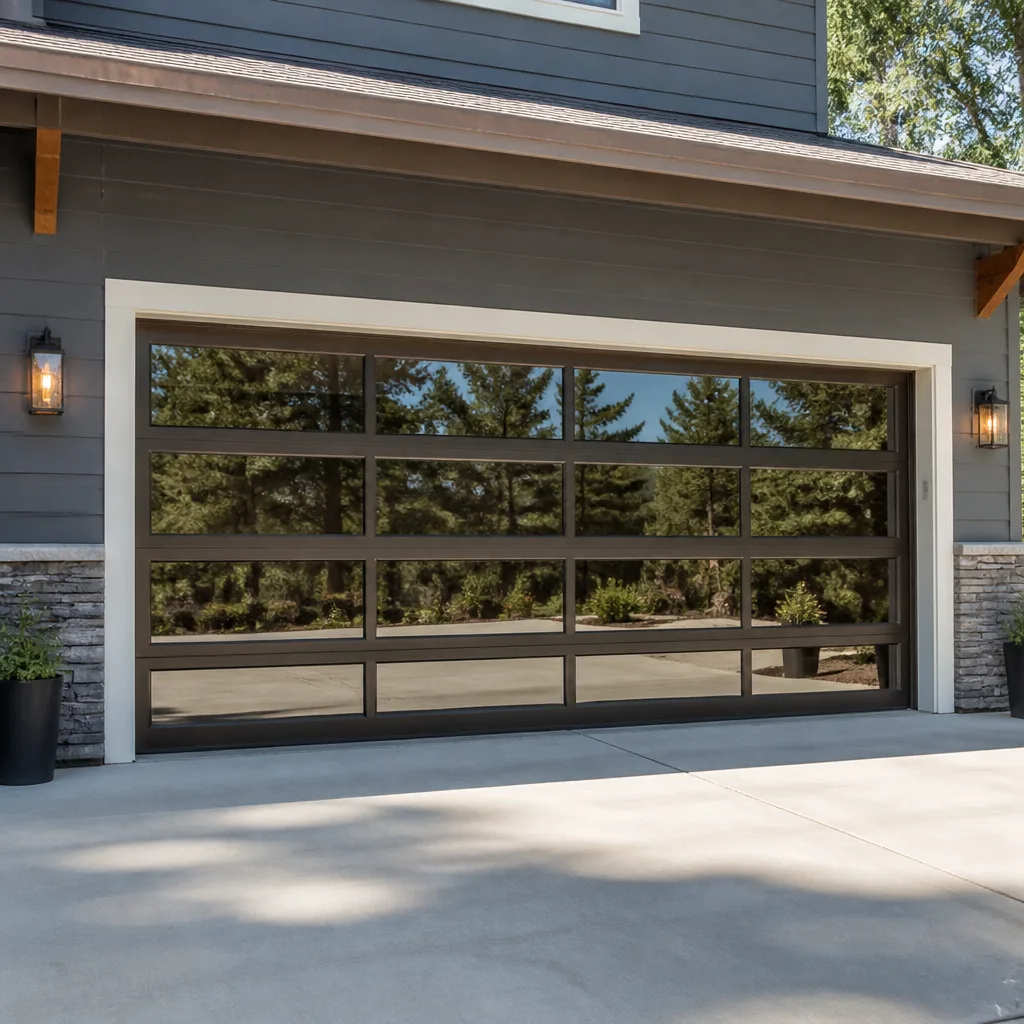 Full-view glass
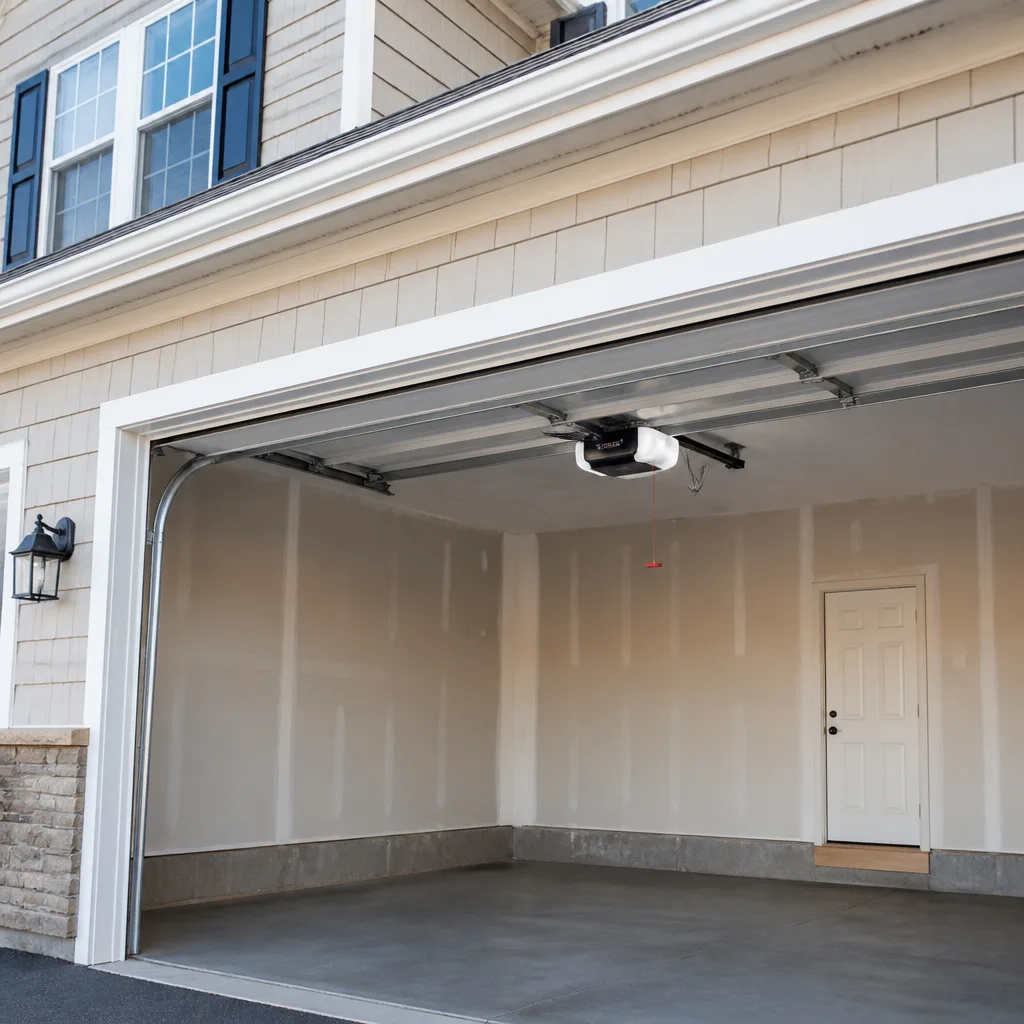 LiftMaster openers
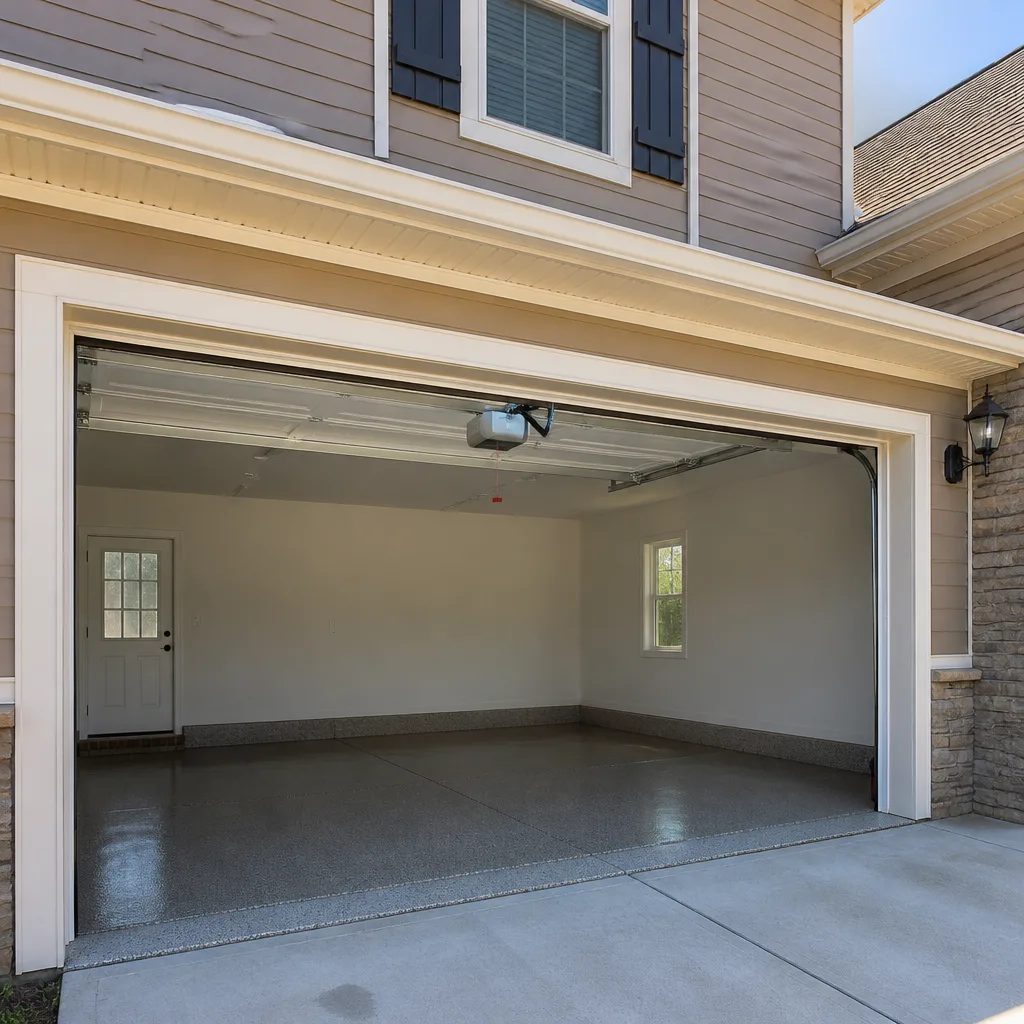 Chamberlain openers
Full 25-point door and opener safety check with every visit - springs, cables, rollers, tracks, and your LiftMaster or Chamberlain opener included
You get a price before we start. It does not change when the pro arrives.
Get your free estimateGarage Door Warning Signs: A Nampa Homeowner’s Reference Guide
A garage door that takes one extra second to start moving has already told you something is wrong. By the time it stops moving entirely, that early hesitation has usually compounded into a worn motor, a stressed capacitor, and sometimes a cable that’s been running out of alignment long enough to groove the drum. Most homeowners wait for the loud failure and miss the quiet warnings. This guide covers the subtle, early indicators we see Nampa homeowners ignore for months, what each sound and movement pattern points to, and how to sort a “schedule this week” sign from a “stop using the door and call today” one.
Quick Answer
The most important garage door warning signs in Nampa are a one-to-two-second delay before the door moves, grinding or popping sounds during travel, jerky or uneven movement, and visible sagging or gaps at the bottom seal. Any of those warrants a call; a door that reverses on its own, hangs crooked, or makes a loud bang means stop using it and call today.
Styles & brands we work with
- Raised-panel steel
- Carriage house
- Modern flush
- Full-view glass
- LiftMaster openers
- Chamberlain openers
Table of Contents
- Sound Diagnostics: What Each Noise Points To
- Movement Diagnostics: Jerks, Uneven Travel, and Slow Starts
- Visual Checks You Can Do Safely from the Ground
- The Cascade Failure Problem
- Triage Table: When to Schedule vs. When to Stop Using the Door
- How Nampa Climate and Housing Shape Door Wear
- A Seasonal Walk-Around Checklist
- When to Call a Professional
Sound Diagnostics: What Each Noise Points To
Sound is the earliest and most reliable warning system a garage door has. A healthy door makes a low, steady hum from the opener and little else. Once you know how each noise maps to a component, you can describe the problem in a sentence before you call, and that saves diagnostic time. The four noises below are the ones we hear most often across Nampa, and each one implicates a different part of the system.
- Grinding usually means metal is meeting metal where it shouldn’t. Most grinding issues come down to dry or worn rollers, or a track that’s been nudged out of alignment. If the grind is coming from the opener head instead of the door, we look at the gear assembly inside the unit first.
- Squealing is friction with a high pitch, and it typically points to a hinge, roller bearing, or torsion hardware that’s lost its lubrication. It sounds minor and often gets ignored for months. Left long enough, the friction wears the parts down further and the squeal turns into something more expensive.
- Popping is the sound you want to stop and address. A pop during travel often means a torsion spring or cable is under uneven load, and that brings us to a safety point worth stating plainly: torsion springs and cables are under extreme tension and are genuinely dangerous to touch. Do not try to adjust, lubricate, or inspect spring hardware yourself. Call a trained professional and keep the door closed until someone looks at it.
- Rattling is usually loose hardware: hinges, brackets, the track mounts, or a door panel that’s worked slightly loose in its section. It’s often the cheapest fix on this list when it’s caught early, which is exactly the argument for not waiting.
Whether your opener is a LiftMaster, a Chamberlain, or a Genie, the sound diagnosis starts the same way: listen, locate the source, then confirm. We work on all of them, and the noise tells us where to look before we even pull the ladder out.
Movement Diagnostics: Jerks, Uneven Travel, and Slow Starts
Motion problems are quieter than sound problems and often more revealing. A door that hesitates, jerks, or descends at an angle is telling you a specific piece of hardware is stressed. The trick is knowing which movement pattern points to which component, because the fix ranges from a quick adjustment to something that shouldn’t be used until it’s addressed.
- One extra second of delay before movement. This is the warning sign from our opening, and it’s the one homeowners most often miss. A slightly slow start usually means the opener’s capacitor is weakening or the motor is working harder than it should against a door that’s binding. By the time the delay becomes a stall, the capacitor and motor have both absorbed wear they shouldn’t have.
- Jerky travel up or down. If the door moves in fits and starts, the most common causes are a roller that’s seized, a track that’s bent or dirty, or a door that’s come slightly out of balance. A door that’s out of balance puts extra load on the opener every single cycle.
- Uneven descent, one side lower than the other. A door that sags on one side is usually showing a stretched or misaligned cable or a torsion system that’s out of adjustment. This is a stop-using signal. An unbalanced door can drop unexpectedly or bind hard on the track, and the adjacent hardware is carrying a load it wasn’t designed for.
- Door reverses before hitting the floor. If the door goes back up on its own, the safety sensors or the opener’s travel limits need attention. Do not override them and keep using the door. When sensors are misaligned, that’s a garage door opener repair issue, not a door issue, and we treat them differently.
- Door stops mid-travel. If the door stops partway up or down, that’s usually a travel limit switch, a binding door, or a failing opener gear. Stop using it here too, and get it looked at.
A common misread in Nampa is treating slow starts as a cold-weather quirk. Cold does make a door slightly stiffer, but “cold” is not a diagnosis. If the delay persists past the first cycle of the morning, it’s a component warning, not the temperature.
Visual Checks You Can Do Safely from the Ground
You don’t need to touch hardware to spot most developing problems. A calm five-minute walk-around, all from floor level and with the door in the closed position, will surface the majority of early warning signs. What we’re looking for is anything that looks different than it did six months ago.
- Bottom seal gap. Stand outside and look along the bottom edge. Any visible gap or light showing through means the seal has compressed or the door has settled. It also lets weather and pests in, which matters in Nampa’s dusty, windy spring afternoons.
- Panel alignment. A straight line should run through the door’s panel seams. If any panel is visibly out of line, the door’s mechanical alignment has changed.
- Sagging or bowed track. Look up the vertical tracks. A bowed track or one that’s visibly pulled away from the wall is a stop-using signal.
- Dangling or frayed cable. Any cable that looks slack, kinked, or frayed is a stop-using signal. Do not touch it. Cables are under tension.
- Weatherstrip condition. Cracked or dried weatherstripping is cosmetic until it isn’t; once it lets water reach the panel’s bottom edge, you’re looking at corrosion over a full season.
- Sensor lights. Look at the two small sensor eyes near the floor. A steady green light on both means they’re aligned. A flickering or off light means something has shifted.
- Loose hardware (visible only). You can see a hinge bolt that’s backed out from the ground. Do not tighten anything on the door yourself; note it and mention it when you call.
That last point is important. This isn’t a DIY checklist. It’s a spotting checklist. The door, its springs, and its cable system should only be worked on by a trained technician, and any check that involves touching hardware can end badly.
The Cascade Failure Problem
Here’s what makes ignoring warning signs expensive: a garage door is a system, not a stack of independent parts. When one component starts underperforming, its neighbors pick up the slack, and they weren’t designed to. This is why a $40 detail ignored for four months turns into a several-hundred-dollar job, and it’s the single most common pattern we see across Nampa.
The reason a warning sign turns expensive is the chain reaction. A dry roller increases friction on the track. The increased friction makes the door harder to lift. A harder door loads the opener’s motor and capacitor beyond their design. A stressed capacitor leaves the door starting slowly. The slow start becomes a stall. And the stalled opener keeps driving against a door that isn’t moving, which puts extra stress on the torsion system. At each stage, the fix was small. By the end, every link in that chain needs attention.
That’s the argument for calling on the first warning sign, not the loudest one. A single-clunk call is usually a smaller bill than a multi-part call.
- Rollers and track are the classic pair. One seized roller loads the whole track system within a few weeks.
- Springs and openers work as a couple. A spring that’s lost tension makes the opener lift more than its rated limit, and the opener is what usually fails first.
- Cables and drums fail as a pair. A cable that jumps the drum grooves the drum, and a grooved drum ruins the next cable.
- Sensors and travel limits affect each other. Misaligned sensors cause the door to reverse, and repeated reversals stress the travel mechanism.
If you notice any of the warning signs across two different parts of the door at the same time, that’s a cascade already in motion. Call before the third part goes.
Triage Table: When to Schedule vs. When to Stop Using the Door
The fastest way to use this guide is to triage. Some warning signs mean schedule service this week; some mean stop using the door and call today. Use the table below to sort the sign you’re seeing, then call us with what you noticed.
- Schedule service this week: Slow start of one or two seconds; squealing hinges or rollers; rattling hardware; minor bottom-seal gap; sensors that need realignment; door that runs smoothly but the opener’s light flickers.
- Schedule service this week (sooner rather than later): Grinding during travel; jerky motion; uneven speed between up and down; visible panel misalignment but the door still operates; door reverses occasionally before reaching the floor.
- Stop using the door, call today: Loud pop or bang from the door; door hanging crooked or uneven on one side; frayed, kinked, or slack cable; sagging or bowed vertical track; door that stalls mid-travel; door that reverses every cycle; anything visible at the torsion spring assembly.
For anything in the third group, close the door and use a different entrance until a technician has looked at it. If the door is already open and won’t close, leave it and call us. We answer 24/7, and a call outside dispatch hours is booked into the next opening, Sunday through Friday, 7am to 7pm.
Garage doors are all we do, and the triage is where that focus shows. We sort repairs from a distance based on which sign you describe, and we’ll tell you straight if it’s a week-later job or a today job. Typical garage door repair in the Nampa area runs a written estimate for one job, and the price is quoted and agreed before any work starts.
How Nampa Climate and Housing Shape Door Wear
Nampa’s weather puts a specific set of stresses on a garage door that coastal guides miss entirely. Cold winters, hot dry summers, and windy spring afternoons all wear different parts of the door, and knowing which part is under which kind of stress helps you know which warning signs to watch for through the year.
Winter is hardest on the opener. Cold mornings stiffen the door enough that the motor works noticeably harder on the first several cycles, and that’s when weakened capacitors show themselves. Late fall is the right time to have anything that’s been grinding since summer looked at, before the cold slap of December.
Summer is hardest on the seals and the tracks. Heat expands and contracts the door panels and weatherstripping, and dried-out weatherstrip loses its seal by July. Tracks get a fine coat of dust and pollen that turns into grinding paste, and the squeal that shows up in August is often the same roller that squeaked in April and never got attention.
Spring wind is real in the Treasure Valley. Regular dusty wind pushes sand into hinges and rollers over the season, and it finds any gap in the bottom seal. Homes on the south and west edges of Nampa see this first, because the wind direction is typically from the southwest.
Housing stock matters too. Pre-2000 build in established Nampa neighborhoods tends to have original openers that are nearer failure; newer construction along the east side may have smart openers with sensors that go out of alignment. Either way, the warning signs are the same; the fix is different.
A Seasonal Walk-Around Checklist
A regular five-minute check catches most of the warning signs in this guide before they become expensive. Do this four times a year, once at each season change, standing on the ground with the door closed. Here’s the checklist.
- Listen first. Run the door open and closed once. Note any new grinding, squeal, pop, or rattle that wasn’t there last season.
- Watch the movement. Time the door from the moment the opener clicks to the moment the door moves. If that gap is more than a second or two, note it.
- Look along the bottom seal. Any visible gap or daylight means the seal, or the door, is out of adjustment.
- Look up the tracks. Both vertical tracks should be straight and flush. Any bow or gap is a stop-using sign.
- Check the sensors. Both sensor lights should be steady. Flickering means something has shifted.
- Walk around the torsion bar area (visual only, from a distance). Anything that looks different, note it and call. Do not touch it.
- Log what you found and when. A written record is what turns a “small squeal” into a useful, dated diagnostic when you call.
If any of the checks gives you a stop-using signal, close the door and call us rather than running the door again to “make sure.” Running a stressed door is how a small fix becomes a bigger one.
Common Mistakes to Avoid
- Waiting for the door to fail outright before calling. A door that still operates but hesitates, jerks, or squeals is the ideal time to call. Waiting for it to stop moving usually means two or three parts need replacing instead of one.
- Lubricating and adjusting the torsion spring. This is the mistake we most want Nampa homeowners to avoid. Torsion springs and cables are under extreme tension and injure people every year. Never touch this hardware; call a trained technician.
- Treating slow starts as a cold-weather quirk. Cold-stiff is a single cycle. A delay that repeats every cycle is a component problem. The distinction saves a lot of money.
- Ignoring a squeal because “it’s just sound.” A squeak is friction, friction is wear, and wear becomes a stuck roller that scores the track. The squeal is cheap to fix; the track is not.
- Overriding a door that reverses before hitting the floor. The sensors are doing a safety job. Forcing the door to close (or holding the wall button) defeats the sensor and puts people at risk.
- Calling a general handyman for garage door work. A door is a specialized electro-mechanical system with torsion, track, sensor, and opener components. A generalist has to learn on your door. A single-trade specialist has done it thousands of times before yours.
- Not mentioning the age of the door or opener on the call. If your opener is original to the house and it’s more than a decade old, that context changes the diagnostic. Bring it up, even if you’re not sure of the model.
See the difference
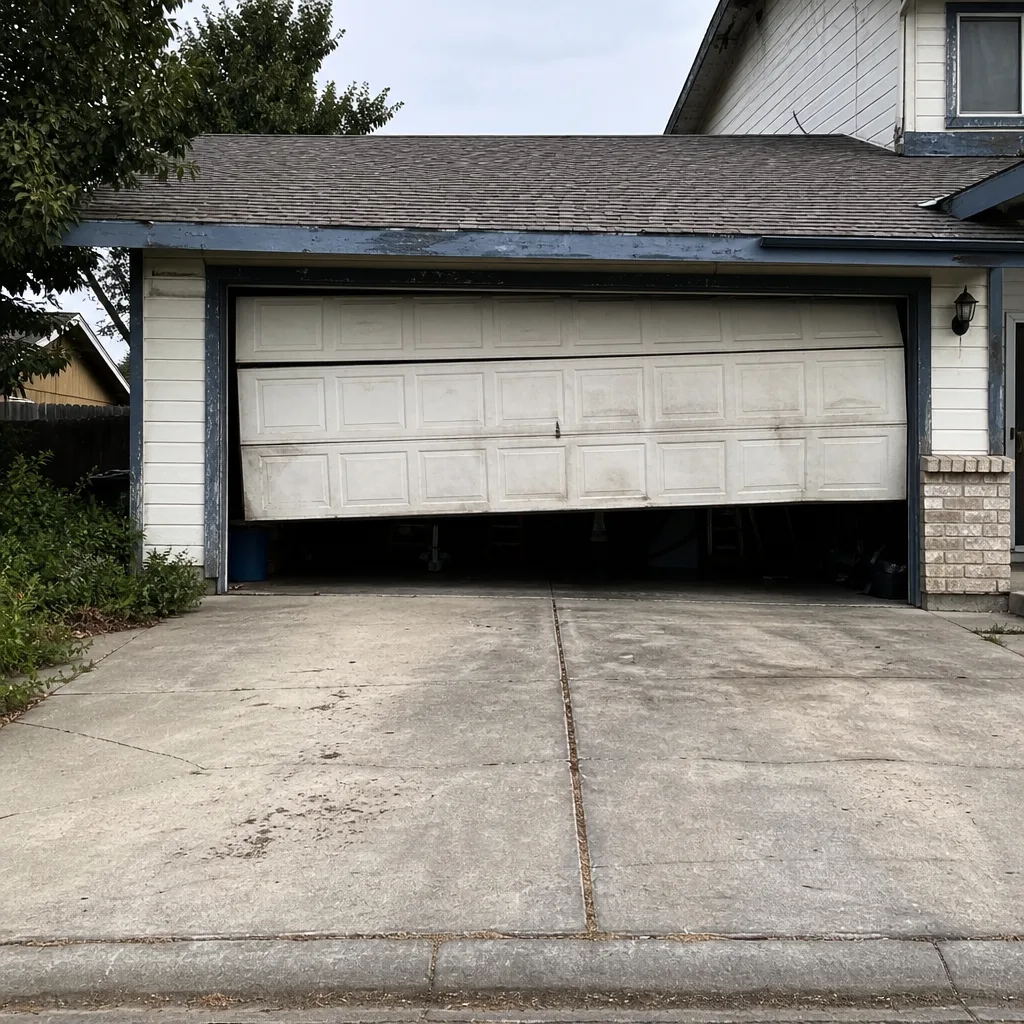 Before
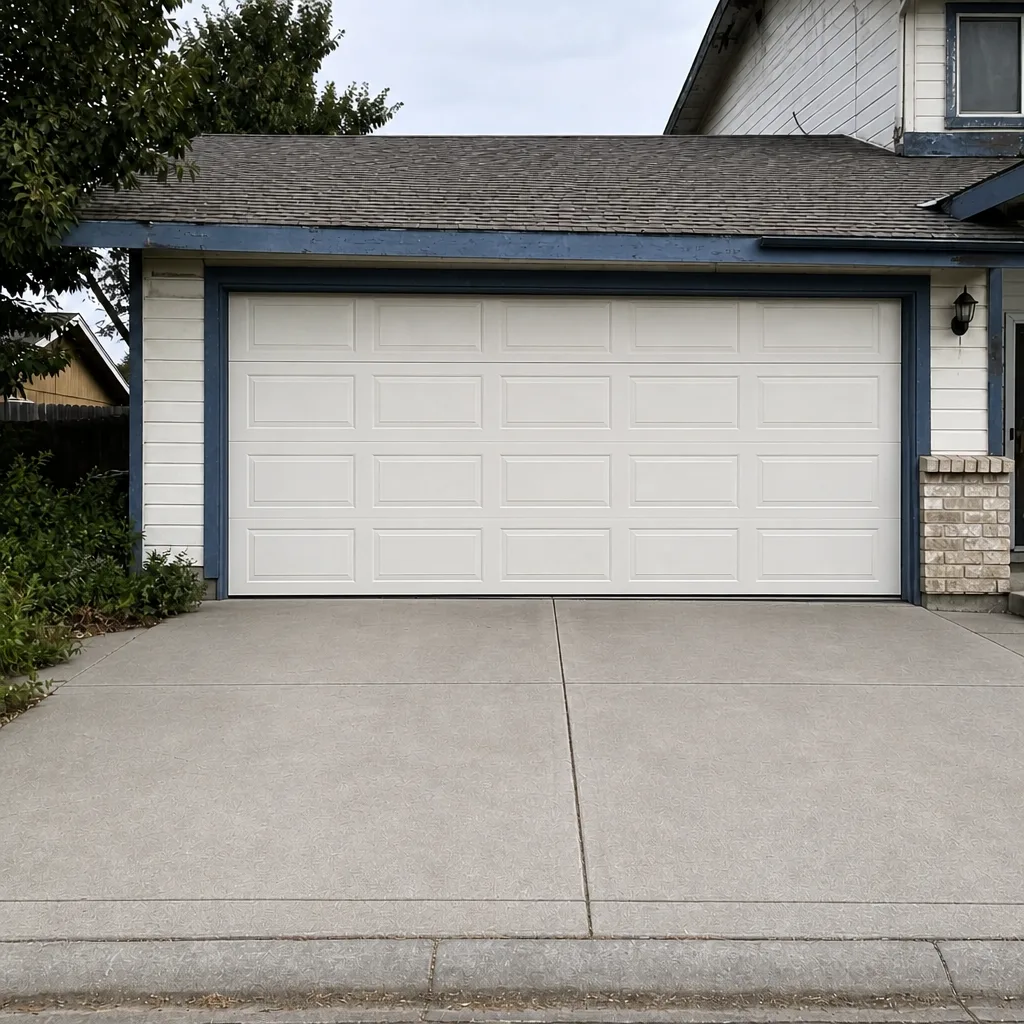 After
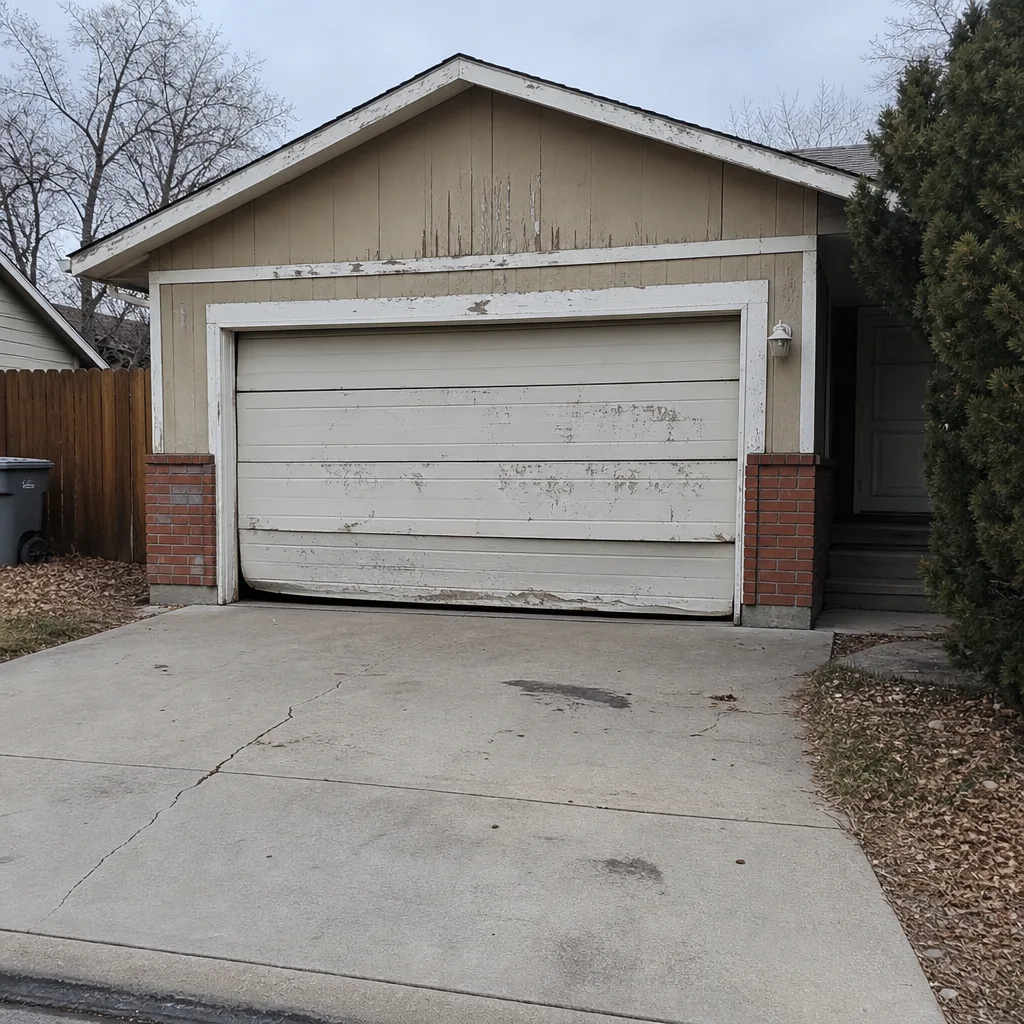 Before
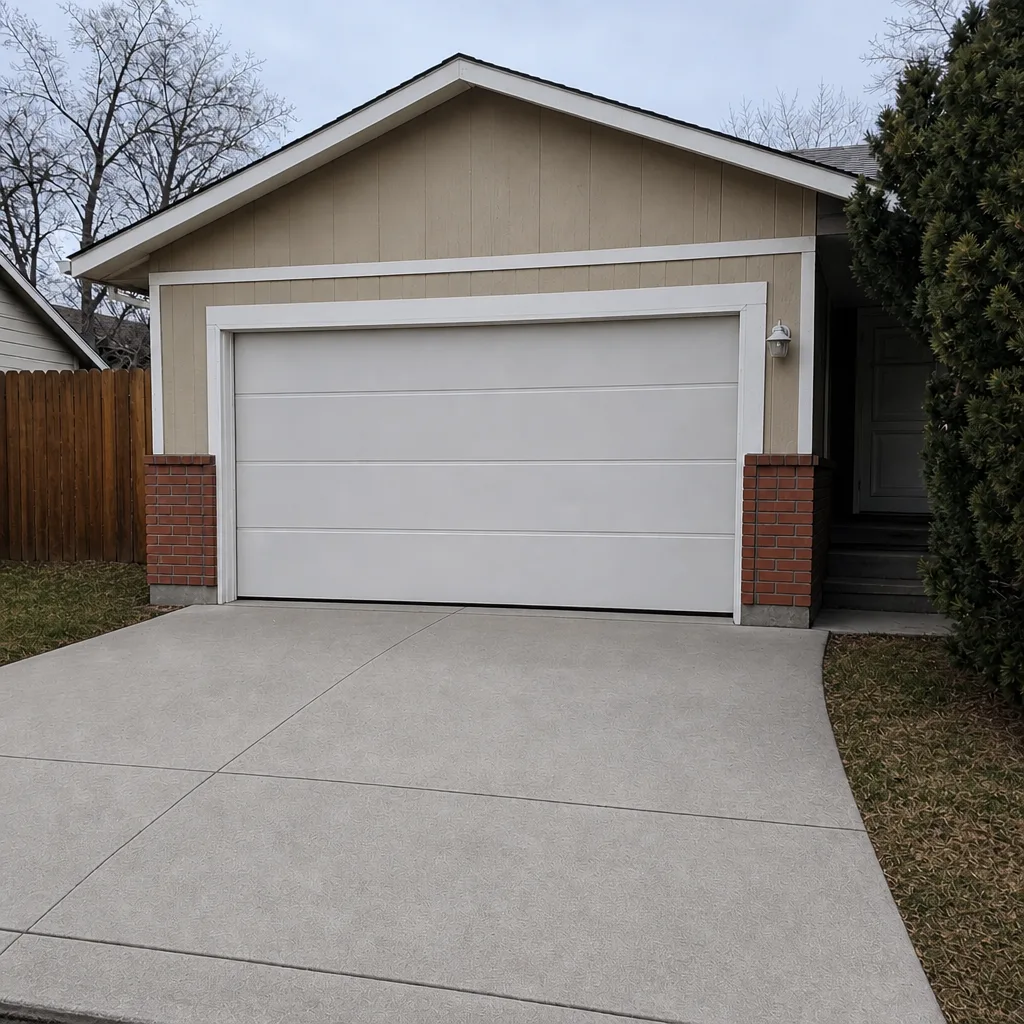 After
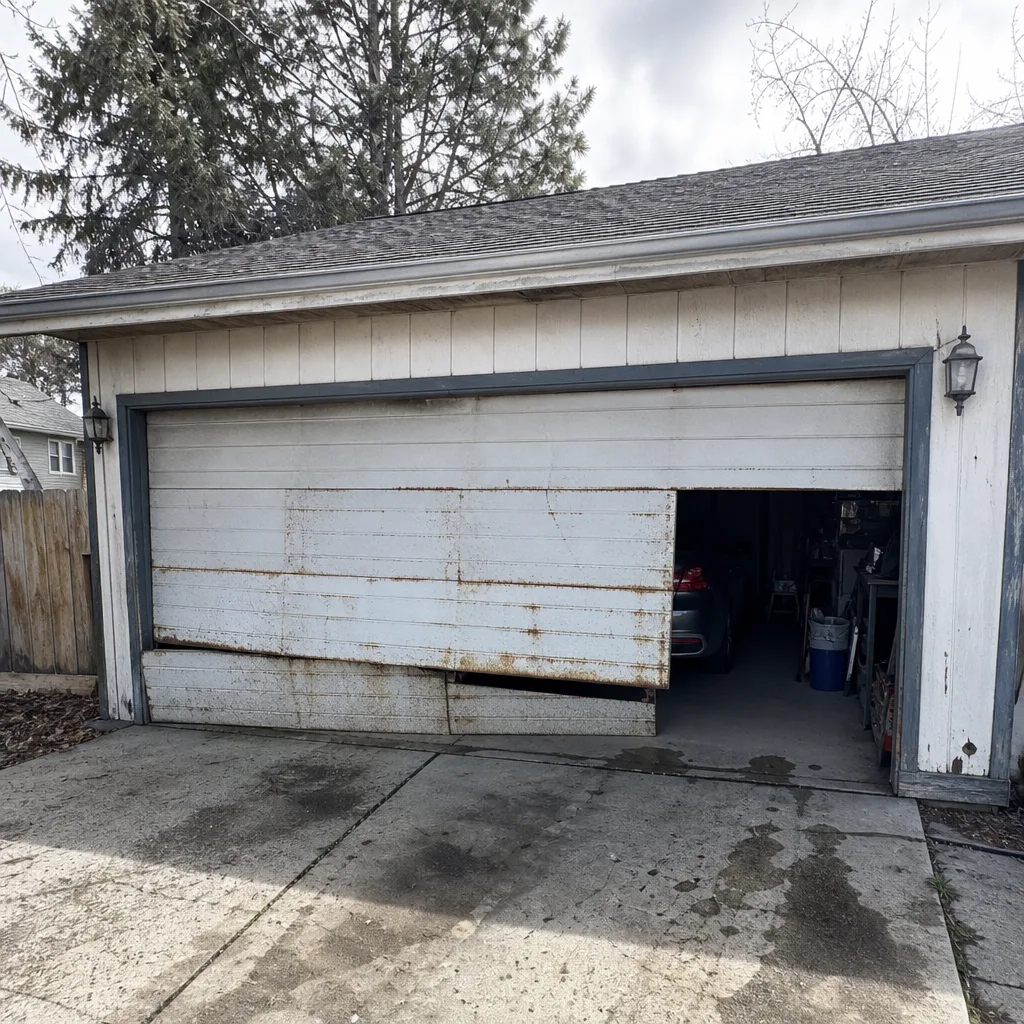 Before
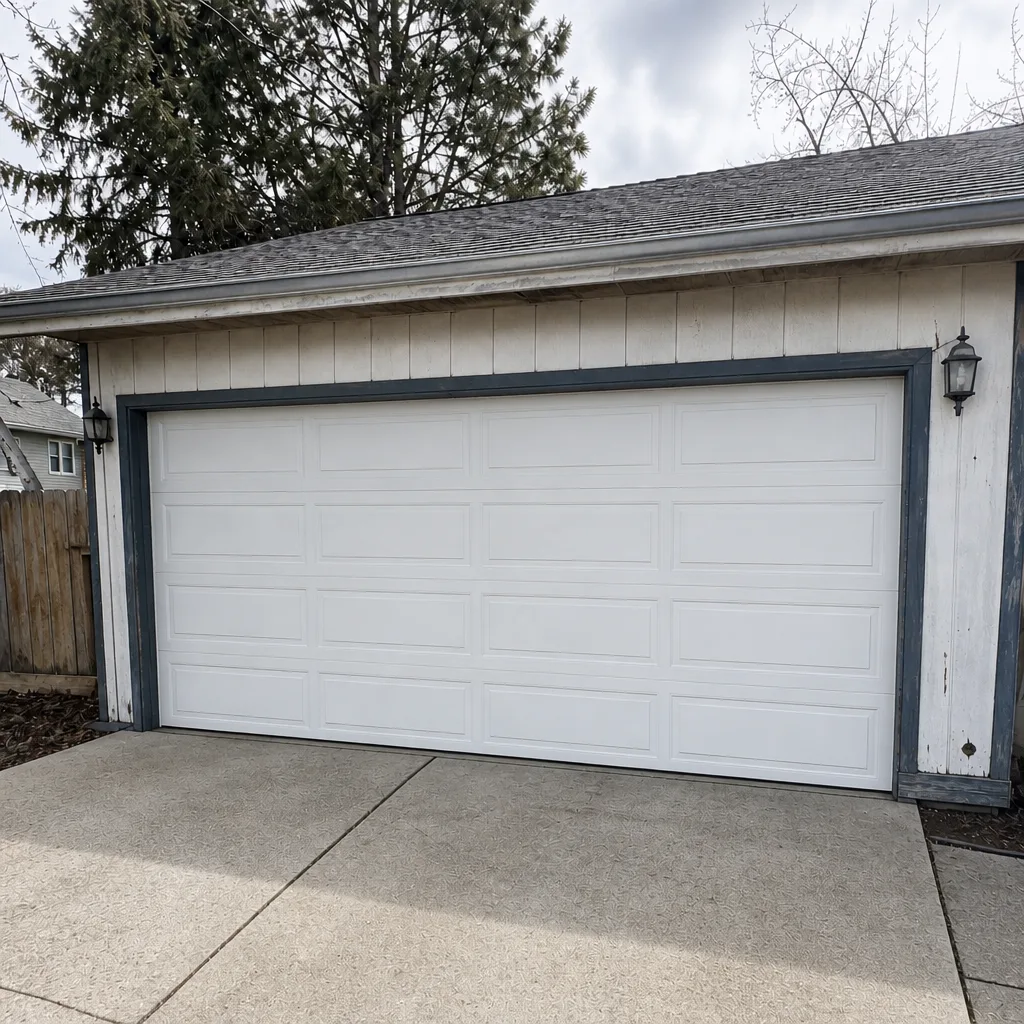 After
When to Call a Professional
Some issues are worth watching; others need a call today. Call today if the door hangs crooked, reverses every cycle, stalls mid-travel, makes a loud pop or bang, or shows any sign of a frayed or slack cable. Those are safety issues, and using the door risks injury or a harder failure. Schedule a call this week if you’re seeing grinding, jerking motion, a persistent slow start, or a visible bottom-seal gap. For sound-based problems, we can usually tell from the description whether your door needs a today call or a this-week call, and Nampa Garage Door Service offers free estimates in Nampa. Call (866) 942-7318. We answer 24/7. Fast dispatch from 7am to 7pm, Sunday through Friday.
Our technicians have up to 12 years of experience, and we work on LiftMaster, Chamberlain, Genie, Clopay, Amarr, and other brands regularly. If you’re not sure which door or opener you have, that’s fine. We’ll identify it on site and tell you what we’re seeing.
Frequently Asked Questions
A one-to-two-second delay before the door starts moving is the most common early warning sign we see. It almost always points to a weakening capacitor or a door that’s binding against the track, and both are cheap to address when caught early. Call (866) 942-7318 for a free estimate if the delay is repeating every cycle.
Most garage door repairs in Nampa run a per-job written estimate based on what’s actually wrong with the door. Because repair work depends entirely on what’s failed (a roller, a spring, a track, or an opener component), there’s no single range that covers all cases. The written estimate is quoted and agreed before any work starts, and the estimate is free. Call (866) 942-7318 for a quote.
Yes. A loud pop from the door during travel usually means a torsion spring or cable is under uneven load, and continuing to use the door risks the spring failing fully or the cable coming off its drum. Close the door and use another entry until a technician looks at it. Call (866) 942-7318. We answer 24/7.
You can lubricate hinges and rollers, but not the torsion spring or cable system. Those parts are under extreme tension and are genuinely dangerous to touch, so leave them to a trained professional. If a squeal persists after a light lubrication of accessible rollers, it’s a sign of wear that needs a technician. Call us for a free estimate.
Modern openers sometimes hide warning signs because they run more quietly and correct gently for minor issues. A smart Chamberlain or Genie opener that’s learning to work around a slow start is masking the delay. Watch the movement, not just the sound: a slow start is visible even when the opener is quiet. Call (866) 942-7318 if you’re unsure.
Four times a year, at each season change, is the right cadence for a Nampa door. Cold winters stress the opener, hot summers stress the seals and tracks, and dusty spring wind pushes sand into hinges and rollers. A five-minute walk-around each season catches most warning signs before they become cascade failures. Call (866) 942-7318 for a free estimate when anything looks off.
The Bottom Line
The garage door is the biggest moving part of a house, and it tells you about failures long before they happen through sound, movement, and small visual changes. Sort what you notice into schedule-this-week and stop-using-today, call on the first sign rather than the loudest one, and don’t touch the spring or cable system yourself. Our technicians have up to 12 years of experience and we service every major brand, so if your Nampa door is hesitating, squealing, or hanging uneven, we’ll diagnose it accurately and quote the repair upfront. Nampa Garage Door Service offers repair, opener repair, and installation, and we’re the single-trade specialists who’ll tell you straight what your door needs.
Learn more about Nampa Garage Door Service and Nampa, or call (866) 942-7318 for a free estimate. The estimate is free, the price is set by the written estimate, and nothing gets touched until you’ve agreed.
Written by the team at Nampa Garage Door Service.